Corn Tortilla Nutrition: A Scientific Guide for Health and Fitness
Unlock the benefits of corn tortilla nutrition. Our expert guide covers calories, carbs, fiber, and how they fit into a healthy, balanced diet.
Corn tortillas are a cornerstone of many diets, offering a low-calorie, high-fiber base for a wide variety of meals. A typical corn tortilla contains just 62 calories and is packed with whole-grain goodness, making it a scientifically-backed choice for weight management and overall health. This nutritional value is no accident; it is the result of an ancient preparation method that chemically enhances its nutritional profile.
Decoding the Nutritional Power of Corn Tortillas
When constructing a healthy meal, the foundation is critical. The primary carbohydrate source should be nutrient-dense and supportive of metabolic health. Corn tortillas provide precisely that, combining low-calorie density with high-quality nutrients that support fitness goals. They are far more than a simple vehicle for fillings; they are a functional food.
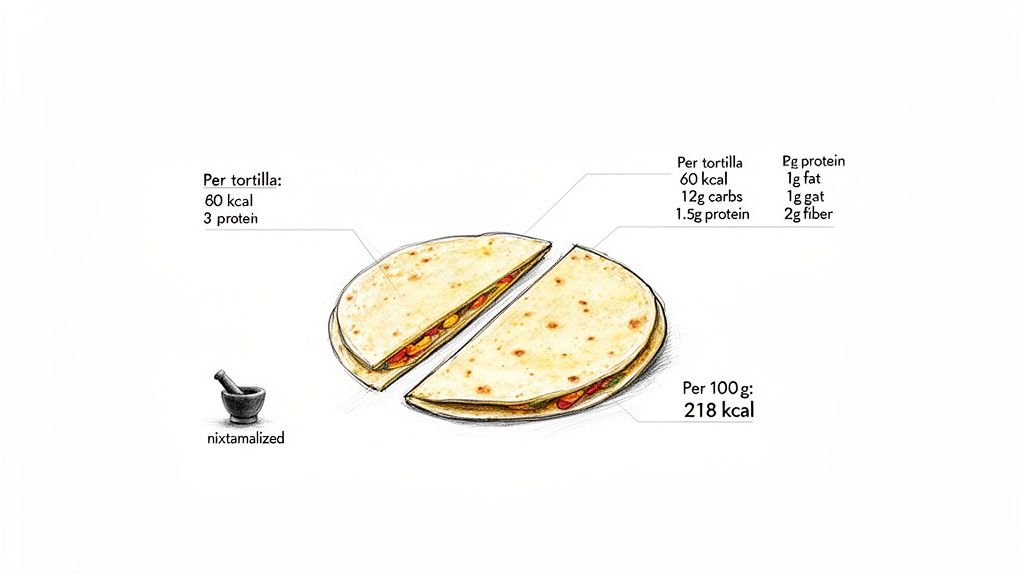
Unlike many refined grains that are stripped of their bran and germ, corn tortillas are a genuine whole-grain food. This means they retain all three parts of the grain kernel: the bran, the germ, and the endosperm. It is this complete profile that makes the corn tortilla nutrition so impressive from a scientific standpoint.
A Look at the Macronutrients
Let's examine the data. A standard 28-gram corn tortilla contains approximately 62 calories, a significant advantage for anyone monitoring energy intake without sacrificing volume. For perspective, a similarly sized flour tortilla can easily contain double that amount.
This low caloric load does not come at the expense of nutritional quality. Here is a breakdown of the key macronutrients in a single corn tortilla.
Corn Tortilla Nutrition At a Glance (per 28g tortilla)
This table provides a snapshot of the nutritional composition of a single, standard-sized corn tortilla, useful for meal planning and dietary logging.
| Nutrient | Amount | Scientific Significance |
|---|---|---|
| Calories | 62 kcal | A low-calorie base, ideal for creating a caloric deficit for weight management. |
| Carbohydrates | 12.7 g | Provides steady energy from a complex, whole-grain source. |
| Dietary Fiber | 1.8 g | Promotes satiety and supports digestive health by feeding gut microbiota. |
| Protein | 1.7 g | Contributes to daily protein needs for muscle synthesis and repair. |
| Fat | 0.8 g | Very low in fat, making it a lean choice that fits low-fat dietary protocols. |
| Sugars | 0.2 g | Negligible sugar content, preventing rapid blood glucose fluctuations. |
As the data shows, the macronutrient profile is exceptionally versatile. For individuals managing weight, the low calorie count is a clear benefit. For athletes, the complex carbohydrates offer a sustained fuel source without the glycemic crash associated with processed options. A more detailed comparison of tortilla types further illustrates their nutritional superiority.
The Fiber Advantage for Satiety and Digestion
A key benefit of corn tortillas is their fiber content. While 1.8 grams per tortilla may seem modest, this value accumulates significantly when two or three are consumed in a meal. This dietary fiber is a powerful tool for metabolic health.
Scientifically, fiber acts as a regulator within the digestive system. It increases meal viscosity, slows gastric emptying, and modulates blood sugar response, leading to a prolonged feeling of fullness that can help prevent overeating.
This state of satiety is a critical asset for anyone adhering to a specific calorie goal. It is why a meal based on corn tortillas often feels more satisfying than one built on refined grains. The fiber slows digestion, resulting in a more gradual release of energy that maintains fullness and focus for hours.
The Ancient Secret of Nixtamalization
What truly elevates the nutritional profile of the corn tortilla is a traditional preparation method called nixtamalization. This process involves soaking and cooking corn kernels in an alkaline solution, typically limewater (calcium hydroxide). This technique, originating in ancient Mesoamerican civilizations, does more than just soften the corn for grinding.
It triggers a chemical transformation in the corn, unlocking significant nutritional benefits:
- Boosts Niacin (Vitamin B3) Availability: It liberates niacin from its bound form, making it bioavailable for the body to absorb.
- Increases Calcium Content: The limewater significantly increases the calcium content of the resulting masa (corn dough).
- Reduces Mycotoxins: The alkaline solution helps neutralize harmful fungal toxins, such as aflatoxins, that can be present in corn.
This ancient scientific process transforms a simple grain into a food that is more nutritious, more digestible, and safer to consume. It is a prime example of how traditional food preparation often incorporates a deep, evidence-based understanding of nutrition.
The Hidden Micronutrients That Fuel Your Body
While macronutrients like carbs and protein get most of the attention, the real magic in our food often happens at the micronutrient level. Corn tortillas are a perfect illustration. They are packed with vitamins and minerals that function as co-factors for countless physiological processes, from immune function to energy metabolism.
Modern diets, even those perceived as healthy, can often have micronutrient gaps. Whole foods like corn tortillas are an effective way to fill these gaps without a complete dietary overhaul.
Minerals That Matter
Corn tortillas deliver a suite of essential minerals, each with a critical physiological role. Magnesium is a key multitasker, involved in over 300 enzymatic reactions, including muscle contraction, nerve function, and heart rhythm regulation. Phosphorus is a crucial component of bones and teeth and plays a vital role in how the body uses energy.
They also provide a meaningful amount of potassium, another essential electrolyte. Potassium is critical for maintaining fluid balance and healthy blood pressure, making it a key player in cardiovascular health.
Per 100 grams, corn tortillas offer 186 mg of potassium—vital for muscle function and blood pressure control—and calcium for bone health, alongside 6 grams of protein and just 45 mg sodium. A single large 44-gram corn tortilla provides 31.7 mg of magnesium (8% DV), outperforming flour tortillas which can pack 331 mg of sodium per serving. With many people not getting enough magnesium, corn tortillas are a tasty solution. Discover more about the global corn tortilla market on knowledge-sourcing.com.
This impressive mineral profile makes corn tortillas a smart addition for supporting everything from skeletal to neurological health. If you are concerned about your own dietary intake, it can be insightful to analyze for potential deficiencies. You can learn more with tools like our AI micronutrient gap analyzer.
A Source of B Vitamins and Antioxidants
Beyond minerals, corn tortillas—especially those made from yellow corn—provide valuable vitamins and antioxidants. They are a good source of B vitamins like niacin (B3), which becomes more bioavailable due to the nixtamalization process. B vitamins are essential coenzymes for converting food into cellular energy (ATP).
Yellow corn also contains antioxidants like carotenoids, which give it its color. These compounds protect cells from oxidative stress and support a robust immune system. Therefore, when you choose corn tortillas, you are not just selecting a low-calorie base; you are choosing a package of nutrients that actively fuels and protects your body.
Corn Versus Flour Tortillas: A Nutritional Showdown
The choice between corn and flour tortillas in the grocery aisle may seem minor, but from a nutritional science perspective, it is significant. It is analogous to choosing between different grades of fuel for your body; one offers a more efficient, sustained energy release that better supports long-term health objectives.
The optimal choice depends entirely on your dietary goals.
For anyone focused on weight management, corn tortillas are the unequivocal winner. They are naturally lower in calories and fat, a substantial advantage when managing daily energy balance. A standard corn tortilla has about 62 calories, whereas a flour tortilla of the same size can contain 120 calories or more. This simple substitution can save hundreds of calories per week without reducing food volume.
Nutritional Showdown: Corn vs. Flour Tortillas
To visualize the differences, let's compare the data for a single, similar-sized tortilla (approximately 28g).
| Nutrient | Corn Tortilla (per 28g) | Flour Tortilla (per 28g) | Which is Better For... |
|---|---|---|---|
| Calories | ~62 kcal | ~120 kcal | Calorie control (Corn) |
| Fat | ~0.8g | ~3g | Lower fat intake (Corn) |
| Carbs | ~13g | ~20g | Lower carb diets (Corn) |
| Fiber | ~2g | ~1g | Satiety & digestion (Corn) |
| Sodium | ~10mg | ~200mg+ | Low sodium diets (Corn) |
| Grains | Whole Grain | Refined | Sustained energy (Corn) |
The empirical data is clear. Corn tortillas consistently outperform their flour counterparts across most health-related metrics.
The Whole-Grain Advantage
Beyond the quantitative data, the type of carbohydrate is a crucial differentiating factor. Corn tortillas are typically made from whole-grain corn, retaining all the beneficial fiber, vitamins, and minerals.
As a whole grain, they have a lower glycemic index. This results in a slower, more gradual release of glucose into the bloodstream, which helps maintain stable blood sugar levels and promotes satiety. This prevents the post-meal energy crashes often associated with refined carbohydrates.
Flour tortillas, conversely, are usually made from refined white flour. The refining process removes the grain's most nutritious parts (the bran and germ), stripping away most of the fiber and micronutrients.
Consider this analogy: a corn tortilla is like a slow-burning log, providing steady, long-lasting energy. A flour tortilla is more like kindling—it provides a quick burst of energy, but you will require more fuel shortly after.
A Deeper Dive Into Nutrients
Corn tortillas also contain a surprising amount of micronutrients that are essential for optimal bodily function. They are a valuable source of minerals that support everything from muscle contraction to bone density.
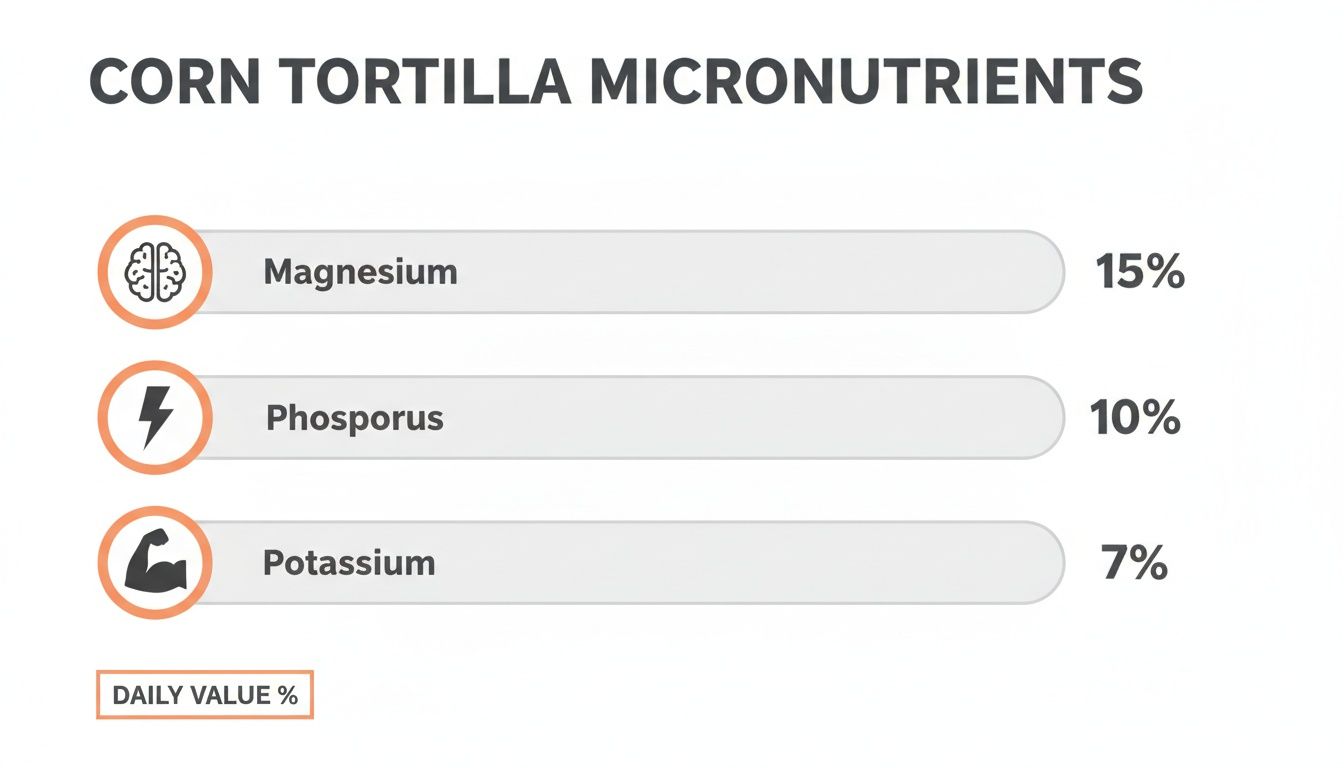
As the chart illustrates, corn tortillas can provide a significant boost of magnesium, phosphorus, and potassium. This is in stark contrast to flour tortillas, which offer far fewer of these essential minerals. Furthermore, flour tortillas often contain high levels of sodium and preservatives to maintain their texture and shelf life.
So, when you choose corn, you are not just reducing calories—you are actively increasing the nutrient density of your meal.
Making Corn Tortillas Work for Your Fitness Goals
Understanding the nutritional science of corn tortillas is the first step; applying that knowledge is where results are achieved. Whether your goal is fat loss, muscle hypertrophy, or improved metabolic health, corn tortillas can be a powerful dietary tool due to their versatility.
They serve as a blank canvas—a high-fiber, whole-grain carbohydrate source that can be built upon. They deliver the sustained energy required for physical activity without the high caloric density found in many other breads and wraps, making them a reliable and strategic choice.
For example, a satisfying lunch can be built around two corn tortillas, providing a solid carbohydrate base for under 130 calories. Post-workout, increasing the portion to three tortillas offers an ideal amount of carbohydrates to replenish glycogen stores and initiate muscle recovery.
Building a Balanced Plate
The efficacy of corn tortillas depends on their pairing with other macronutrients. To maintain satiety, energy, and progress toward your goals, a balanced combination is essential. The objective is to construct a meal that is both nutritionally complete and palatable.
Here is a simple formula for a well-structured meal:
- Lean Protein: Essential for muscle protein synthesis and satiety. Options include grilled chicken, lean ground turkey, black beans, or grilled fish.
- Healthy Fats: Crucial for hormone production and nutrient absorption. Sliced avocado or a sprinkle of cotija cheese are excellent sources.
- Fiber-Rich Vegetables: Load up on fresh salsa, shredded lettuce, diced onions, cilantro, and bell peppers to add volume, fiber, and micronutrients for minimal calories.
By combining these three components, you transform simple corn tortillas into a complete, macro-balanced meal. This approach allows for the inclusion of quality carbohydrates, protein, and fats without the feeling of dietary restriction.
Tailoring to Your Specific Goals
The application of corn tortillas should be tailored to your specific physiological goals.
For weight loss, their low-calorie, high-fiber profile is a significant advantage, helping to create filling meals that fit within a calorie deficit. For muscle gain, they provide the clean carbohydrates needed to fuel strenuous workouts and can be easily scaled up to meet higher energy demands without excessive volume.
The first step is always to determine your body's specific needs. If you are unsure of your daily targets, a personalized plan provides a clear roadmap. You can calculate your individual requirements with our free macro calculator, which helps set precise goals for protein, carbs, and fats. With this data, you can strategically use foods like corn tortillas to achieve your desired physique.
Make Tracking Your Meals Effortless with BiteKit
You now have a scientific understanding of corn tortilla nutrition and its application to your health goals. However, the practical task of logging every meal can be a significant barrier to consistency. Manually searching for ingredients and estimating portion sizes is often where dietary adherence breaks down.
Imagine simply taking a photo of your meal. Or saying, "Log three chicken tacos on corn tortillas." This is how you eliminate friction and transform tracking into a sustainable habit.
Ditch the Manual Entry
Instead of becoming mired in tedious details, modern technology can perform the heavy lifting. The goal is to integrate tracking seamlessly into your lifestyle, not to create another daily obstacle.
When you log a meal with a photo, for example, AI algorithms get to work. They instantly identify every component on your plate—the corn tortillas, the grilled chicken, the fresh salsa—and estimate the portion sizes. This eliminates guesswork and time-consuming searches.
This screenshot shows how BiteKit can deconstruct a meal from a single image.
As you can see, the application accurately identifies the tortillas, fillings, and toppings to provide an immediate calorie and macronutrient summary.
Stay on Target, Minus the Guesswork
This type of frictionless logging does more than save time; it improves the accuracy that is crucial for progress. When tracking your corn tortilla meals is this simple, you gain a clear, real-time understanding of your daily calorie and macro intake.
This is not merely about convenience. It is about maintaining full connection to your health goals while enjoying your food, making consistency feel natural rather than forced.
By removing the manual labor from the process, you can focus your energy on what truly matters: building balanced, satisfying meals and achieving your targets. It allows you to appreciate the healthy choices you are making, such as opting for nutritious corn tortillas.
If you're ready to make your tracking faster and far more accurate, see how you can simplify meal logging with BiteKit. It’s designed to help you build lasting healthy habits.
Creative and Healthy Ways to Eat Corn Tortillas
Understanding the nutritional data for corn tortillas is foundational, but the real benefit comes from translating that information into delicious, satisfying meals. It's easy to get stuck in a routine of tacos and quesadillas. However, with some creativity, these simple corn discs can form the basis of an incredible variety of healthy dishes that prevent dietary boredom.
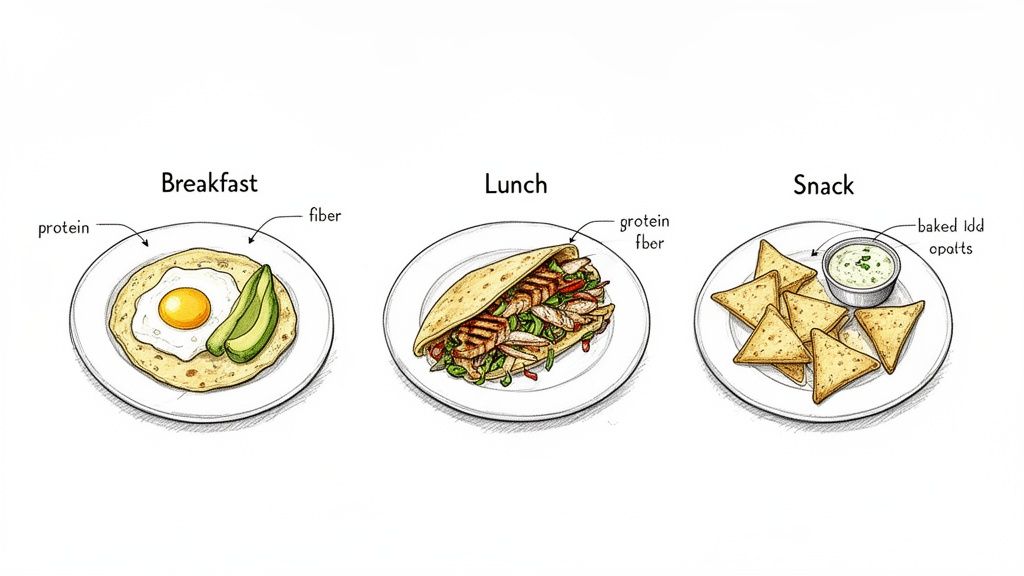
Let's move beyond the obvious applications. By thinking creatively, you can construct meals that meet your macronutrient targets and are genuinely enjoyable to eat. This is how you prove that healthy eating is not restrictive.
From Breakfast to Snacks
Corn tortillas are suitable for any meal of the day. Their subtle, earthy flavor pairs well with savory breakfast items and is equally appropriate for a light lunch or a crunchy snack. They are a true kitchen staple.
Here are a few simple ideas to inspire you:
- Crispy Breakfast Tostadas: Instead of toast, lightly bake or air-fry a corn tortilla until golden and crisp. Top it with a fried egg, sliced avocado for healthy fats, and a spoonful of fresh pico de gallo. It's a vibrant, protein-rich start to your day.
- Homemade Baked Tortilla Chips: Slice tortillas into wedges, apply a light spritz of olive oil spray, and season with sea salt and chili powder. Bake at 400°F (200°C) for 6-8 minutes for high-fiber, low-fat chips perfect for dipping in Greek yogurt or salsa.
- Quick Mini Pizzas: For a low-calorie pizza alternative, spread tomato sauce on a corn tortilla, add a sprinkle of cheese and chopped vegetables. A few minutes in an oven or toaster oven yields a perfectly portioned, satisfying meal.
Think of the corn tortilla as a blank canvas. Its simple, whole-grain goodness provides a sturdy, nutritious base that you can build on to satisfy pretty much any craving.
These are not complex recipes; they are intelligent substitutions. They allow you to enjoy comfort foods in a way that aligns with your health goals. Whether you’re preparing a quick lunch wrap or a flavorful chilaquiles bowl for brunch, corn tortillas provide satisfying texture and whole-grain energy that keeps you feeling full and fueled. This versatility is key to maintaining long-term dietary adherence.
Your Top Corn Tortilla Questions, Answered
We have reviewed the scientific data, but practical questions often arise when applying this knowledge. Here are answers to some of the most common questions about incorporating corn tortillas into a health-conscious diet.
Are Corn Tortillas Good for Weight Loss?
Yes, they can be highly effective for weight loss. From a caloric standpoint, a single corn tortilla contains only about 62 calories. This allows for the creation of voluminous, satisfying meals without exceeding your daily calorie budget.
The key factor is their fiber content. Fiber increases satiety, which can significantly reduce overall calorie intake by preventing between-meal snacking. Therefore, they are a strategic and intelligent choice for anyone focused on weight management.
How Many Corn Tortillas Should I Eat in a Day?
This depends entirely on your individual calorie and macronutrient targets. While there is no universal number, we can provide general guidelines for typical portions.
- For a light snack or a small taco: One or two tortillas are generally sufficient.
- For a main meal like lunch or dinner: Two to three tortillas provide a solid carbohydrate base for tacos or enchiladas.
- For post-workout refueling: A portion of three to four tortillas can help replenish glycogen stores effectively.
The most critical variable is what you pair them with. By loading them with lean protein and abundant vegetables, you create a balanced meal that supports your goals.
Are All Corn Tortillas Considered a Whole Grain?
Yes, this is one of their greatest nutritional advantages. Traditionally made corn tortillas are a 100% whole-grain food. The process, known as nixtamalization, begins with the entire dried corn kernel.
This ancient technique not only preserves the whole grain (bran, germ, and endosperm) but also enhances its nutritional profile by increasing the bioavailability of certain nutrients. This is why the corn tortilla nutrition profile is superior to that of refined flour products—you are consuming more fiber and micronutrients that provide sustained, usable energy.