Simple Steps: How to Start Eating Better in 2026
Discover how to start eating better with this practical guide. Get simple steps, meal ideas, and tools to build healthy habits that last.
You probably don’t need more nutrition rules. You need a way to make better choices on a Tuesday when lunch is rushed, dinner is late, and you’re too tired to “start fresh” again tomorrow.
That’s where most advice breaks down. It gives you perfect grocery lists, ideal meal prep routines, and strict plans built for people with unlimited time and attention. Real life doesn’t work that way. Learning how to start eating better is less about finding the perfect diet and more about building a repeatable system you can stick with when life gets messy.
Why 'Eating Better' Feels So Hard (And a Simpler Way Forward)
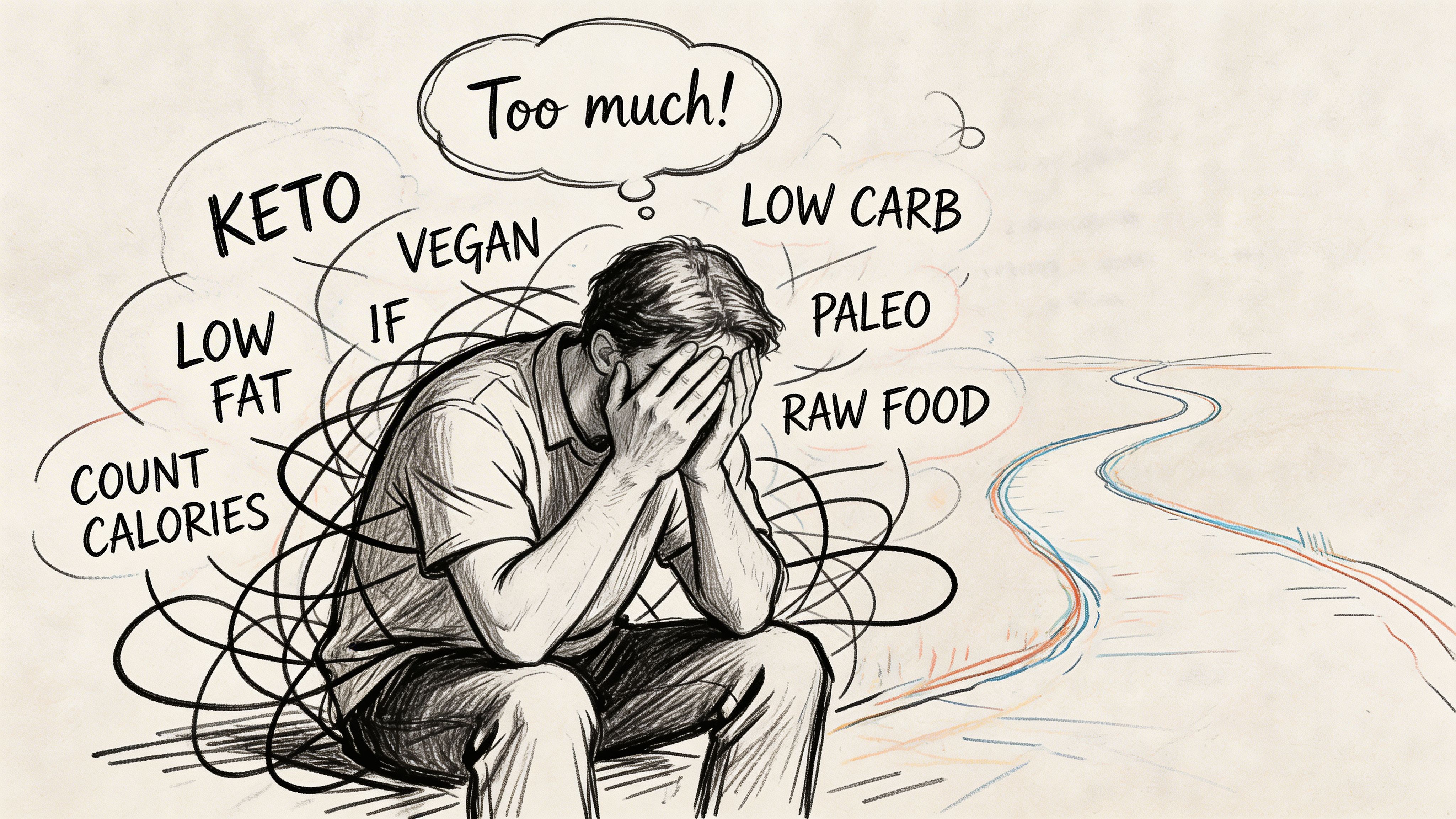
Individuals aiming to improve their eating habits aren’t lazy or uninformed. They’re overloaded.
One day carbs are the problem. The next day it’s seed oils, snacking, late dinners, gluten, ultra-processed food, meal timing, or “clean eating.” If you’re already busy, that kind of noise makes it hard to know what matters.
Why this matters beyond weight
Poor eating habits aren’t a small lifestyle issue. They’re a major health issue. Poor eating habits are a primary contributor to a public health crisis, leading to nearly 39 million workdays lost annually to obesity-related illnesses, and the World Health Organization emphasizes that at least 80% of heart disease, stroke, and Type 2 diabetes cases could be prevented through better eating (Kansas State University summary).
That doesn’t mean every meal has to be perfect. It means food choices add up, and small improvements matter.
Better eating isn’t punishment. It’s one of the most practical forms of prevention many people can act on every day.
The simpler way forward
The people who make progress usually don’t win by being more disciplined than everyone else. They win by making the basics easier.
Start with a short list:
- Eat more foods that look like food. Fruit, vegetables, proteins, whole grains, yogurt, beans, nuts.
- Make one meal per day more balanced. Not every meal. One.
- Reduce decisions. Repeating a few solid breakfasts and lunches works better than chasing novelty.
- Track just enough to notice patterns. Awareness beats guessing.
If you’ve been waiting for motivation, don’t. Build a setup that works even when motivation is low. That’s the difference between a plan that sounds healthy and one you can live with.
Set Your Mindset Before You Set the Table
Before changing what’s on your plate, change the standard you’re using to judge yourself.
A lot of people start eating better with the wrong mindset. They aim for a clean slate, a strict reset, or a perfect week. Then one takeout meal or one stressful afternoon turns into, “I blew it.”
That pattern is common for a reason. Despite 77% of Americans wanting healthier diets, only about 20% rate their diets as very healthy. Barriers like cost, stress, and lack of time are significant, and home-cooked meals strongly correlate with better self-perceived diet quality (Escoffier summary).
Drop all-or-nothing thinking
If your standard is perfection, consistency won’t last.
A better mindset sounds like this:
- One rough meal doesn’t undo progress. It’s just one meal.
- A better choice still counts if it isn’t ideal. A grocery store wrap and fruit can be a win.
- You’re building a pattern, not passing a test.
Food decisions happen under pressure. You won’t always have time to cook, measure, or plan. If you only count “ideal” choices as success, you’ll miss the value of solid, realistic ones.
Set smaller goals than you think you need
Many individuals set outcome goals first. Lose weight. Eat clean. Cut sugar. Stop snacking.
Those goals aren’t useless, but they’re hard to act on in the moment. Behavior goals work better because they tell you what to do today.
Try goals like:
- At dinner, add one vegetable
- Drink water with lunch
- Eat protein at breakfast
- Cook at home one more time this week
- Write down what you ate before bed
Those are small enough to repeat. Repetition is what creates trust in yourself.
Practical rule: Make your first nutrition goal so easy that you can do it on a rushed day, not just on a motivated one.
Look for wins beyond the scale
The scale matters for some goals, but it shouldn’t be your only feedback.
When people start eating better, they often notice other changes first:
- steadier energy
- fewer random cravings
- better fullness after meals
- less evening grazing
- improved focus during work
- a more predictable routine
Those are real signs of progress. They tell you the process is working, even before bigger outcomes show up.
Use your environment to support your mindset
Mindset isn’t just positive thinking. It’s setup.
If your kitchen, schedule, and workday make better eating harder, motivation has to do too much work. Put useful foods where you can see them. Keep easy staples around. Make the better option the obvious option.
That’s often what separates people who “know what to do” from people who do it.
Build Your Foundation with Simple Food Swaps
You don’t need a dramatic overhaul to begin. You need upgrades you’ll repeat.
That’s why I usually start with swaps, not restrictions. Swaps lower friction. They let you improve meal quality without turning eating into a constant fight with yourself.
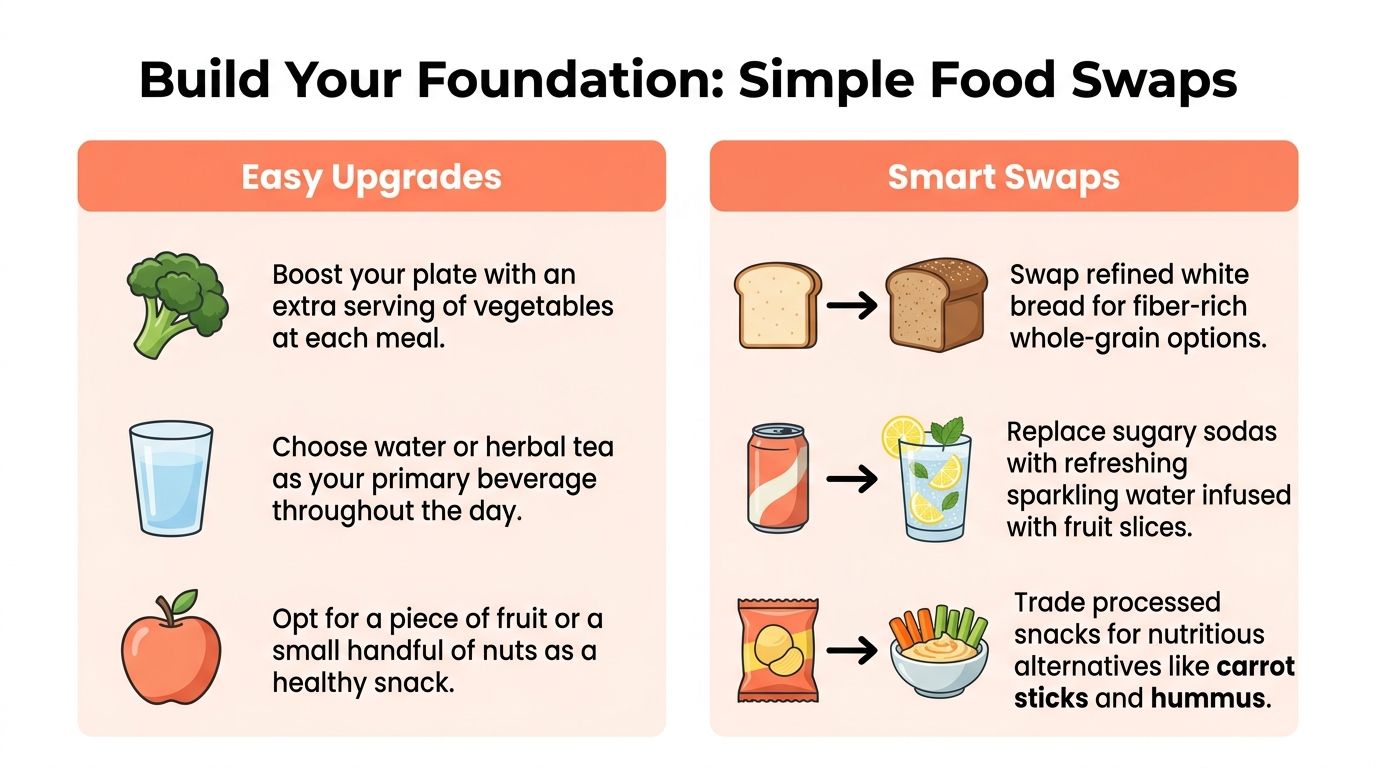
Easy upgrades that raise meal quality
A strong meal usually includes a satisfying protein source, some fiber-rich carbohydrate, and produce. You don’t need to measure every bite to improve that pattern.
Try these simple upgrades:
- Breakfast gets protein. Eggs, Greek yogurt, cottage cheese, or a protein smoothie can make breakfast more filling than toast alone. If eggs are part of your routine, this guide on the benefits of pasture-raised eggs is a useful read for food quality considerations.
- Lunch gets produce by default. Add fruit, a side salad, cut vegetables, or soup.
- Dinner gets one extra vegetable. Frozen vegetables count. Bagged salad counts.
- Snacks get substance. Pair fruit with yogurt, nuts, or cheese instead of relying only on crackers or sweets.
If you want ideas based on what you already eat, BiteKit’s food swap suggester can help you make realistic substitutions instead of random “healthy” ones you won’t stick with.
Smart swaps that don’t feel like dieting
Some swaps work because they preserve convenience and satisfaction:
- Sugary drinks to water, sparkling water, or unsweetened tea
- White bread to whole grain bread
- Chips as a default snack to fruit and nuts, or carrots with hummus
- Takeout sides of fries to rice, beans, salad, or extra vegetables
- Dessert every night to dessert some nights
The key is not to turn every food into a nutrition project. Keep the meals you enjoy. Improve the parts that are doing the least for you.
Here’s a useful visual summary before you start changing your usual routine:
What works better than a strict reset
There’s a reason methodical change beats dramatic change. The Diabetes Prevention Program achieved a sustained 7% weight loss by having participants aim for a healthful eating pattern, and Harvard notes that people who monitor their intake are more successful at achieving and maintaining their goals (Harvard Health).
That matters because better eating usually fails in the same place. Not knowledge. Follow-through.
A plate with grilled chicken, rice, and vegetables done consistently will beat a perfect “clean eating” plan you abandon in ten days. Build from your current habits. Upgrade what’s already there.
A Sample Day of Eating Well Without the Stress
Eating better gets easier when you can see what it looks like in real life.
Not a detox. Not a seven-day challenge. Just a normal day built around foods that are easy to find, easy to assemble, and filling enough that you’re not hunting for snacks all afternoon.
Sample Beginner's Meal Plan
| Meal | Main Component | Add-in/Side |
|---|---|---|
| Breakfast | Greek yogurt or eggs with whole grain toast | Berries or a banana |
| Morning snack | Apple or another fruit | Handful of nuts or string cheese |
| Lunch | Chicken, tuna, tofu, or bean bowl | Rice or potatoes plus mixed vegetables |
| Afternoon snack | Cottage cheese, yogurt, or hummus | Carrots, cucumbers, or crackers |
| Dinner | Salmon, chicken, lean beef, tofu, or lentils | Roasted vegetables and a grain or potato |
How this day works
Breakfast is simple on purpose. If mornings are chaotic, you need a repeatable default. Greek yogurt with fruit works. Eggs and toast work. Oatmeal with yogurt on the side works too.
Lunch should carry more weight than many give it. A balanced lunch helps prevent the late afternoon crash that leads to random snacking and overeating at dinner.
Dinner doesn’t need to be fancy. Think in parts: protein, carbohydrate, vegetables. That framework is flexible enough for home cooking, leftovers, or a quick grocery pickup meal.
A useful meal isn’t the one with the most nutrition buzzwords. It’s the one you can make again without stress.
Adapt it to your goal
If your focus is fat loss, tighten up liquid calories and be more deliberate with snacks.
If your focus is performance, recovery, or endurance training, you’ll likely need a more intentional plan around workout fuel and total intake. Runners and other active people may find this ultimate nutrition plan for athletes useful as a broader framework.
If your focus is getting started, don’t over-customize yet. A boring but reliable structure is often the fastest way to feel better.
Address Common Diet Pitfalls and Stay on Track
Most setbacks don’t happen because someone forgot vegetables are healthy.
They happen after a stressful meeting, during a long drive home, while standing in the kitchen picking at food, or when snacks are visible and convenient. That’s why the idea that people fail because they “just need more knowledge” misses the underlying problem.
A 2023 study in Appetite found that 68% of failed diet attempts stem from cue-driven overeating, and tracking food cues shows that up to 40% of daily calories can come from non-hunger eating (Harvard Health summary).
When cravings hit, pause before you react
A craving isn’t always physical hunger.
Sometimes it’s stress. Sometimes it’s boredom. Sometimes it’s habit. The goal isn’t to become immune to cravings. It’s to get better at identifying what’s driving them.
Try this quick check:
- Ask what you’re feeling. Hungry, tired, stressed, irritated, distracted?
- Ask what would help. Food, water, a break, a walk, a proper meal?
- Delay for a few minutes if needed. Not to white-knuckle it, but to create choice.
That short pause often changes the outcome. If you are hungry, you’ll still eat. But you’re more likely to choose a real meal or a satisfying snack instead of grazing through whatever is nearby.
Fix the environment before blaming willpower
If highly snackable food is visible, open, and easy to grab, you’ll eat more of it. That’s not a character flaw. It’s normal behavior.
Adjust the setup:
- Keep ready-to-eat basics visible. Fruit bowl, yogurt, pre-cut vegetables.
- Move less helpful foods out of sight. Not banned. Just less automatic.
- Don’t arrive at dinner starving. A planned snack can prevent the “eat everything fast” response.
- Build a default restaurant order. Decide before you’re hungry.
If eating out is common, reading labels and menu details becomes more useful than memorizing food rules. This guide on how to read nutrition labels can make packaged foods and restaurant choices less confusing.
Stop turning one off-plan meal into a lost weekend
This is one of the most common diet traps.
You overeat at lunch, then decide the day is ruined. Dinner gets worse. The next morning becomes “I’ll restart Monday.” That thinking causes more damage than the original meal ever did.
Reset move: Return to your next normal meal. Don’t compensate with extreme restriction. Don’t punish yourself with extra cardio. Just get back to your usual structure.
People stay on track when they recover quickly, not when they avoid every imperfect meal.
Track Your Meals Effortlessly with BiteKit
The biggest failure point in better eating isn’t usually knowing what to do. It’s staying aware of what you’re doing.
That’s where tracking helps. Not because you need to obsess over every gram forever, but because memory is unreliable. Many individuals underestimate portions, forget snacks, or lose track once meals get mixed, homemade, or rushed.
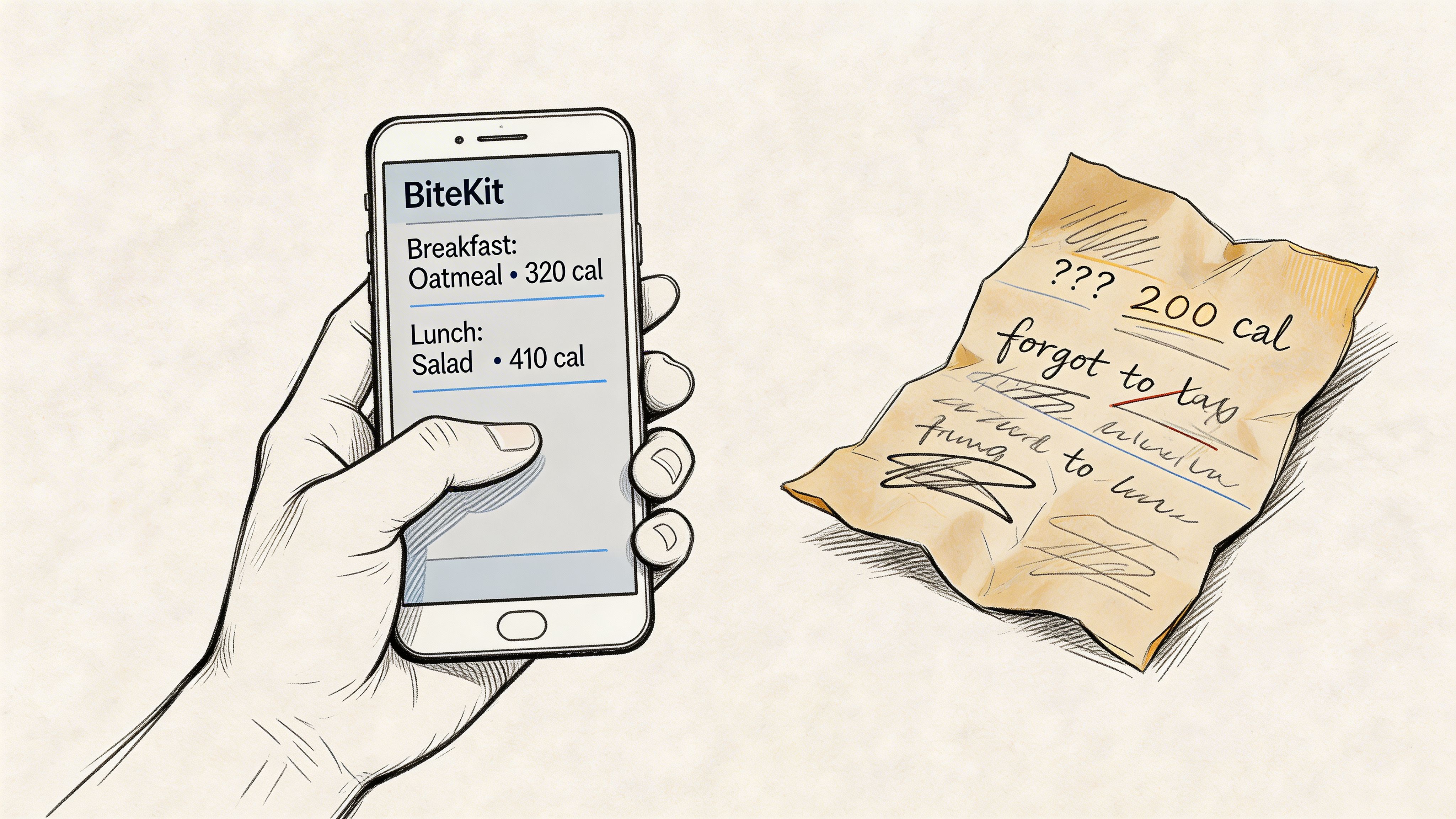
Why traditional logging breaks down
Manual logging sounds good in theory. Then real life shows up.
Homemade chili, a rice bowl, pasta with chicken and vegetables, or leftovers from last night don’t fit neatly into barcode scanning. Searching giant databases for every ingredient gets old fast. That’s one reason manual tracking apps suffer up to 70% abandonment due to the hassle of logging complex mixed meals, while AI-powered voice and photo logging has shown 45% better adherence in athletes, alongside a 150% surge in downloads. That matters because 62% of meals are homemade mixed plates (Hopkins-based summary).
What makes low-friction tracking different
BiteKit is useful because it removes the most tedious parts of logging.
Instead of searching and stitching together foods manually, you can:
- Take a photo of a mixed meal
- Speak your meal out loud such as “chicken, rice, and broccoli”
- Type natural language instead of database keywords
That’s a better fit for how people eat. Especially if you cook at home, eat leftovers, split meals, or don’t want to spend extra time building every plate inside an app.
BiteKit also keeps things simple on the review side. You can see calories and macros update against your daily targets, then look back through your meal history and weekly patterns without turning the process into homework.
Why consistency matters more than perfect accuracy
The point of tracking isn’t lab-level precision. It’s awareness you can use.
If you log consistently, patterns become obvious. Maybe breakfast is too small and you overeat at night. Maybe restaurant lunches push your calories up more than expected. Maybe protein is lower than you thought. Those insights are hard to get from memory alone.
For people who want a faster setup, this overview of an easy food tracking app gives a better sense of how low-effort logging can support daily consistency.
The best tracking method is the one you’ll still use after the first week.
BiteKit’s privacy-first approach also matters. There are no accounts, no cloud sync, and data stays stored locally on your device. For people who want nutrition support without turning their meals into a social platform, that’s a real advantage.
Your Journey to Better Eating Starts Now
Starting to eat better doesn’t require a cleanse, a new identity, or a perfect meal plan.
It usually starts smaller. A better breakfast. A more balanced lunch. One less drink that adds calories without helping fullness. One moment of awareness before stress eating. One week of seeing what you eat instead of guessing.
That’s the effective path for how to start eating better. Keep it practical. Build around your schedule. Expect imperfect days. Improve the pattern anyway.
The people who succeed don’t avoid every obstacle. They make the process easier to repeat.
If you want one next step, pick only one:
- add a protein source to breakfast
- include a fruit or vegetable with lunch
- make dinner using the simple protein-carb-vegetable structure
- track your meals for a few days so you can see your pattern
If tracking has always been the point where you quit, use a tool that removes the friction. BiteKit helps you log meals with photos, voice, or simple text in seconds, which makes consistency much more realistic for busy people.
Start there. One small action, repeated often, is what changes how you eat.