AI Allergy & Sensitivity Checker
Describe any meal or paste an ingredient list to instantly check for hidden allergens. Detect gluten, dairy, nuts, soy, shellfish, eggs, and more - including non-obvious sources that are easy to miss.
Important: This tool is for informational purposes only and should not replace medical advice. If you have severe allergies or anaphylaxis risk, always consult with your allergist and verify ingredients directly with food manufacturers or restaurants.
Describe a meal, paste a recipe, or list ingredients to check for allergens
Try an example:
Select which allergens you want to screen for
Why Check for Hidden Allergens?
Food allergies affect over 32 million Americans, and allergic reactions send someone to the emergency room every 3 minutes. Many of these reactions are caused by hidden allergens - ingredients that contain allergens in non-obvious ways. Understanding where allergens hide is critical for staying safe.
Hidden Ingredients
Many foods contain allergens you wouldn't expect. Soy sauce has wheat, Caesar dressing has fish, and many breads contain dairy. Our AI knows these hidden sources.
Cross-Contamination
Even if a dish doesn't contain an allergen as an ingredient, it may have been prepared on shared surfaces or in shared fryers with allergenic foods.
Derivative Ingredients
Allergens appear under many names. Casein and whey are dairy. Semolina and spelt are wheat. Our tool recognizes these derivative names and flags them.
Restaurant Dining
Eating out is one of the highest-risk situations for food allergies. Use this tool to pre-screen menu items and know what questions to ask your server.
The Top 9 Food Allergens
These nine allergens account for over 90% of all food allergy reactions. The FDA requires food labels to clearly identify these allergens as of 2023.
Wheat
Bread, pasta, flour, many sauces
Milk
Cheese, butter, cream, whey
Eggs
Baked goods, pasta, mayonnaise
Peanuts
Sauces, baked goods, candy
Tree Nuts
Almonds, cashews, walnuts, pecans
Fish
Worcestershire, Caesar dressing
Shellfish
Shrimp, crab, lobster, crawfish
Soy
Tofu, soy sauce, soy lecithin
Sesame
Tahini, hummus, baked goods
Common Hidden Allergen Sources
These everyday foods and ingredients contain allergens that many people don't realize. Being aware of these hidden sources is the first step to eating safely.
| Food / Ingredient | Hidden Allergen | Why |
|---|---|---|
| Soy Sauce | Wheat | Most soy sauce is brewed with wheat |
| Caesar Dressing | Fish | Traditional recipe contains anchovies |
| Worcestershire Sauce | Fish | Made with fermented anchovies |
| Chocolate | Dairy Soy | Often contains milk solids and soy lecithin |
| Imitation Crab (Surimi) | Wheat Eggs | Made with wheat starch and sometimes egg whites |
| Marzipan | Tree Nuts | Made primarily from almonds |
| Pesto | Tree Nuts Dairy | Contains pine nuts and parmesan cheese |
| Hummus | Sesame | Contains tahini (ground sesame seeds) |
When to Use This Tool
Our allergen checker is designed for several common scenarios where hidden allergens pose the greatest risk.
Grocery Shopping
Paste an ingredient list from a product label to quickly check if it contains any of your allergens before purchasing.
Dining Out
Describe a restaurant menu item to identify potential allergens before ordering. Know what questions to ask your server.
Trying New Recipes
Check a recipe's ingredient list before cooking. Get safe alternatives for any allergenic ingredients so you can adapt the recipe.
Cooking for Others
Hosting guests with food allergies? Check your planned meals to ensure they're safe for everyone at the table.
Frequently Asked Questions
How does the AI allergy checker work?
Our AI uses advanced language models trained on comprehensive food databases and allergen information. Simply describe a meal or paste an ingredient list, select which allergens to check for, and the AI instantly analyzes every ingredient - including hidden and non-obvious sources.
What allergens can this tool detect?
The tool checks for all major food allergens: Gluten, Dairy, Tree Nuts, Peanuts, Soy, Shellfish, Eggs, Fish, Sesame, and Wheat. These cover the top allergens recognized by the FDA and international food safety authorities.
What are hidden allergen sources?
Hidden allergens are ingredients that contain allergens in non-obvious ways. For example, Caesar dressing contains anchovies (fish), soy sauce contains wheat (gluten), and many chocolates contain milk and soy lecithin. Our tool is trained to identify these hidden sources.
Can this tool replace reading food labels?
No. This tool is a helpful supplement for identifying potential allergens, but it should never replace reading food labels, asking restaurant staff, or consulting with your allergist. Always verify ingredients through official sources for severe allergies.
What is cross-contamination risk?
Cross-contamination occurs when allergen-free food comes into contact with an allergen during preparation. For example, foods fried in shared oil with breaded items may contain gluten traces. Our tool flags these risks based on typical preparation methods.
How accurate is the allergen detection?
The AI uses comprehensive food allergen databases and knowledge of common preparation methods for highly informed analysis. However, exact ingredients vary by brand and restaurant. The tool provides confidence levels (definite, likely, possible) to help you assess risk.
iPhone app · 3-day free trial
You're likely eating 500 calories more than you think
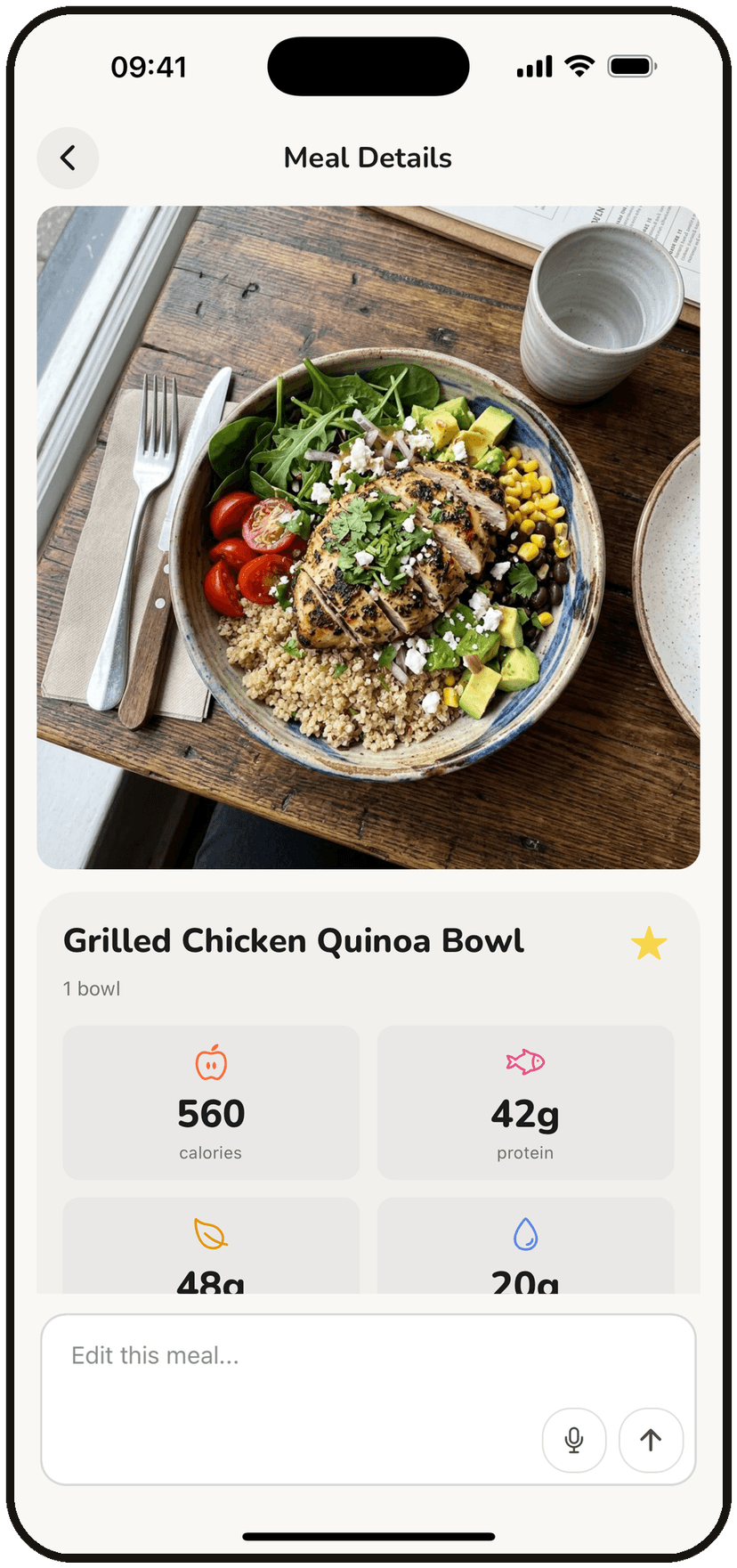
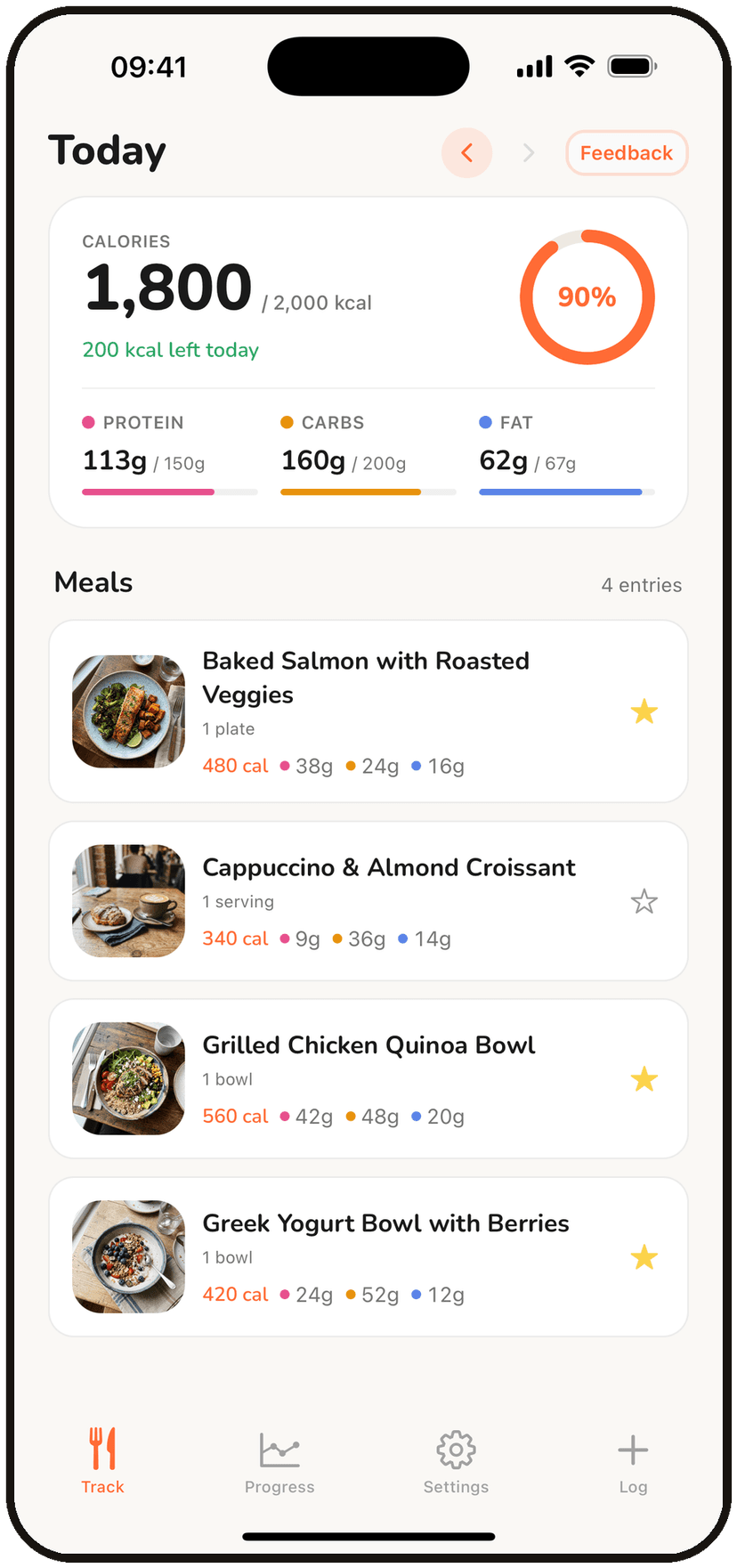
Portion guesses add up fast. BiteKit's AI estimates what's actually on your plate — oils, sides and all — so your log stays close to what you really ate.
- Log meals by photo, voice, or text
- Calories & macros estimated in seconds
- Syncs with Apple Health and Apple Watch
Free download · 3-day free trial, cancel anytime.
Scan with your iPhone camera