AI Cuisine Converter
Convert any recipe from one cuisine to another while maintaining similar nutrition. Italian to Japanese, Mexican to Indian, Thai to Mediterranean — transform your favorite dishes into new culinary experiences.
Quick starts:
Choose what matters most: authentic target cuisine flavor, matching the original nutrition, or keeping it simple
Why Convert Recipes Across Cuisines?
Cuisine conversion is one of the most effective ways to add variety to your diet without starting from scratch. Instead of learning entirely new recipes, you adapt familiar dishes to new flavor profiles, keeping the structure you know while exploring the world's culinary traditions.
- Break food monotony: Eating the same dishes on repeat leads to diet fatigue. Converting a chicken pasta into a Japanese donburi bowl gives you a completely different eating experience with similar macros
- Expand your palate: Learning to cook in different cuisine styles introduces you to new ingredients, techniques, and flavor combinations that make healthy eating more enjoyable
- Use local ingredients: When you move or travel, converting recipes to local cuisine styles helps you use what's fresh and available rather than hunting for imported ingredients
- Social cooking flexibility: When cooking for friends from different backgrounds, you can adapt your go-to recipes to match their familiar flavors while keeping your nutrition targets
Ingredient Substitutions Across Cultures
Every cuisine has its foundational ingredients — the building blocks that define its character. Understanding how these map across cultures is the key to successful recipe conversion.
Proteins
Chicken is universal, but preparation changes everything. Italian poaches or grills it, Japanese makes katsu or teriyaki, Indian creates tikka, and Mexican shreds it for tacos. Tofu replaces meat seamlessly in Asian cuisines, while legumes serve that role in Indian and Middle Eastern cooking.
Starches & Grains
Italian pasta maps to Japanese udon or soba, Chinese lo mein, or Korean japchae. Mexican tortillas correspond to Indian naan, Middle Eastern pita, or Chinese scallion pancakes. Rice is shared across Asian cuisines but with different varieties and preparations.
Fats & Oils
Olive oil defines Mediterranean and Italian cooking, while sesame oil is essential to East Asian cuisines. Indian cooking uses ghee, coconut oil dominates Thai and South Indian food, and French cuisine relies on butter. All provide similar calories but completely different flavor profiles.
Umami & Seasoning
Parmesan cheese in Italian cuisine maps to soy sauce in Japanese, fish sauce in Thai, miso in Korean, and nutritional yeast in vegan cooking. These umami-rich ingredients are nearly calorie-free swaps that completely change a dish's character.
Maintaining Nutrition Across Cuisines
The biggest challenge in cuisine conversion is keeping your macros on track. Different cuisines have different default calorie densities and macronutrient ratios. Here are the strategies the AI uses to balance nutrition with authenticity.
Portion Adjustment
When swapping a lower-protein ingredient for a higher-protein one (or vice versa), the AI adjusts portions to match the original macro targets. For example, replacing 6 oz chicken (35g protein) with tofu requires roughly 10 oz of firm tofu to match the protein content.
Sauce & Dressing Swaps
Sauces are often where the biggest calorie differences hide. Cream-based Italian sauces (Alfredo at ~400 cal) can be converted to lighter Japanese dashi-based sauces (~50 cal) or Indian tomato-based gravies (~150 cal). The AI accounts for these differences in the total nutrition comparison.
Cooking Method Impact
Deep-frying (adds ~100-200 cal) vs. stir-frying (adds ~50-80 cal) vs. steaming (adds ~0 cal) significantly affects the final nutrition. The AI selects cooking methods authentic to the target cuisine while considering their impact on your macro targets.
Zero-Calorie Flavor Boosters
Fresh herbs, spices, citrus zest, vinegar, mustard, and fermented seasonings add massive flavor at negligible calories. These are the primary tools for changing a dish's cultural identity without affecting its nutrition profile.
Popular Cuisine Conversions
Here are some of the most popular and successful recipe conversions that maintain excellent nutrition balance while delivering authentic target cuisine flavors.
Italian → Japanese
Pasta carbonara becomes a rice bowl with egg, dashi broth, and crispy pork belly. The umami from parmesan translates perfectly to soy sauce and bonito flakes. Similar protein and fat, different carb source.
Mexican → Indian
Beef burrito becomes a keema-stuffed paratha. Cumin and chili carry over naturally, tortilla maps to flatbread, and beans translate to dal. These two cuisines share surprising structural similarities.
American → Mediterranean
A classic burger becomes a lamb kofta pita with tzatziki, tomato, and fresh herbs. Swap the bun for pita, ketchup for tahini sauce, and add more vegetables. Often results in lower calories and higher fiber.
French → Korean
Coq au vin becomes dakgalbi (spicy chicken stir-fry). Wine-braised becomes gochujang-marinated, root vegetables become rice cakes and cabbage. Bold flavors in both cuisines make this a surprisingly natural conversion.
Frequently Asked Questions
How does the AI Cuisine Converter work?
The AI analyzes your original recipe to identify its core components — protein sources, carb bases, fats, sauces, and seasonings. It then maps each component to its closest equivalent in the target cuisine, generating a complete recipe with ingredients, instructions, a nutrition comparison, and cultural context explaining the adaptation choices.
Does the converted recipe maintain the same nutrition?
It depends on your priority setting. When you choose "Maintain Nutrition," the AI keeps calories and macros within 15% of the original. When you choose "Maintain Flavor," the AI focuses on authenticity and the nutrition may vary more. The side-by-side nutrition comparison always shows you exactly how the two recipes compare.
What cuisines can I convert between?
The tool supports 12 cuisine options: Italian, Mexican, Chinese, Japanese, Indian, Thai, Mediterranean, American, French, Korean, Middle Eastern, and Other. You can convert between any two different cuisines for virtually unlimited recipe possibilities.
Can I convert recipes with dietary restrictions?
Yes. The tool supports vegetarian, vegan, gluten-free, dairy-free, nut-free, halal, and kosher restrictions. You can select multiple restrictions simultaneously, and the converted recipe will comply with all of them while still creating an authentic target cuisine experience.
Why convert recipes instead of finding new ones?
Converting recipes you already know has several advantages: you understand the base structure, the portion sizes are familiar, and you can maintain your nutrition targets more easily. It's also a fantastic way to learn about different cuisines — understanding how ingredients map across cultures teaches you the fundamentals of global cooking.
How accurate are the ingredient substitutions?
The AI draws from extensive knowledge of culinary traditions and USDA nutrition data. Each substitution includes a detailed reason explaining why it was chosen, considering both flavor authenticity and nutritional equivalence. The cultural context section provides additional insight into how the target cuisine traditionally approaches similar dishes.
iPhone app · 3-day free trial
You're likely eating 500 calories more than you think
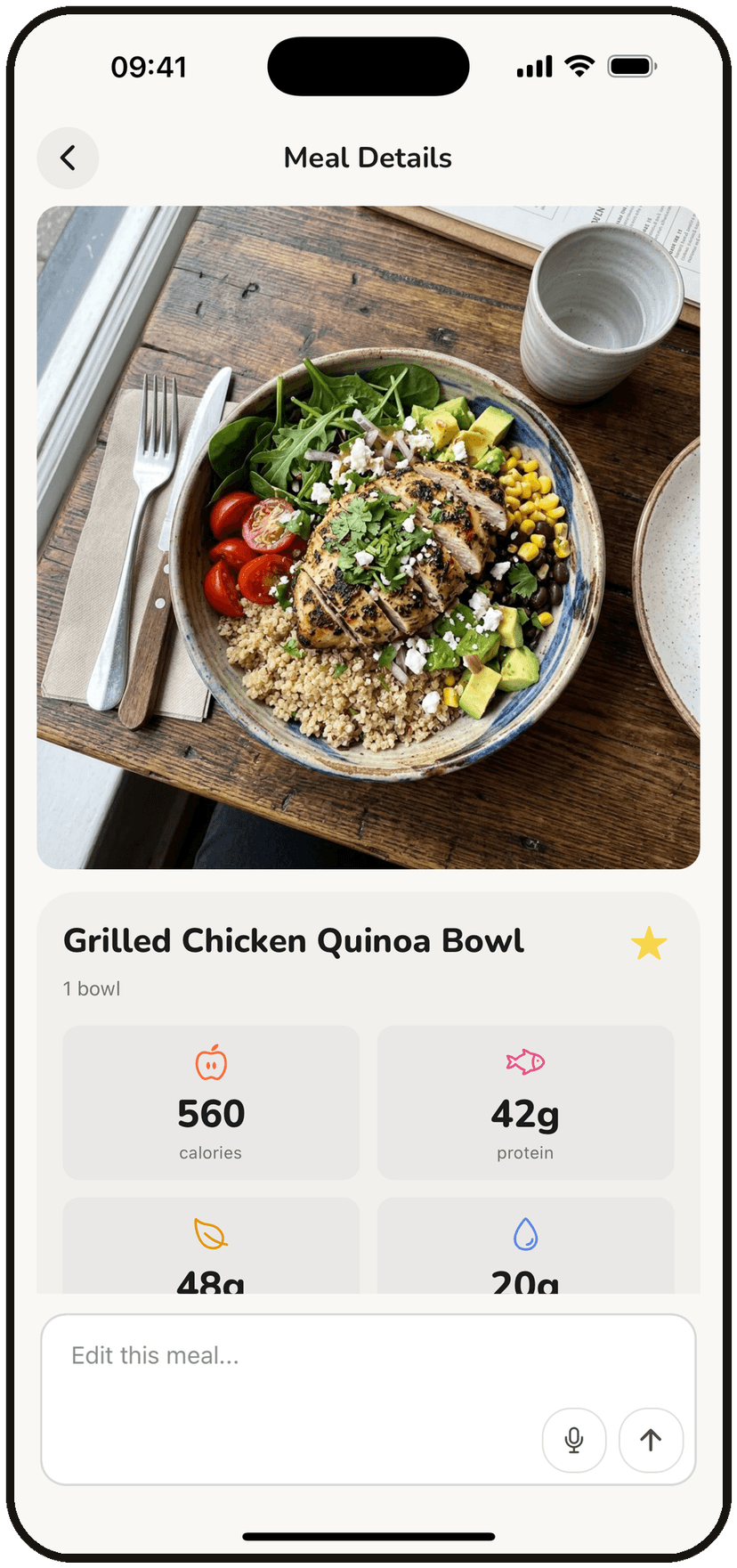
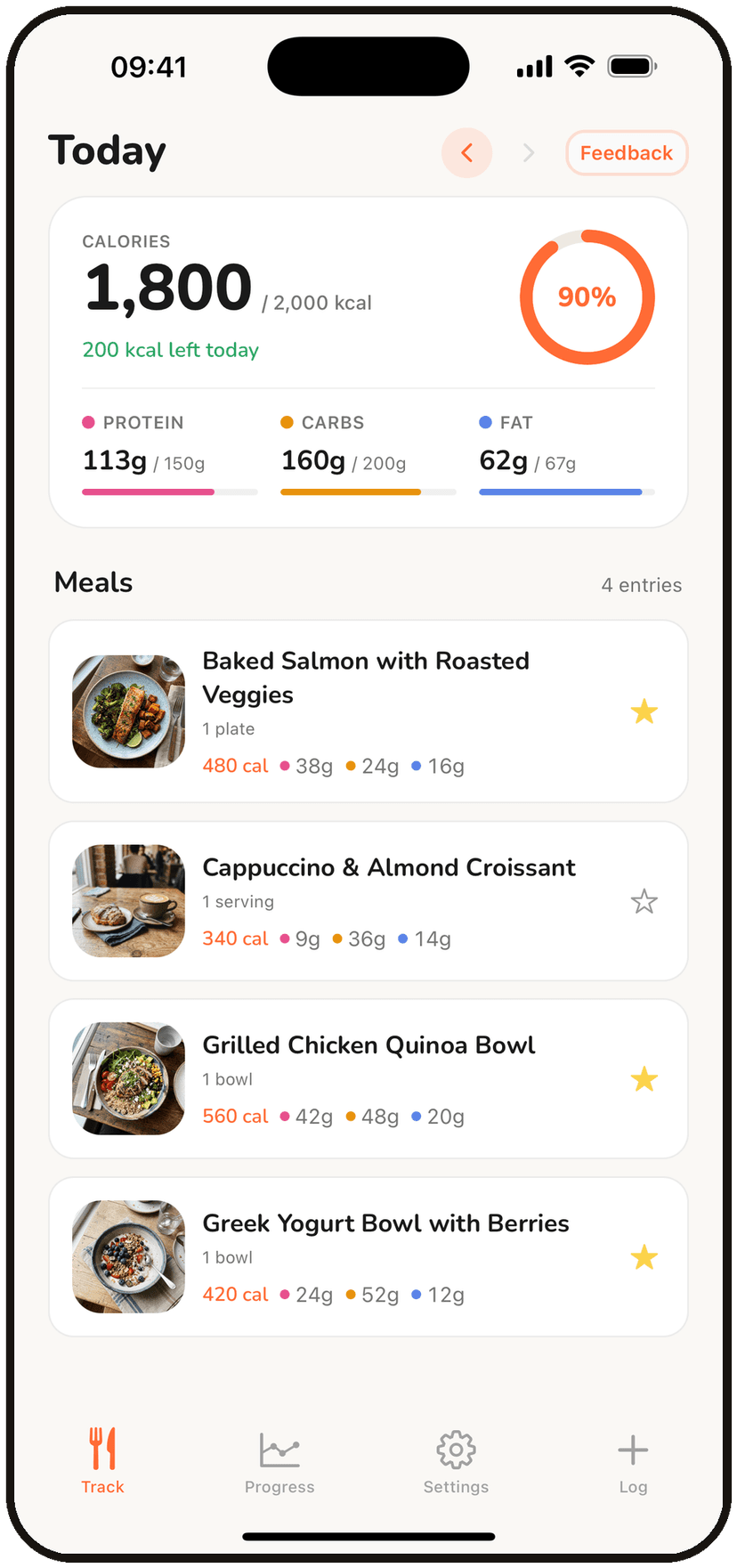
Portion guesses add up fast. BiteKit's AI estimates what's actually on your plate — oils, sides and all — so your log stays close to what you really ate.
- Log meals by photo, voice, or text
- Calories & macros estimated in seconds
- Syncs with Apple Health and Apple Watch
Free download · 3-day free trial, cancel anytime.
Scan with your iPhone camera