AI Dining Out Advisor
Describe a restaurant type and your dietary goals, and get smart ordering strategies, best menu choices, items to avoid, and a complete sample meal with calorie estimates. Eat out without the guilt.
Quick start:
How to Eat Healthy While Dining Out
Dining out doesn't have to mean abandoning your nutrition goals. With a few smart strategies, you can enjoy restaurant meals while staying on track. The key is understanding how restaurants prepare food, where hidden calories lurk, and how to make strategic choices that satisfy both your taste buds and your goals.
- Plan ahead: Look at the menu online before you go so you can make a decision without time pressure or temptation
- Start with protein: Build your meal around a lean protein source, then add vegetables and choose your carbs strategically
- Control portions: Restaurant servings are typically 2-3x what you'd serve at home — consider sharing an entree or boxing half immediately
- Watch liquid calories: A single cocktail, soda, or sweetened drink can add 200-400 calories. Water, sparkling water, or unsweetened tea save hundreds of calories per meal
- Don't arrive starving: Having a small protein-rich snack before dining out prevents the impulsive bread basket raid and helps you order more mindfully
Common Restaurant Calorie Traps
Restaurants are designed to make food irresistible, which often means extra butter, oil, sugar, and oversized portions. Knowing where calories hide helps you make informed choices without feeling restricted.
Bread & Chips
That complimentary bread basket or chips and salsa can easily add 300-500 calories before your meal even arrives. Ask for it to be removed, or limit yourself to one small serving.
Sauces & Dressings
Creamy sauces, dressings, and glazes are the biggest hidden calorie sources at restaurants. A single serving of ranch, alfredo, or teriyaki glaze can add 150-300 calories. Always ask for sauces on the side.
Cooking Methods
Fried, breaded, and sauteed items absorb significant oil during cooking. A grilled chicken breast has roughly 200 calories, while the same breast breaded and fried can reach 400-500 calories. Choose grilled, baked, or steamed whenever possible.
Portion Sizes
Restaurant portions have grown dramatically over the decades. A typical pasta dish at an Italian restaurant contains 3-4 servings of pasta. Consider splitting an entree, ordering a lunch portion, or immediately boxing half your meal.
Quick Tips by Restaurant Type
Every cuisine has its strengths and pitfalls. Here are rapid-fire tips for the most popular restaurant types:
Italian
Go for grilled fish or chicken with vegetables instead of heavy pasta dishes. If you want pasta, order an appetizer portion. Choose marinara over alfredo or vodka sauce. Skip the bread basket and ask for olive oil sparingly.
Mexican
Choose fajitas or grilled proteins over burritos and chimichangas. Skip the chips or limit to a small handful. Opt for black beans over refried beans. Load up on pico de gallo and salsa verde instead of sour cream and cheese.
Japanese / Sushi
Sashimi is the lowest-calorie protein option at any restaurant. Avoid tempura rolls and spicy mayo. Edamame is an excellent appetizer. Watch out for rice portions in regular rolls — each roll contains about one cup of seasoned rice.
Steakhouse
Choose leaner cuts like filet mignon or sirloin over ribeye. Skip the loaded baked potato and creamed spinach in favor of steamed vegetables or a side salad. Watch out for appetizers like bloomin' onions that can exceed 1,500 calories.
Staying Social While Eating Healthy
One of the biggest challenges of dining out isn't the food itself — it's the social pressure. Business dinners, family celebrations, and friend outings all come with expectations that can make healthy eating feel awkward. Here's how to navigate it:
- Order first: Being the first to order prevents you from being influenced by what others choose
- Don't announce your diet: Simply order what works for you without making it a topic of conversation
- Focus on the company: The real purpose of dining out is usually the social connection, not the food — savor the conversation
- Use the 80/20 approach: If you eat well 80% of the time, one restaurant meal won't derail your progress — flexibility is sustainable
- Skip the guilt: If you do indulge, enjoy it fully and get back to your regular eating at the next meal. One meal doesn't define your progress
Frequently Asked Questions
How does the AI Dining Out Advisor work?
Enter the type of restaurant you're visiting, select your dietary goal, and optionally add a calorie target or diet type. The AI analyzes the typical menu for that cuisine and generates personalized ordering strategies, best choices, items to avoid, modification tips, and a complete sample meal with calories and macros.
Can I use this for any type of restaurant?
Yes! The advisor works with any restaurant type — Italian, Mexican, Japanese, Indian, Thai, Chinese, Mediterranean, steakhouses, fast casual, buffets, and more. The AI has knowledge of typical menu items and nutritional profiles for cuisines worldwide.
How accurate are the calorie estimates?
The AI provides approximate calorie estimates based on standard restaurant portions and preparation methods. While not exact — restaurant portions and recipes vary — the estimates are useful for comparing options and making informed decisions. Chain restaurant estimates tend to be more accurate.
Can I still lose weight while eating out?
Absolutely. With the right strategies — choosing grilled over fried, sauces on the side, watching portions, and skipping liquid calories — you can enjoy restaurant meals while staying in a calorie deficit. The key is planning ahead and making informed choices.
What dietary goals does this tool support?
The tool supports Weight Loss, Muscle Building, Maintenance, Low Carb, High Protein, and General Health goals. You can also specify a diet type like Vegetarian, Vegan, Keto, Paleo, or Gluten-Free for more tailored recommendations.
What are the biggest calorie traps when dining out?
The biggest traps include bread baskets and chips (200-500 cal), creamy dressings and sauces (150-300 cal per serving), sugary cocktails (200-400 cal each), oversized portions (often 2-3x a standard serving), and hidden oils and butter used in cooking. The AI advisor flags these traps specific to each restaurant type.
iPhone app · 3-day free trial
You're likely eating 500 calories more than you think
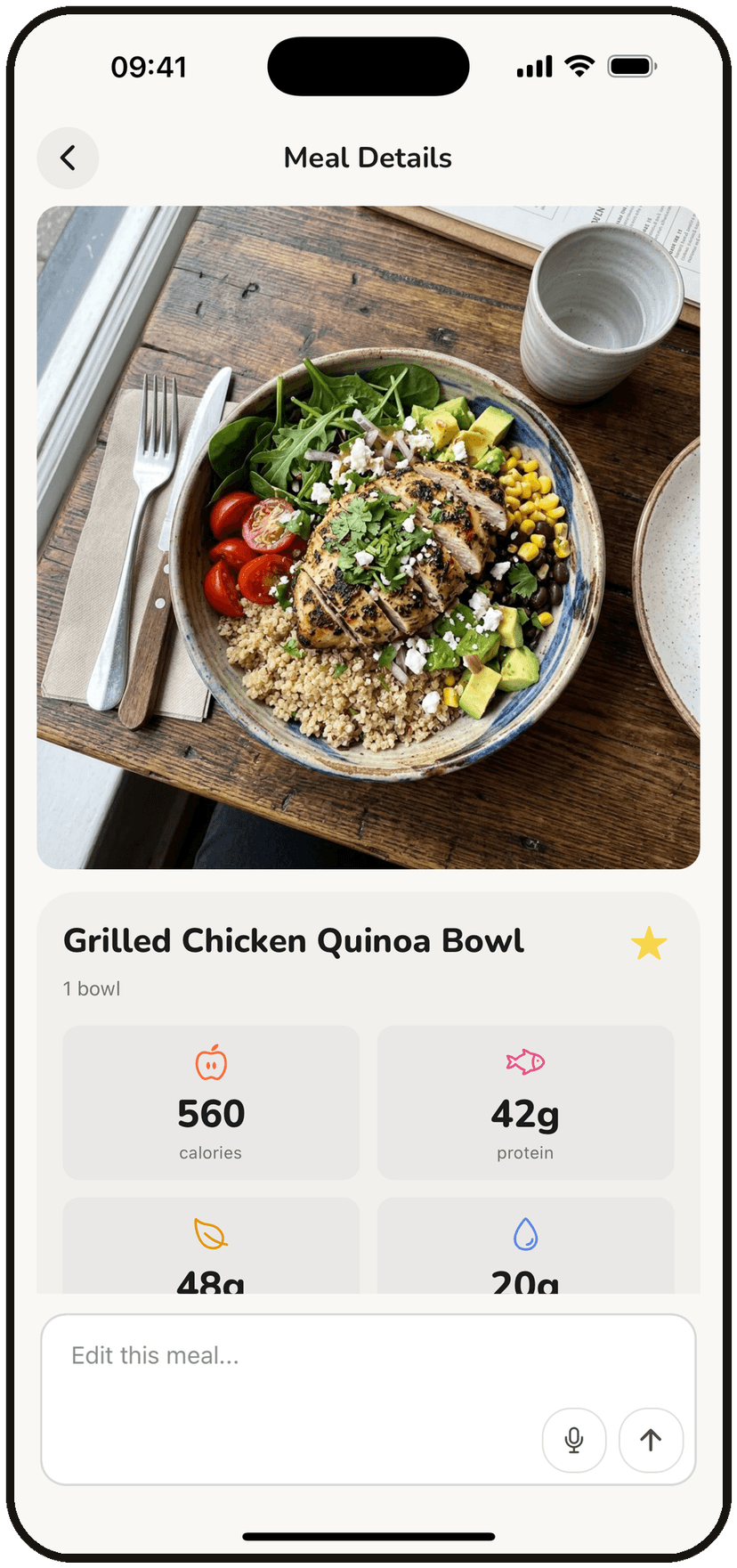
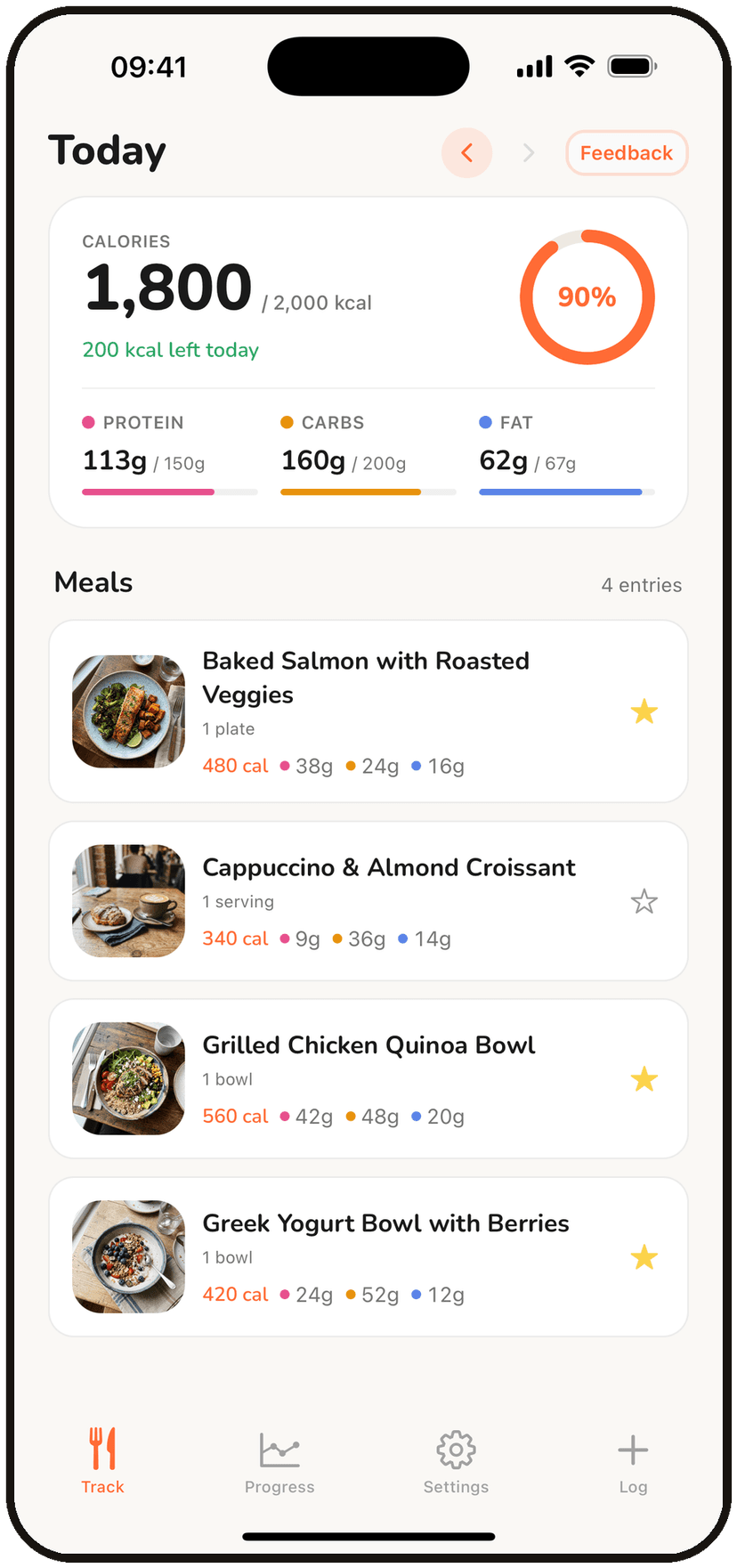
Portion guesses add up fast. BiteKit's AI estimates what's actually on your plate — oils, sides and all — so your log stays close to what you really ate.
- Log meals by photo, voice, or text
- Calories & macros estimated in seconds
- Syncs with Apple Health and Apple Watch
Free download · 3-day free trial, cancel anytime.
Scan with your iPhone camera