AI GLP-1 Meal Planner
Generate high-protein, nutrient-dense meal plans optimized for reduced appetite on semaglutide, tirzepatide, or liraglutide — with nausea-trigger avoidance and muscle preservation built in.
Most GLP-1 users target 1,000–1,500 kcal/day
Aim for at least 0.8–1.2g per pound of goal body weight to preserve muscle
GLP-1 users often do well with 2–3 smaller meals
Why Nutrition Is Critical on GLP-1 Medications
GLP-1 receptor agonists like semaglutide (Ozempic, Wegovy), tirzepatide (Mounjaro, Zepbound), and liraglutide (Victoza, Saxenda) are transforming weight management. They work by mimicking the GLP-1 hormone, slowing gastric emptying, reducing appetite, and increasing insulin secretion. The result is dramatic calorie reduction — but this comes with nutritional risks that require active management.
40%
of weight lost can be lean muscle without proper protein intake
1,200
kcal/day is a common intake for GLP-1 users — every calorie must count
100+
grams of protein per day recommended to preserve muscle mass
The Protein First Principle for GLP-1 Users
The most important nutritional principle for GLP-1 medication users is simple: eat protein first at every meal. Because your stomach capacity is significantly reduced and you get full quickly, you need to prioritize the most critical macronutrient before running out of room.
Best High-Protein Foods on GLP-1
Chicken breast (31g/100g), canned tuna (26g/100g), Greek yogurt (10g/100g), cottage cheese (11g/100g), egg whites (11g/100g), salmon (20g/100g), whey protein isolate (90g/100g), tofu (8g/100g), tempeh (19g/100g), and lean ground turkey (28g/100g). These foods provide high protein per calorie with minimal fat to avoid triggering nausea.
Protein Timing Matters
Research shows that muscle protein synthesis peaks when you consume at least 0.4g protein per kg body weight per meal, with a leucine-rich protein source. Spreading your daily protein goal across 3–4 meals is significantly more effective for muscle preservation than eating it all in one sitting. A protein shake can be invaluable on days when solid food is difficult to tolerate.
Protein Shakes as a Safety Net
On days with severe nausea or very low appetite, a high-quality whey protein isolate shake (25–30g protein per scoop) blended with water or milk provides essential protein without triggering digestive discomfort. Look for low-fat, low-sugar options. Casein protein before bed supports overnight muscle protein synthesis.
Managing GI Side Effects Through Nutrition
Nausea, vomiting, and gastroparesis are among the most common side effects of GLP-1 medications, especially during dose escalation. Strategic dietary choices can significantly reduce these symptoms.
Foods That Worsen Nausea
- Fried and greasy foods (slow digestion further)
- High-fat meats (bacon, sausage, ribeye)
- Carbonated beverages (cause bloating)
- Spicy foods and hot sauces
- Large meals eaten quickly
- Alcohol
- Very sweet or sugary foods
Foods That Soothe Nausea
- Ginger tea or ginger chews
- Plain crackers or dry toast
- Banana and mashed sweet potato
- Plain white rice
- Cold foods (often better tolerated than hot)
- Peppermint tea
- Small, frequent sips of water
Micronutrient Considerations on GLP-1 Medications
Eating significantly fewer calories creates a real risk of micronutrient deficiencies. GLP-1 users should pay special attention to these key nutrients:
B12 & Iron
Reduced meat intake and slower gastric emptying can impair B12 and iron absorption. Consider a high-quality B12 supplement (methylcobalamin) and include iron-rich foods like lean beef, eggs, and spinach with vitamin C.
Calcium & Vitamin D
Essential for bone health, especially during rapid weight loss. Aim for 3 servings of calcium-rich foods daily (Greek yogurt, cottage cheese, dairy or fortified non-dairy). A vitamin D3 supplement (2,000 IU/day) is recommended for most GLP-1 users.
Potassium & Magnesium
Electrolytes can become depleted with reduced food intake and any vomiting. Include bananas, avocado, leafy greens, and pumpkin seeds. A magnesium supplement (200–400mg glycinate) before bed can also improve sleep quality and reduce muscle cramps.
Fiber for Gut Health
GLP-1 medications significantly slow digestion, which can cause constipation. Aim for 20–25g of fiber daily through vegetables, chia seeds, psyllium husk, and whole grains. Drink plenty of water alongside fiber to prevent worsening constipation.
Frequently Asked Questions
How much protein do I need on GLP-1 medication?
Most experts recommend 1.2–1.6g of protein per kilogram of goal body weight per day. Because GLP-1 medications cause rapid weight loss, you are at high risk of losing lean muscle. Eating adequate protein — at least 30g per meal, distributed across all meals — is the most important nutritional strategy on these medications.
What foods should I avoid on Ozempic or Wegovy?
Avoid fatty and greasy foods (fried foods, creamy sauces, high-fat meats) which significantly worsen nausea. Also avoid high-sugar foods, carbonated drinks, spicy foods, alcohol, and large meals. Focus on lean proteins, soft vegetables, and easily digestible carbs like white rice and bananas.
How many calories should I eat on GLP-1 medication?
Most GLP-1 users naturally reduce to 1,000–1,500 calories per day. Eating below 800 calories without medical supervision is not recommended as it can cause nutritional deficiencies and excessive muscle loss. Every calorie should be nutrient-dense — protein first, then vegetables, with minimal empty calories.
How do I manage nausea on GLP-1 medications?
Eat smaller, slower meals. Avoid lying down for 2–3 hours after eating. Stay hydrated between meals (not with meals). Avoid fatty, spicy, and carbonated foods. Try ginger tea or ginger chews. Eat at consistent times. Nausea is most common during the first 4–8 weeks and typically improves after your body adjusts to each dose.
Will I lose muscle on GLP-1 medications?
Without intentional effort, up to 40% of weight loss can be lean mass rather than fat. To minimize muscle loss: eat at least 100g of protein daily spread across meals, incorporate resistance training 2–3 times per week, and consider creatine monohydrate supplementation (5g daily). This is one of the most important long-term considerations for GLP-1 users.
What is the difference between semaglutide and tirzepatide nutrition needs?
Tirzepatide (Mounjaro/Zepbound) acts on both GLP-1 and GIP receptors, generally producing stronger appetite suppression and more weight loss than semaglutide. Nutritional principles are similar for both medications, but tirzepatide users may need to be even more vigilant about protein intake and muscle preservation strategies due to potentially greater calorie reduction.
iPhone app · 3-day free trial
You're likely eating 500 calories more than you think
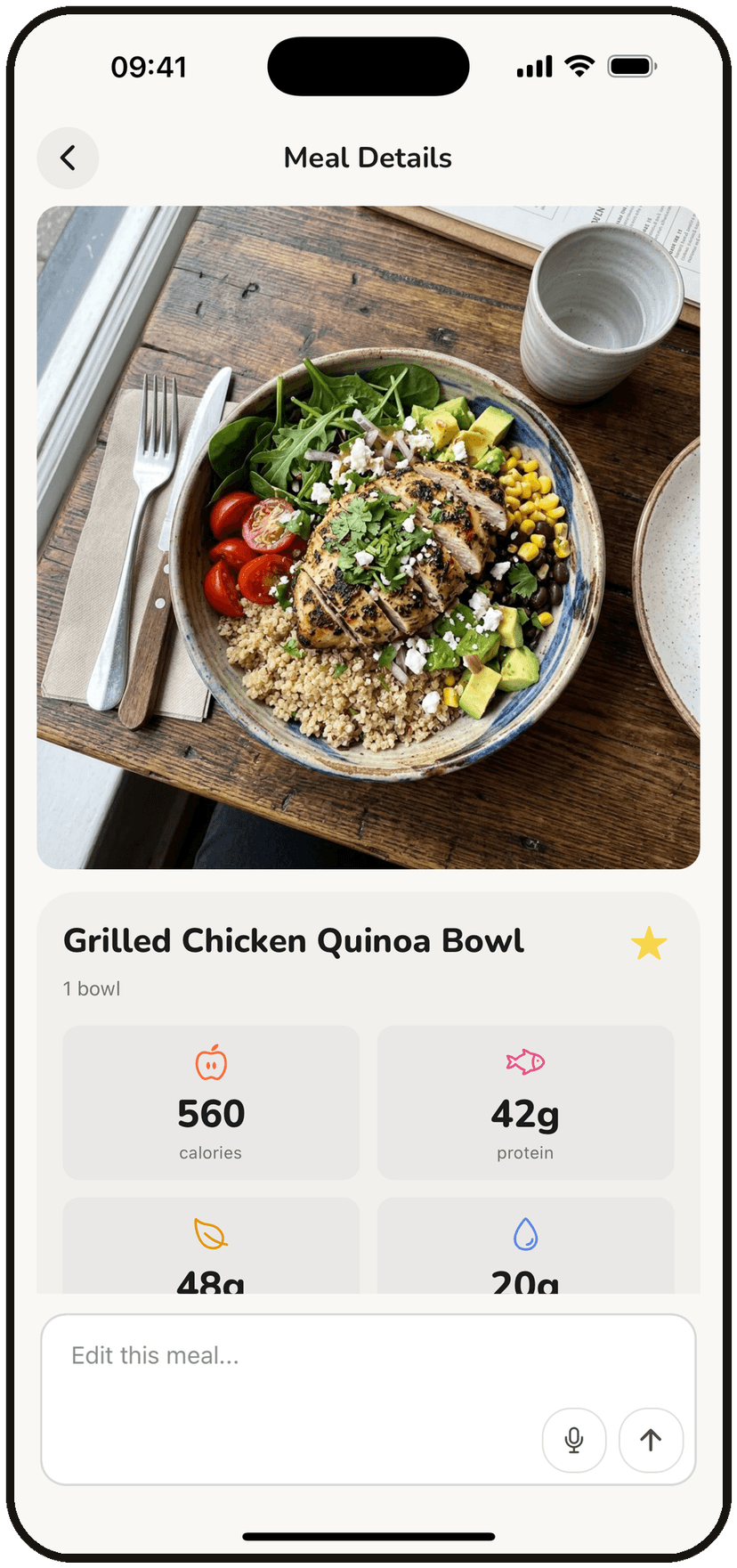
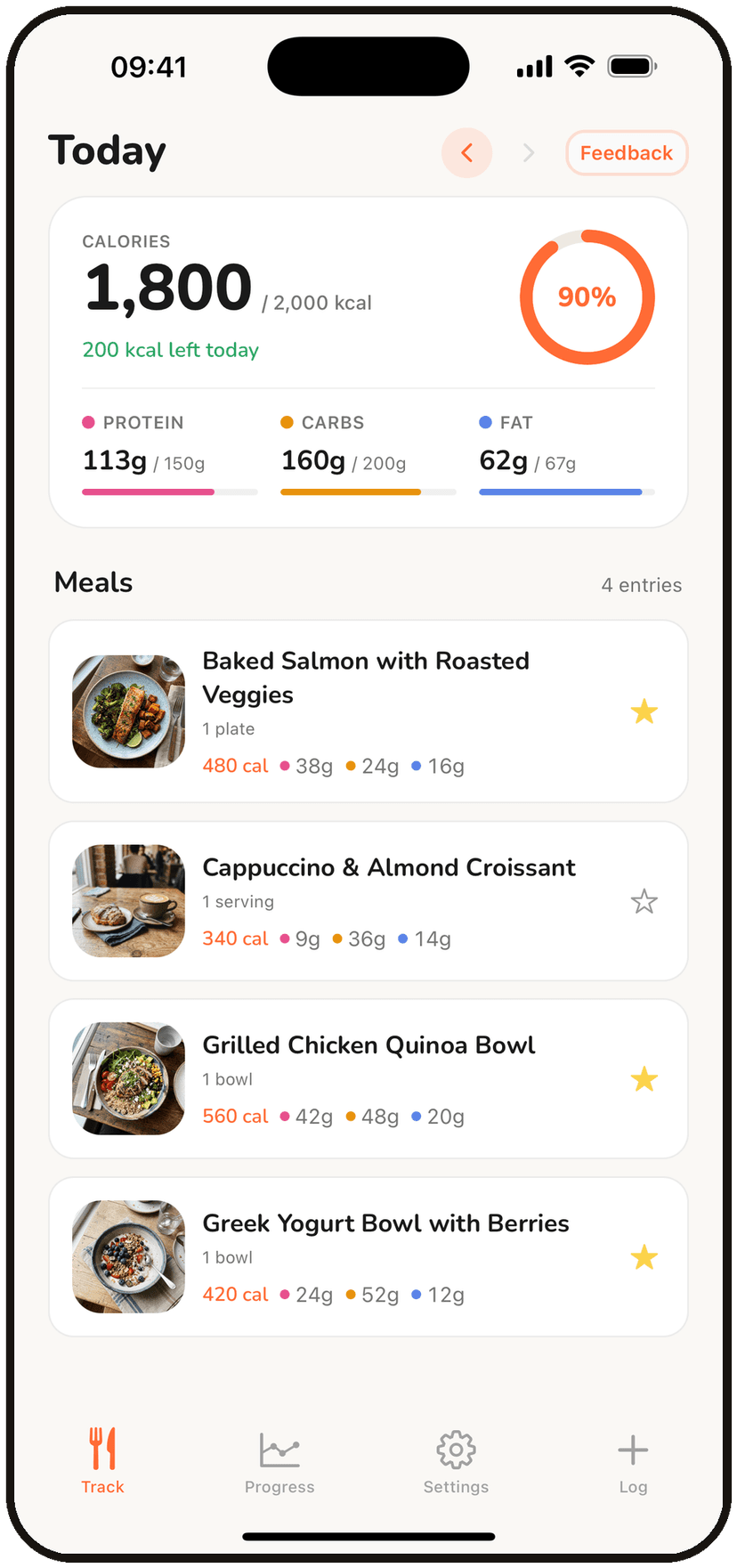
Portion guesses add up fast. BiteKit's AI estimates what's actually on your plate — oils, sides and all — so your log stays close to what you really ate.
- Log meals by photo, voice, or text
- Calories & macros estimated in seconds
- Syncs with Apple Health and Apple Watch
Free download · 3-day free trial, cancel anytime.
Scan with your iPhone camera