AI Leftover Meal Suggester
List what's left in your fridge and our AI will suggest creative, nutritionally balanced meals you can make right now. Reduce food waste and eat well with what you already have.
List everything in your fridge that you want to use up, separated by commas
Quick starts:
Why Reducing Food Waste Matters
According to the USDA, roughly 30-40% of the food supply in the United States goes to waste. That is not only an environmental issue but also a financial one, with the average household throwing away hundreds of dollars worth of food every year. Cooking with leftovers is one of the simplest and most impactful ways to reduce your footprint and save money.
- Save money: Using up what you already have means fewer grocery trips and less money wasted on food that ends up in the bin
- Reduce environmental impact: Food waste in landfills produces methane, a potent greenhouse gas. Less waste means a smaller carbon footprint
- Eat more creatively: Constraints breed creativity. Some of the best dishes come from working with what you have
- Improve nutrition: Planning meals from leftovers encourages balanced eating instead of defaulting to takeout when the fridge seems empty
Smart Meal Planning from Leftovers
The key to cooking with leftovers is thinking in terms of versatile base ingredients that can be transformed into different meals. Here are some strategies:
Protein Transformations
Leftover cooked chicken can become chicken salad, stir-fry, soup, quesadillas, or pasta. Cooked beef works in tacos, fried rice, or shepherd's pie. Think beyond reheating.
Grain Repurposing
Day-old rice makes the best fried rice. Leftover pasta can be baked into a frittata or casserole. Stale bread becomes French toast, croutons, or bread pudding.
Vegetable Revival
Wilting vegetables are perfect for soups, stews, and stir-fries. Roast them for concentrated flavor, blend into sauces, or add to omelets and frittatas.
The Flavor Bridge
Sauces, condiments, and spices are the secret to making leftover meals exciting. A splash of soy sauce, squeeze of lime, or sprinkle of cheese can completely transform a dish.
Food Storage Best Practices
Proper storage extends the life of your leftovers and keeps them safe to eat:
Cooked Proteins (3-4 days in fridge)
Store cooked chicken, beef, pork, or fish in airtight containers. For longer storage, freeze in portions for up to 3-4 months. Label with the date so you know when to use it.
Cooked Grains (4-6 days in fridge)
Rice, pasta, and quinoa store well in sealed containers. Spread rice on a sheet pan before refrigerating to prevent clumping. Day-old rice is ideal for fried rice.
Fresh Vegetables (varies by type)
Store leafy greens with a paper towel to absorb moisture. Keep tomatoes at room temperature. Bell peppers and onions last 1-2 weeks in the fridge. Use the most perishable items first.
Sauces and Condiments (1-2 weeks in fridge)
Homemade sauces and opened condiments should be refrigerated promptly. Use clean utensils to avoid contamination. Most store-bought sauces have use-by dates on the label.
When to Use This Tool
The AI Leftover Meal Suggester is perfect for anyone who wants to cook smarter and waste less:
End-of-Week Cooking
Before your next grocery run, use up everything in the fridge. Enter your remaining ingredients and get meals that clear the shelves.
After Meal Prep
Have leftover ingredients from meal prep? Get ideas for using the extra portions and odd ingredients that did not make it into your planned meals.
Quick Weeknight Dinners
No time to plan? List what you have and get a fast, easy meal idea in seconds. Many suggestions are ready in under 30 minutes.
Budget-Friendly Cooking
Stretching your food budget? Make the most of every ingredient you buy by turning leftovers into planned meals instead of waste.
Frequently Asked Questions
How does the AI Leftover Meal Suggester work?
The AI Leftover Meal Suggester uses advanced AI trained on thousands of recipes and nutrition databases. You list the leftover ingredients in your fridge, optionally set dietary preferences and cuisine style, and the AI generates 3-5 creative meal ideas with complete recipes, nutrition breakdowns, and step-by-step cooking instructions.
What kind of leftovers can I enter?
You can enter any food ingredients, whether raw or cooked. This includes proteins like chicken, beef, and tofu; vegetables; grains like rice and pasta; sauces; dairy products; and canned goods. The more ingredients you list, the more creative the meal suggestions.
Will I need to buy additional ingredients?
The AI prioritizes using your listed leftovers and only suggests basic pantry staples like salt, pepper, oil, garlic, and common spices as additional ingredients. These are items most kitchens already have, minimizing extra shopping.
How accurate are the nutrition estimates?
The AI estimates nutrition per serving using comprehensive food databases including USDA data. While exact values may vary based on specific brands and portion sizes, the estimates are reliable for general meal planning and daily nutrition tracking.
Can I get meal ideas for specific diets?
Yes! You can select dietary preferences like vegetarian, vegan, gluten-free, dairy-free, or low-carb. The AI will only suggest meals that comply with your chosen restrictions while maximizing the use of your listed ingredients.
How does this help reduce food waste?
Food waste is a major issue, with households throwing away roughly 30-40% of purchased food. This tool turns ingredients you might otherwise discard into planned meals. Each result includes a waste reduction tip and storage advice for remaining ingredients.
iPhone app · 3-day free trial
You're likely eating 500 calories more than you think
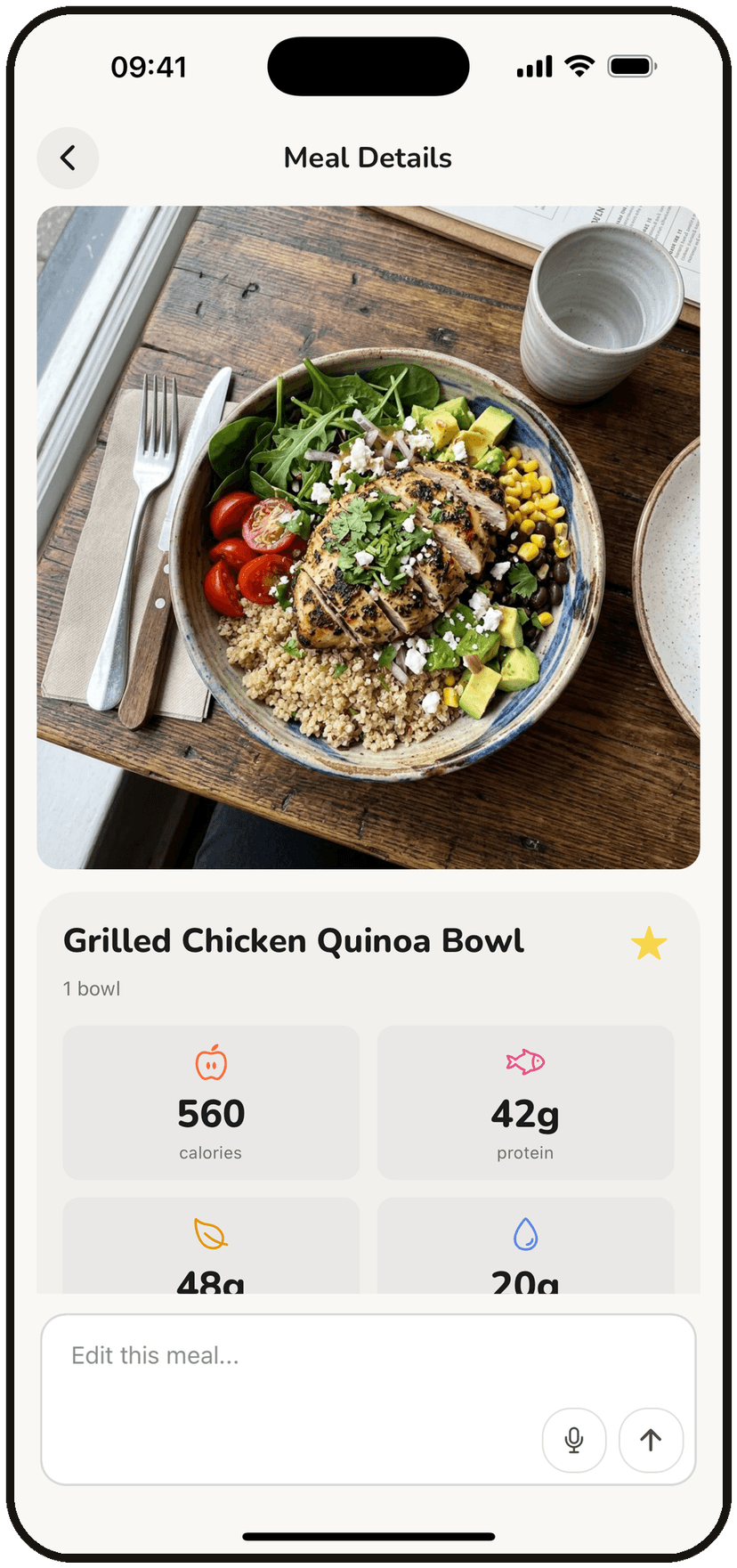
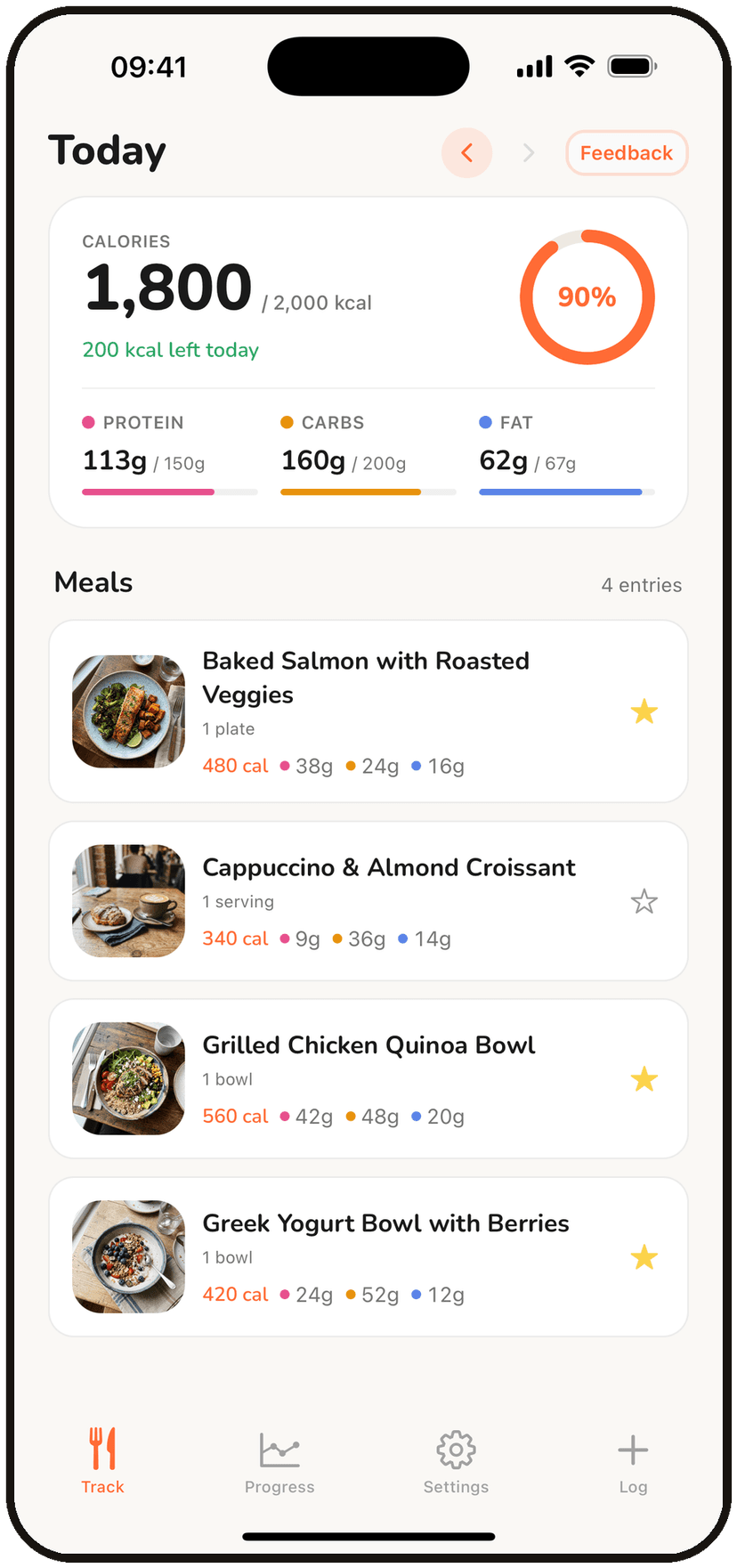
Portion guesses add up fast. BiteKit's AI estimates what's actually on your plate — oils, sides and all — so your log stays close to what you really ate.
- Log meals by photo, voice, or text
- Calories & macros estimated in seconds
- Syncs with Apple Health and Apple Watch
Free download · 3-day free trial, cancel anytime.
Scan with your iPhone camera