AI Travel Nutrition Planner
Plan your travel nutrition with AI. Get a personalized guide for eating healthy at any destination, with local food tips, sample meal plans, food safety advice, and strategies tailored to your trip type and dietary goals.
Enter your destination city, region, or country
Quick start:
Why Travel Nutrition Planning Matters
Traveling is one of life's greatest pleasures, but it can easily derail your nutrition goals. Between airport food courts, unfamiliar cuisines, and the temptation to indulge at every meal, many travelers return home feeling sluggish and off track. A solid nutrition plan helps you enjoy local food experiences while maintaining the energy and health you need to make the most of your trip.
The key is not to avoid local cuisine -- quite the opposite. The best travel nutrition strategy embraces local food while making informed choices. Traditional cuisines around the world are often built on whole, nutrient-dense ingredients. By understanding what to look for and how to balance your meals, you can eat adventurously and healthily at the same time.
Energy for Adventures
Proper nutrition fuels your travel activities. Whether you're hiking temples, walking city streets, or attending back-to-back meetings, the right food choices keep your energy consistent throughout the day.
Avoid Travel Sickness
Food safety awareness and smart eating habits prevent the stomach issues that can ruin a trip. Knowing what to eat, where to eat, and how to stay hydrated is essential for any traveler.
Nutrition Strategies by Trip Type
Different types of travel present different nutrition challenges. Here's how to approach healthy eating based on your travel style:
Vacation Travel
Balance indulgence with intention. Use the 80/20 rule: eat healthy at 80% of meals and enjoy local specialties guilt-free at the rest. Front-load your day with a nutritious breakfast so you can be more flexible at dinner.
Business Travel
Business trips often involve client dinners and catered meetings. Scout restaurant menus in advance, request healthy options for catered events, and keep protein-rich snacks in your hotel room to avoid vending machine temptations.
Backpacking
Budget and portability are key. Focus on local markets for fresh produce, carry shelf-stable protein sources, and learn the local words for common healthy foods. Street food is often more nutritious than tourist restaurants.
Cruise Ships
The biggest challenge is unlimited buffets. Start each meal with a salad or broth-based soup, use smaller plates, and avoid going back for seconds automatically. Take advantage of the gym and walking opportunities on port days.
Road Trips
Pack a cooler with pre-made meals and healthy snacks. Plan fuel stops that coincide with sit-down restaurants rather than drive-throughs. Stay hydrated since car travel can be dehydrating, especially with air conditioning.
Healthy Eating Tips for Popular Destinations
Every destination has its own food culture and nutritional landscape. Here are some quick tips for popular travel regions:
Southeast Asia
Choose rice-based dishes over noodles for lower calorie density. Opt for clear soups like pho or tom yum. Watch out for hidden sugars in sauces and coconut milk-based curries.
Mediterranean Europe
Embrace the Mediterranean diet naturally. Focus on grilled fish, fresh salads, olive oil, and legumes. Share pasta dishes as a starter rather than a main course to manage portions.
Latin America
Look for grilled meats, fresh ceviches, and bean-based dishes for high protein. Local fruits are incredibly fresh and nutritious. Be cautious with fried options like empanadas as daily staples.
East Asia
Japanese and Korean cuisines are among the healthiest in the world. Choose sashimi over tempura, opt for steamed over fried dumplings, and take advantage of abundant fermented foods for gut health.
Middle East
Mezze platters with hummus, baba ganoush, and tabbouleh are nutrient-dense options. Grilled kebabs provide excellent protein. Watch portion sizes with bread and rice accompaniments.
North America
Portion sizes are typically large. Ask for half portions or take leftovers. Seek out farm-to-table restaurants for fresher ingredients. Farmers' markets are great for healthy snacks on the go.
Essential Travel Nutrition Habits
Regardless of your destination or trip type, these foundational habits will keep your nutrition on track while traveling:
Stay Hydrated
Travel, especially air travel, is dehydrating. Carry a reusable water bottle and aim for at least 2-3 liters daily. In hot climates, consider electrolyte packets to replace minerals lost through sweat.
Prioritize Protein
Protein keeps you full and helps maintain muscle while traveling. Aim for a protein source at every meal -- grilled meats, fish, eggs, legumes, or dairy depending on local availability.
Maintain Meal Timing
Jet lag and irregular schedules can disrupt eating patterns. Try to eat at consistent times aligned with your destination's time zone to help your body adjust and maintain stable energy levels.
Shop Local Markets
Local markets offer the freshest produce and authentic foods at lower prices than restaurants. Visit markets for breakfast items, fresh fruit, and healthy snacks to keep in your accommodation.
Frequently Asked Questions
How does the AI Travel Nutrition Planner work?
Enter your travel destination, trip type, and duration. The AI uses real-time data to generate a personalized nutrition plan including local food guides with nutrition estimates, healthy eating strategies, sample meal plans, food safety tips, and packing suggestions tailored to your specific destination and dietary goals.
Can I use this for any destination in the world?
Yes. The AI Travel Nutrition Planner works for any destination worldwide. Whether you are traveling to Tokyo, Paris, Bangkok, or a remote village, the AI provides destination-specific food advice, local dish recommendations, and culturally relevant nutrition strategies.
How accurate are the calorie estimates for local dishes?
The AI references USDA nutritional data and real-world nutrition information to provide reasonable estimates for local dishes. Since preparation methods and portion sizes vary between restaurants and street vendors, the estimates represent typical servings. Use them as a general guide rather than exact values.
Does it account for dietary restrictions like vegan or gluten-free?
Yes. You can select from multiple dietary restrictions including vegan, vegetarian, gluten-free, dairy-free, halal, and kosher. The AI tailors all food recommendations, meal plans, and strategies to respect your dietary needs while still helping you enjoy local cuisine.
What trip types does this planner support?
The planner supports five trip types: vacation, business trip, backpacking, cruise, and road trip. Each trip type receives tailored advice since nutrition challenges differ significantly. For example, a business traveler needs restaurant strategies while a backpacker needs portable food tips.
Does this tool provide food safety advice?
Yes. Every travel nutrition plan includes destination-specific food safety tips covering water safety, street food precautions, common allergens in local cuisine, and climate-related food storage advice. This helps travelers avoid foodborne illness while still enjoying authentic local food.
iPhone app · 3-day free trial
You're likely eating 500 calories more than you think
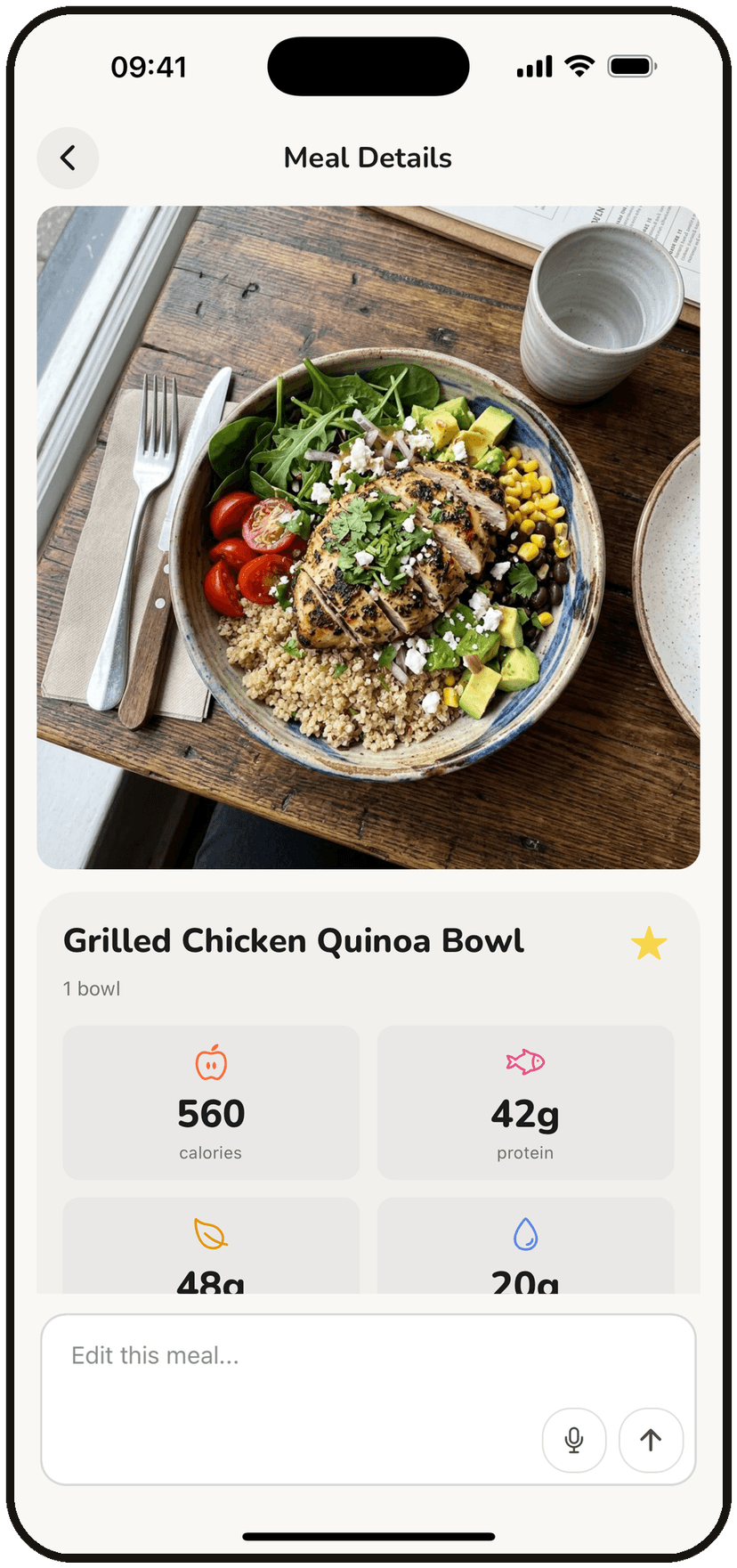
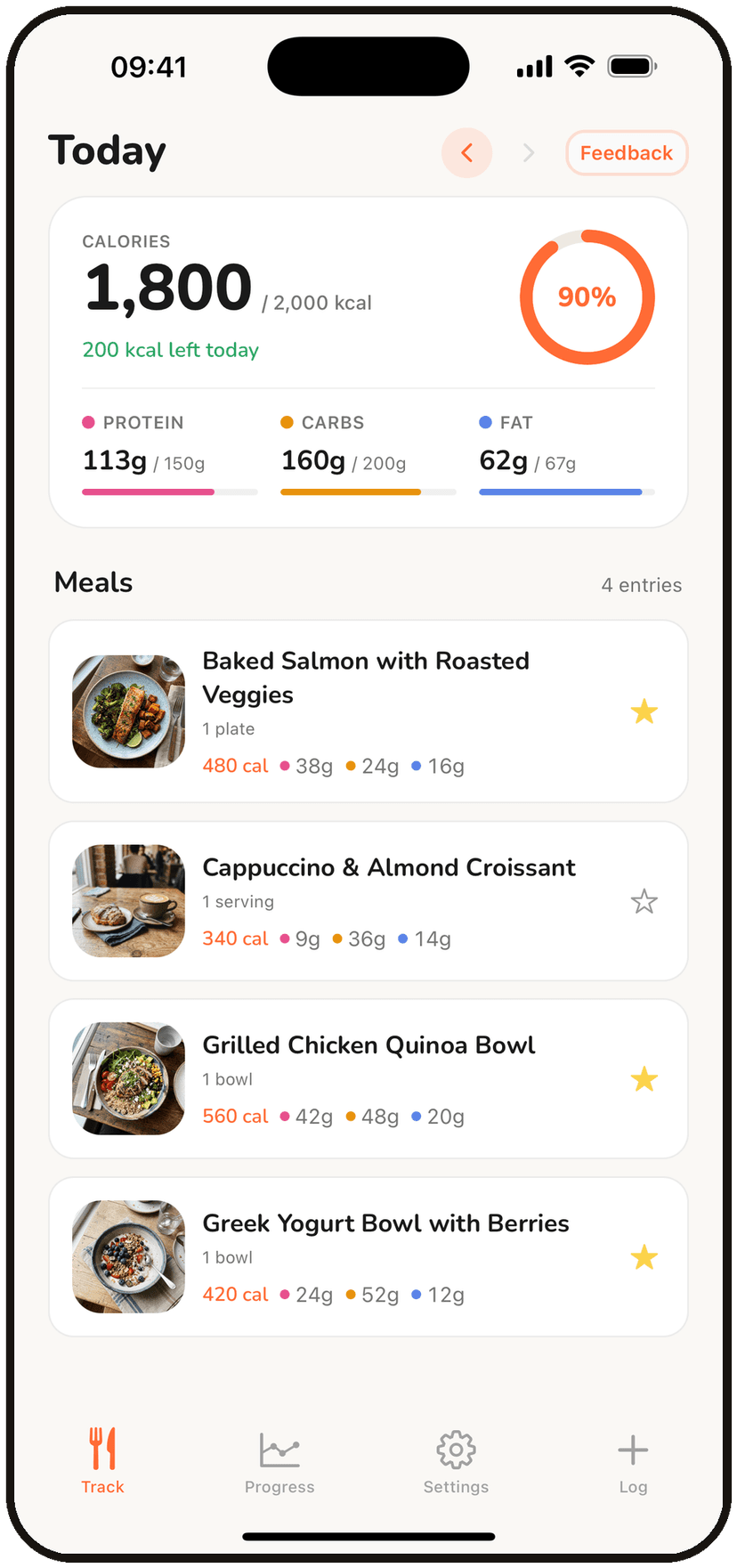
Portion guesses add up fast. BiteKit's AI estimates what's actually on your plate — oils, sides and all — so your log stays close to what you really ate.
- Log meals by photo, voice, or text
- Calories & macros estimated in seconds
- Syncs with Apple Health and Apple Watch
Free download · 3-day free trial, cancel anytime.
Scan with your iPhone camera