Carb Cycling Calculator
Plan your high-carb, moderate-carb, and low-carb days with personalized macros. Get a 7-day cycling plan matched to your training schedule and goals.
High-carb days are aligned with your training days
What is Carb Cycling?
Carb cycling is a dietary strategy where you alternate your carbohydrate intake between high, moderate, and low days throughout the week. High-carb days are typically scheduled on training days to fuel workouts and support recovery, while low-carb days fall on rest days to encourage fat burning.
Unlike strict low-carb or keto diets, carb cycling allows you to enjoy the performance benefits of carbohydrates on the days you need them most, while still creating conditions for fat loss on your rest days. This makes it a sustainable and flexible approach for athletes, bodybuilders, and anyone looking to optimize body composition.
How Carb Cycling Works
The science behind carb cycling is based on how your body uses different fuel sources. Here are the three day types and their purpose:
High-Carb Days
Scheduled on training days. Carbs replenish muscle glycogen, fuel intense workouts, and support recovery. Calories are slightly above your adjusted TDEE.
Moderate-Carb Days
A balanced day that serves as a transition between high and low days. Calories match your adjusted TDEE with an even split between macros.
Low-Carb Days
Scheduled on rest days. Reduced carbs encourage your body to burn fat for fuel. Protein stays high to preserve muscle. Calories are slightly below TDEE.
Benefits of Carb Cycling
Carb cycling offers several advantages over static dieting approaches:
Better Workout Performance
High-carb days fuel your training sessions with glycogen, allowing you to train harder and recover faster than on a constant low-carb diet.
Enhanced Fat Loss
Low-carb days create an environment for fat burning while the cycling pattern prevents your metabolism from slowing down as it would on a prolonged deficit.
Muscle Preservation
Strategic carb intake around training helps maintain muscle mass even during fat loss phases. Protein stays high on all day types to support muscle protein synthesis.
Dietary Flexibility
High-carb days give you room to enjoy carb-rich foods you love, making the diet easier to stick with long term compared to strict low-carb approaches.
Tips for Successful Carb Cycling
Time Your Carbs
On high-carb days, eat most carbs around your workout - before and after training for best performance and recovery.
Keep Protein Consistent
While carbs and fats fluctuate, keep protein relatively high on all days to support muscle maintenance and satiety.
Choose Quality Fats
On low-carb days when fat intake is higher, focus on quality sources like avocado, olive oil, nuts, and fatty fish.
Track and Adjust
Monitor your progress weekly. If you're not seeing results, adjust your training days or goal setting and recalculate.
Frequently Asked Questions
What is carb cycling?
Carb cycling is a dietary strategy that alternates between high-carb, moderate-carb, and low-carb days throughout the week. High-carb days fuel training sessions while low-carb days promote fat burning on rest days.
How many high-carb days should I have?
Match high-carb days to your training days. If you train 4 times per week, you'd have 4 high-carb days, 1 moderate day, and 2 low-carb days. Our calculator builds this plan automatically.
Is carb cycling effective for fat loss?
Yes, carb cycling can be very effective for fat loss. Low-carb days encourage fat burning while high-carb days maintain workout performance and prevent metabolic slowdown that often occurs with prolonged calorie restriction.
What should I eat on each day type?
On high-carb days, focus on complex carbs like oats, rice, potatoes, and fruits. On low-carb days, emphasize protein and healthy fats like meat, fish, eggs, avocado, and nuts. Moderate days are a balanced mix of both.
Can carb cycling help build muscle?
Absolutely. Extra carbohydrates on training days fuel intense workouts and support muscle recovery. The strategic calorie surplus on training days drives muscle protein synthesis while moderate and low days help manage body fat.
What is carb sensitivity?
Carb sensitivity describes how your body responds to carbohydrates. If you tend to gain fat easily from carbs or experience energy crashes, you may be carb sensitive. Our calculator adjusts by shifting 5% of calories from carbs to fat for better results.
iPhone app · 3-day free trial
You're likely eating 500 calories more than you think
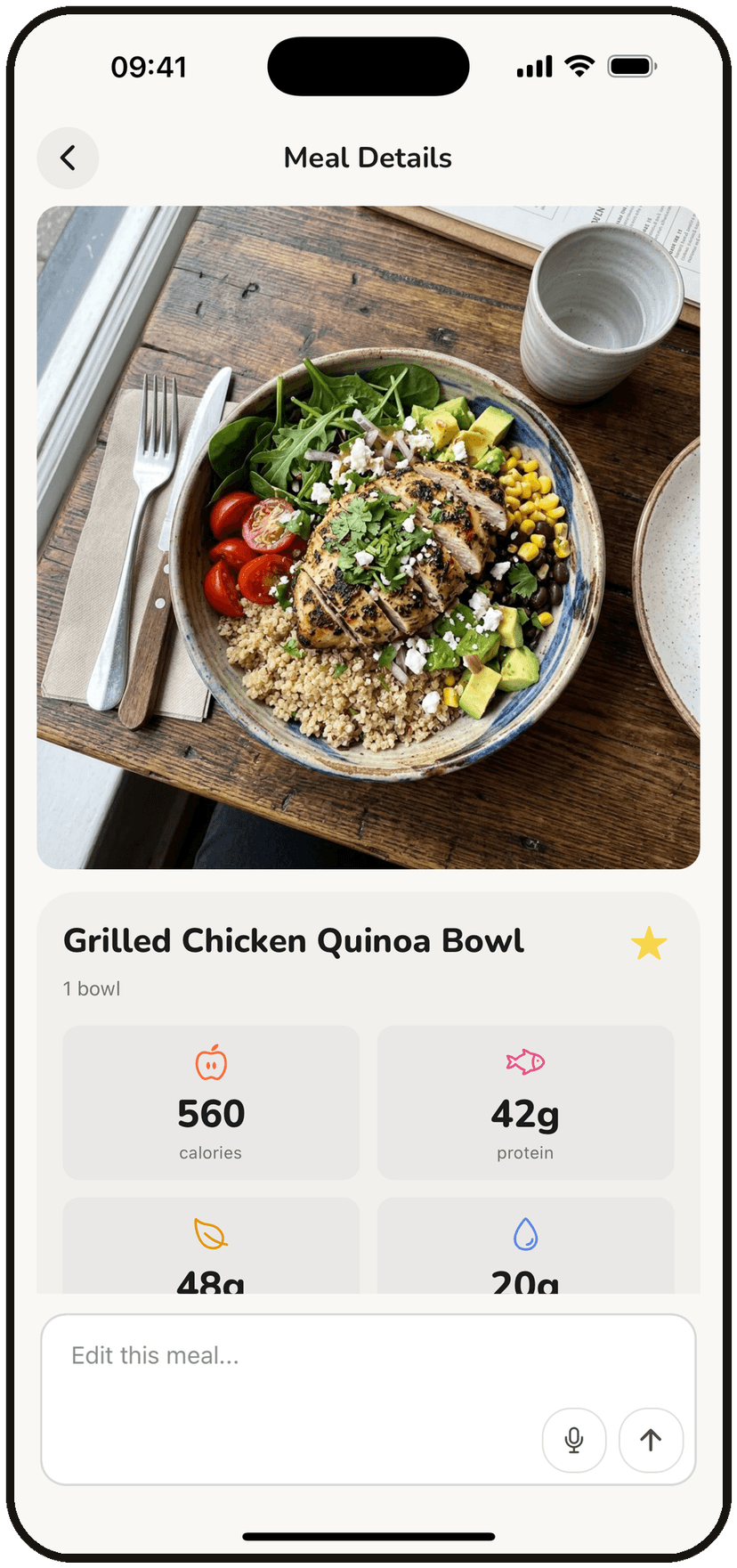
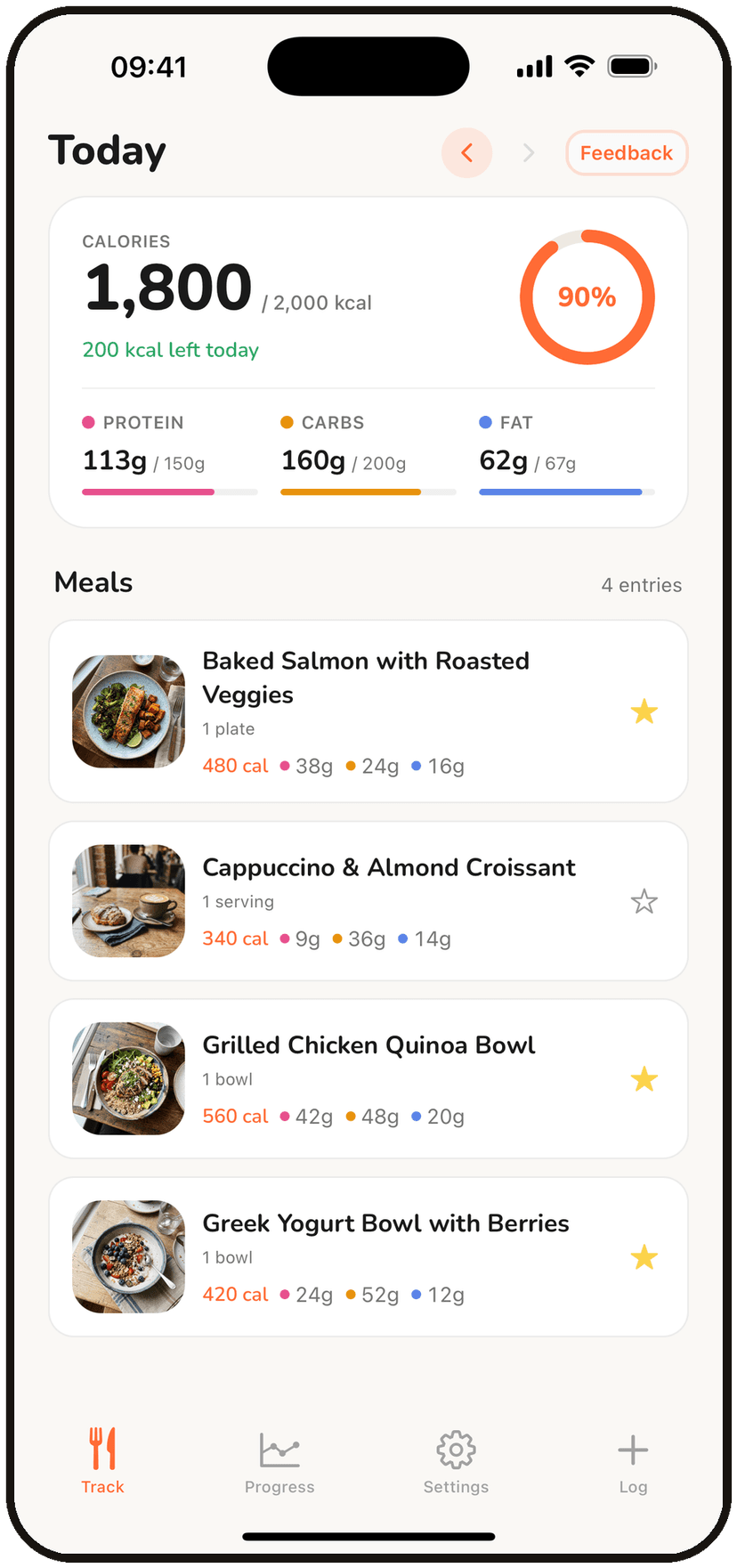
Portion guesses add up fast. BiteKit's AI estimates what's actually on your plate — oils, sides and all — so your log stays close to what you really ate.
- Log meals by photo, voice, or text
- Calories & macros estimated in seconds
- Syncs with Apple Health and Apple Watch
Free download · 3-day free trial, cancel anytime.
Scan with your iPhone camera