Carnivore TDEE Calculator
Calculate your Total Daily Energy Expenditure for a carnivore diet. Get your optimal calories, protein, and fat targets plus daily meat portions based on your goals.
If provided, we'll use the more accurate Katch-McArdle formula
What is the Carnivore Diet?
The carnivore diet is an elimination diet that consists exclusively of animal products. This includes beef, pork, chicken, fish, eggs, and sometimes dairy. All plant foods - vegetables, fruits, grains, legumes, nuts, and seeds - are eliminated.
People follow the carnivore diet for various reasons including weight loss, improved mental clarity, reduced inflammation, better digestion, and simplified meal planning. The diet is naturally zero-carb and high in bioavailable nutrients from animal sources.
Carnivore Diet Macros Explained
Unlike standard diets that balance protein, carbs, and fat, the carnivore diet focuses on just two macronutrients:
Protein (30-35% of calories)
The building block of muscle. On carnivore, aim for 1-1.2g per pound of body weight. Protein keeps you full, supports muscle, and has the highest thermic effect of any macro.
Fat (65-70% of calories)
Your primary energy source on carnivore. Fat provides sustained energy, supports hormone production, and helps absorb fat-soluble vitamins. Choose fatty cuts of meat for satiety.
Carbs: 0g
The carnivore diet eliminates all carbohydrates. Your body adapts to use fat and ketones for fuel, a state similar to ketosis. Some trace carbs may come from eggs or dairy if included.
How Much Protein on Carnivore?
Protein intake is crucial on the carnivore diet. Here are the recommended amounts based on your goals:
Maintenance: 1g per lb body weight
For maintaining current muscle mass and body composition. This is the baseline for most carnivore dieters.
Fat Loss: 1.2g per lb body weight
Higher protein during a deficit preserves muscle mass and increases satiety. Protein also has a higher thermic effect.
Muscle Gain: 1.2g per lb body weight
Building muscle requires adequate protein. Combined with resistance training and a calorie surplus, this supports muscle growth.
Best Meats for Carnivore Diet
Not all meats are equal on carnivore. Here are the best options ranked by nutrient density and fat-to-protein ratio:
Ribeye Steak
The gold standard. Excellent fat-to-protein ratio, highly satiating, and delicious.
Ground Beef (80/20)
Budget-friendly with good fat content. Versatile for meal prep.
Beef Liver
Nature's multivitamin. Incredibly nutrient-dense with B12, iron, and vitamin A.
Lamb Chops
Rich in zinc and B vitamins. Great variety from beef.
Salmon
High in omega-3 fatty acids. Great for brain health and inflammation.
Eggs
Complete protein with choline for brain health. Versatile and affordable.
Tips for Success on Carnivore
Eat Fatty Cuts
Choose ribeye over sirloin, chicken thighs over breast. Fat is your fuel source and keeps you satiated.
Salt Your Food
Carnivore dieters often need more sodium. Salt liberally and consider electrolyte supplementation.
Include Organ Meats
Liver, heart, and kidney provide micronutrients that muscle meat lacks. Even small amounts help.
Eat When Hungry
Many find 1-2 meals per day is sufficient. Let your appetite guide you rather than forcing meals.
Frequently Asked Questions
What is a carnivore diet?
A carnivore diet consists exclusively of animal products - meat, fish, eggs, and sometimes dairy. All plant foods are eliminated. It's an all-meat, zero-carb approach to eating that many follow for weight loss, improved energy, and reduced inflammation.
How much protein do I need on carnivore?
Most people thrive on 1-1.2 grams of protein per pound of body weight. Our calculator adjusts this based on your goals - higher for fat loss or muscle gain, standard for maintenance.
Do I need to count calories on carnivore?
Many people find that appetite naturally regulates on carnivore due to high protein and fat. However, counting can be helpful when starting out, breaking plateaus, or optimizing for specific goals.
What is the ideal fat to protein ratio?
Most carnivore dieters do well with 65-70% of calories from fat and 30-35% from protein. This provides adequate energy while ensuring sufficient protein for muscle maintenance.
How much meat should I eat per day?
This varies based on caloric needs and meat type. Most people eat 1.5-2.5 pounds of meat daily. Our calculator provides specific targets based on your stats and goals.
Can I lose weight on carnivore diet?
Yes, many people successfully lose weight on carnivore. High protein increases satiety and metabolism. Eliminating carbs reduces water retention. Use our calculator to set a moderate deficit for best results.
Free app
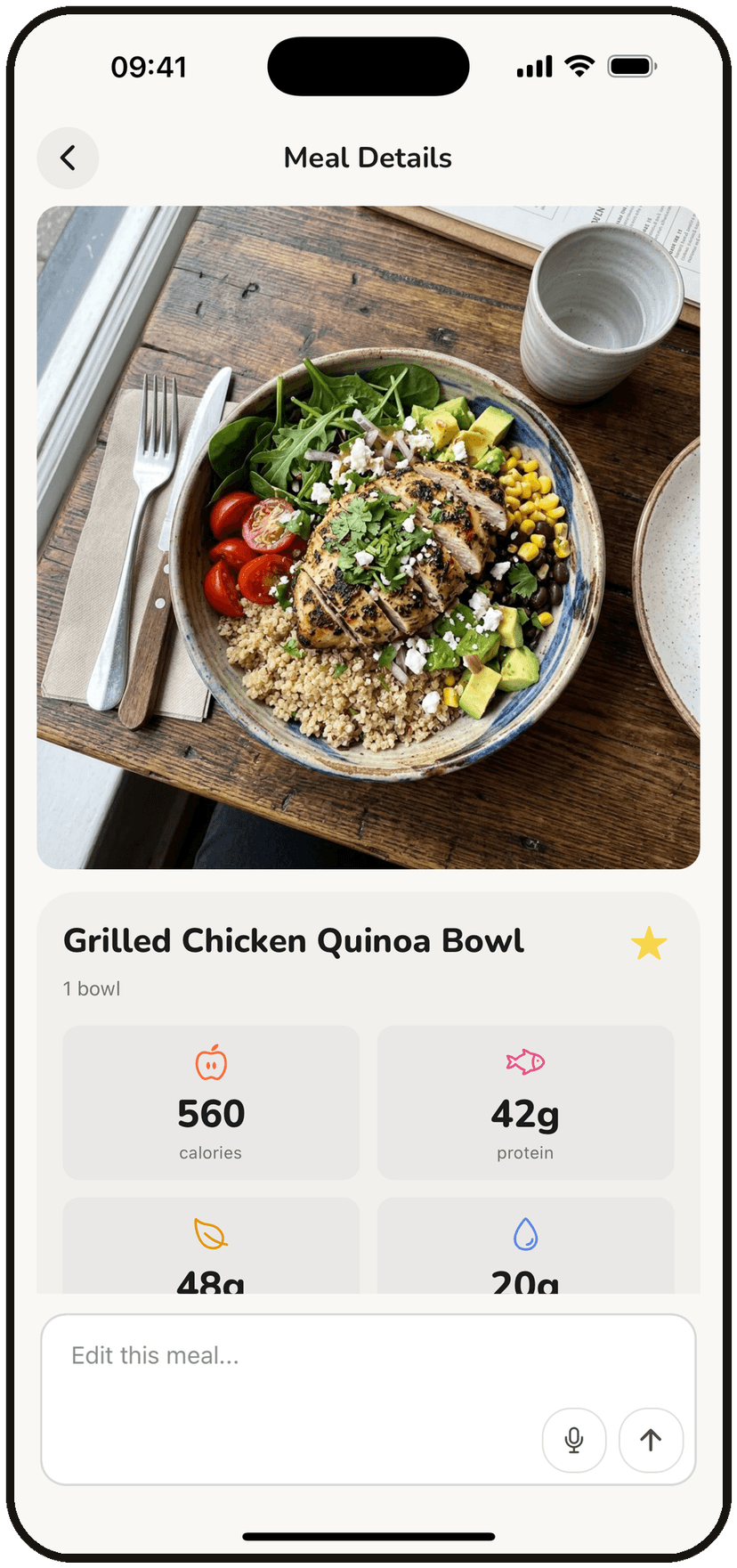
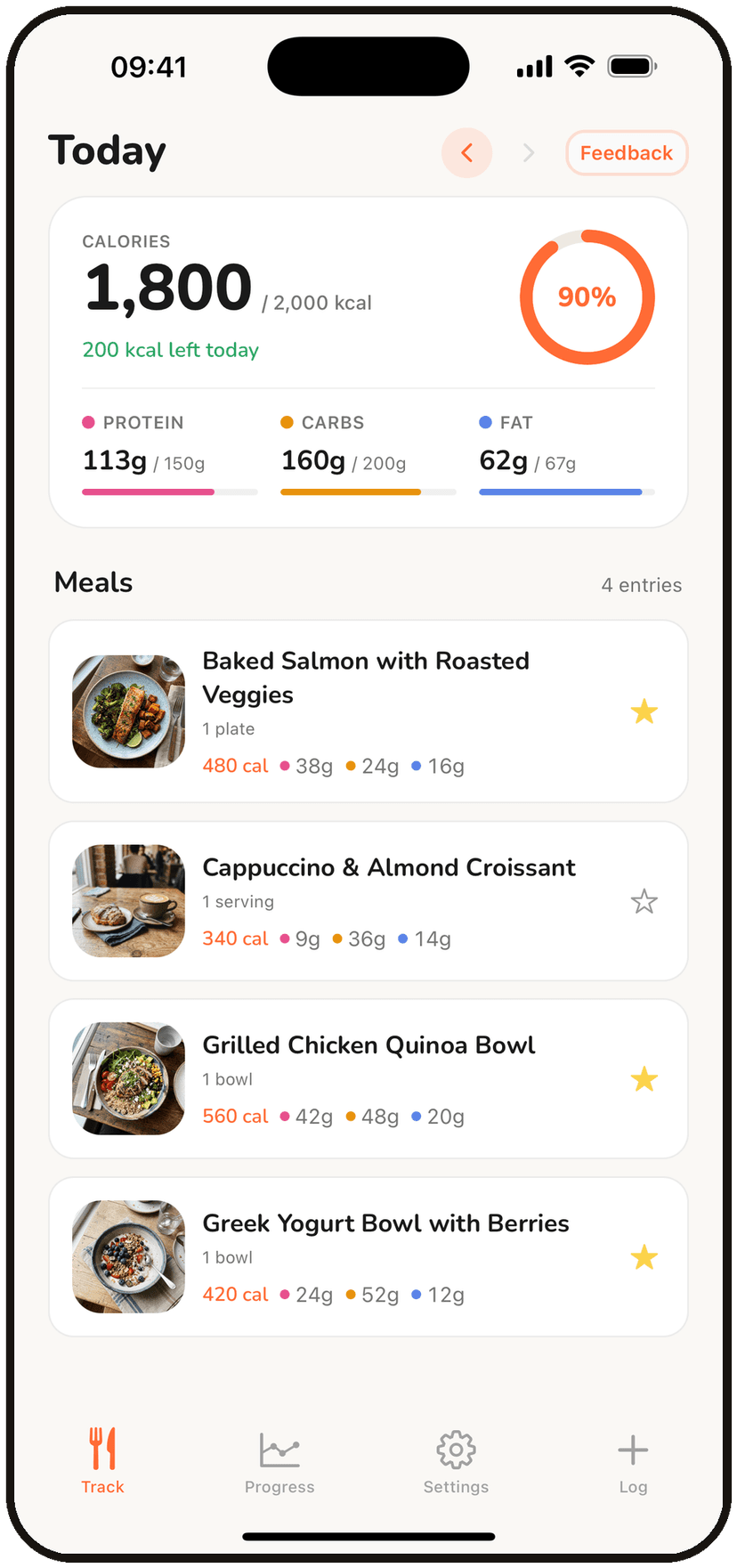
You're likely eating 500 calories more than you think
Portion guesses add up fast. BiteKit's AI reads your actual plate, so the number you track is the number you ate.
- Photo, voice, or text input
- Instant calorie & macro tracking
- Private by design — no password required
Free to download. No credit card required.
Scan to get the app