Paleo Diet Calculator
Calculate your optimal calories and macros for a paleo diet. Get personalized protein, fat, and carb targets plus whole-food serving recommendations based on your goals.
If provided, we'll use the more accurate Katch-McArdle formula
What is the Paleo Diet?
The paleo diet, also known as the caveman diet or ancestral diet, is based on eating whole, unprocessed foods similar to what our hunter-gatherer ancestors consumed during the Paleolithic era. It emphasizes nutrient-dense foods and eliminates modern processed items that became common after the agricultural revolution.
People follow the paleo diet for various reasons including weight loss, improved energy levels, better digestion, reduced inflammation, and clearer skin. By focusing on whole foods and eliminating grains, legumes, dairy, and processed foods, the diet naturally provides high-quality nutrition without calorie counting for most people.
Paleo Diet Macro Ratios
The paleo diet uses a balanced macro split that prioritizes healthy fats while maintaining adequate protein and whole-food carbohydrates:
Protein (30%)
From grass-fed meat, wild-caught fish, and eggs. Protein supports muscle maintenance, satiety, and has the highest thermic effect of any macronutrient.
Fat (40%)
From animal fats, nuts, avocado, coconut oil, and olive oil. Healthy fats are your primary energy source and support hormone production and nutrient absorption.
Carbs (30%)
From vegetables, fruits, and sweet potatoes - never from grains or legumes. These whole-food carbs provide fiber, vitamins, and sustained energy.
Foods to Eat vs Avoid on Paleo
The paleo diet has clear guidelines on what to eat and what to eliminate. Here is a comprehensive breakdown:
Foods to Eat
- ✓Grass-fed beef, bison, lamb, pork
- ✓Wild-caught fish and seafood
- ✓Pasture-raised eggs
- ✓All vegetables (especially leafy greens)
- ✓Fruits (berries, apples, citrus)
- ✓Sweet potatoes and tubers
- ✓Nuts and seeds (almonds, walnuts, etc.)
- ✓Avocado, coconut oil, olive oil
- ✓Herbs and natural spices
Foods to Avoid
- ✗Grains (wheat, oats, rice, corn)
- ✗Legumes (beans, lentils, peanuts)
- ✗Dairy products (milk, cheese, yogurt)
- ✗Refined sugar and artificial sweeteners
- ✗Vegetable and seed oils (canola, soy)
- ✗Processed and packaged foods
- ✗Bread, pasta, and baked goods
- ✗Soda, juice, and sugary drinks
- ✗Alcohol (especially beer and cocktails)
Tips for Paleo Success
Prioritize Quality Protein
Choose grass-fed, pasture-raised, and wild-caught whenever possible. Quality protein sources provide better nutrient profiles and healthier fatty acid ratios.
Embrace Healthy Fats
Cook with coconut oil and ghee. Add avocado and nuts to meals. Healthy fats keep you full and provide sustained energy throughout the day.
Load Up on Vegetables
Fill half your plate with non-starchy vegetables. They provide essential fiber, vitamins, and minerals that support gut health and overall wellness.
Meal Prep Ahead
Batch cook proteins and roast vegetables in advance. Having paleo-friendly meals ready makes it easy to stay on track during busy days.
Frequently Asked Questions
What is the paleo diet?
The paleo diet is based on foods similar to what our ancestors ate during the Paleolithic era. It focuses on whole, unprocessed foods like grass-fed meats, wild-caught fish, eggs, vegetables, fruits, nuts, and seeds while eliminating grains, legumes, dairy, and processed foods.
What can you eat on a paleo diet?
You can eat grass-fed meats, wild-caught fish and seafood, eggs, all vegetables, fruits, nuts and seeds, sweet potatoes, avocados, coconut oil, olive oil, and natural herbs and spices. The focus is on nutrient-dense whole foods.
What foods should you avoid on paleo?
Avoid grains (wheat, oats, rice), legumes (beans, lentils, peanuts), dairy products, refined sugar, processed foods, vegetable and seed oils, artificial sweeteners, and most packaged snack foods. These were not part of the ancestral human diet.
What are the ideal macro ratios for paleo?
A common paleo macro split is 30% carbs, 40% fat, and 30% protein. Carbs come from vegetables, fruits, and sweet potatoes. Fat comes from animal fats, nuts, avocado, and coconut oil. Protein comes from grass-fed meat, wild fish, and eggs.
Can you lose weight on a paleo diet?
Yes, many people lose weight on paleo by eliminating processed foods, refined sugars, and grains. The higher protein and fat content helps control appetite. Use our calculator to set a moderate deficit for optimal fat loss results.
How is paleo different from keto?
Paleo focuses on food quality and eliminates processed foods, grains, legumes, and dairy while allowing moderate carbs from fruits and sweet potatoes. Keto focuses on macros, requiring very low carbs (under 50g) to achieve ketosis. Paleo allows more carbs and focuses on ancestral eating patterns rather than a specific metabolic state.
iPhone app · 3-day free trial
You're likely eating 500 calories more than you think
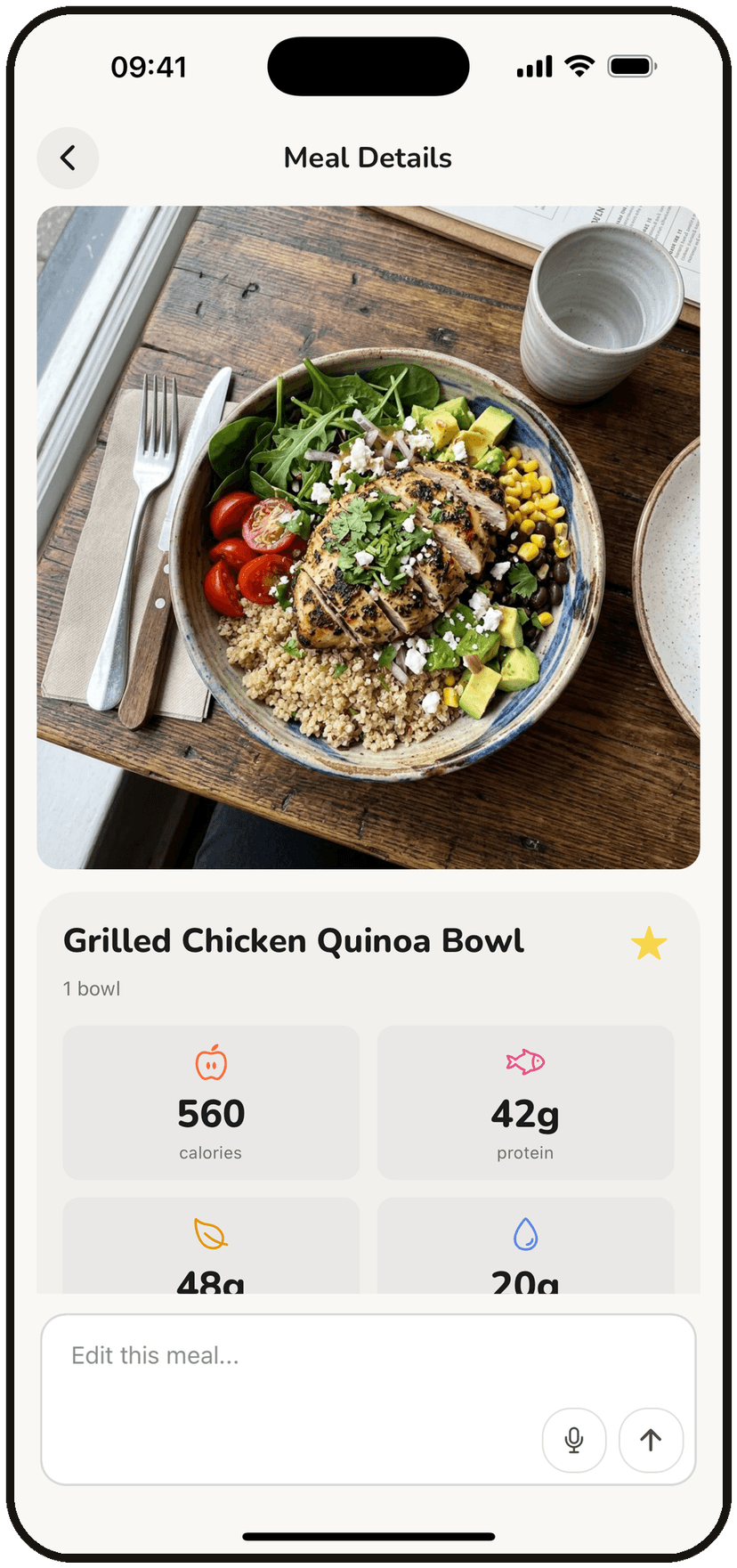
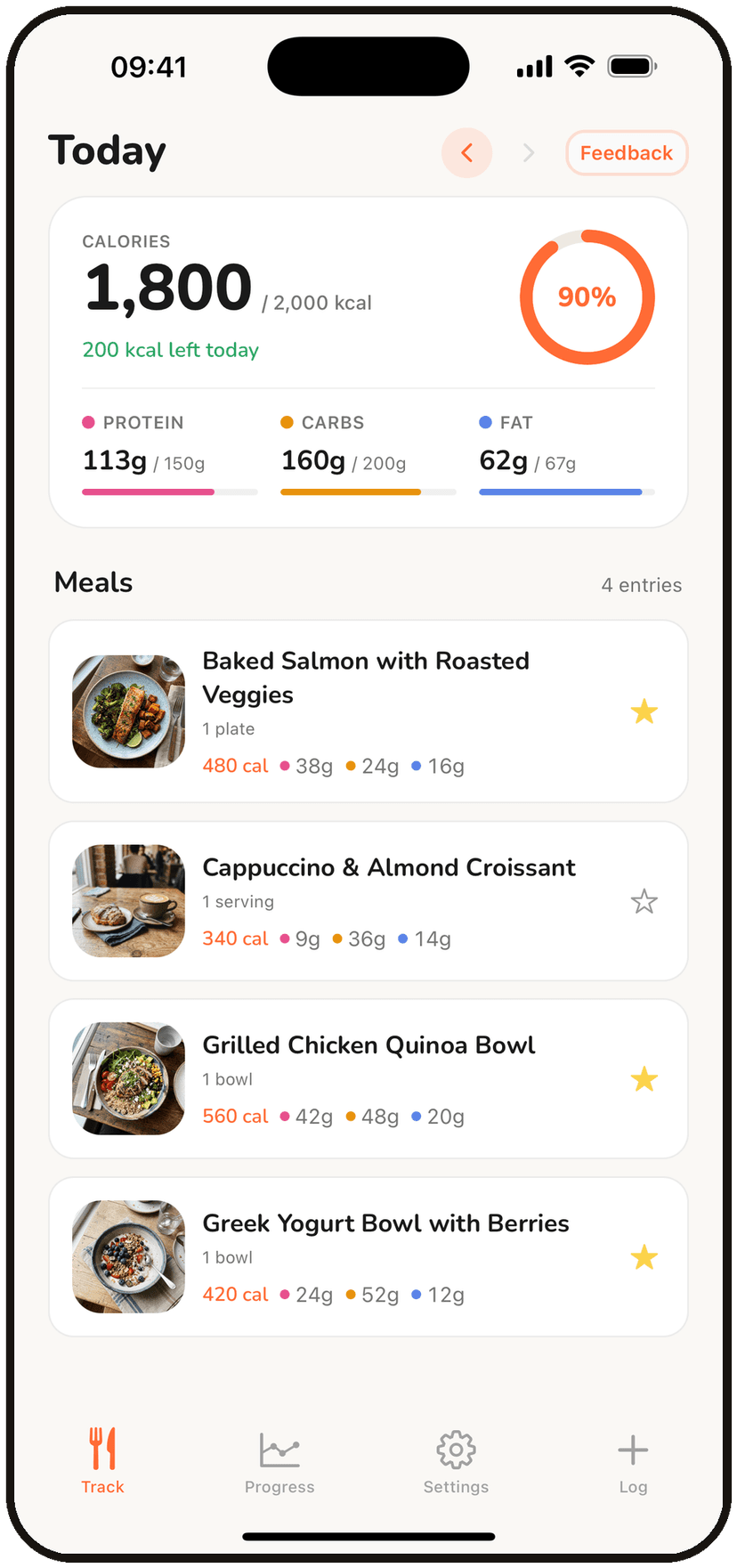
Portion guesses add up fast. BiteKit's AI estimates what's actually on your plate — oils, sides and all — so your log stays close to what you really ate.
- Log meals by photo, voice, or text
- Calories & macros estimated in seconds
- Syncs with Apple Health and Apple Watch
Free download · 3-day free trial, cancel anytime.
Scan with your iPhone camera