Vacation Body Calculator
Enter your trip date and current stats to get a realistic mini-cut plan that peaks your aesthetics for a specific date. No crash dieting — just a smart, time-adjusted approach to looking and feeling your best.
The Smart Approach to Getting in Shape for a Trip
The desire to look great on vacation is one of the most common motivators for short-term diet and fitness efforts. But the approach matters enormously. Extreme calorie restriction in the weeks before a trip produces muscle loss, energy crashes, and a metabolism that rebounds hard the moment you enjoy vacation food — exactly when you want to eat freely.
The smarter approach is a time-adjusted mini-cut: a deficit calibrated to your specific timeline, high enough to produce real results, conservative enough to preserve muscle and energy. Combined with strategic anti-bloat tactics in the final week, this produces the best visual outcome safely.
How the Calculator Adjusts for Your Timeframe
Less than 2 weeks: Anti-Bloat Focus Only
With less than 2 weeks, significant fat loss is not possible without crash dieting. Instead, focus entirely on the anti-bloat protocol: reduce sodium, increase water, eliminate alcohol, and cut gas-producing vegetables. This can produce a visually meaningful difference with zero health risk.
2–4 weeks: Light Deficit (300–400 cal/day)
A light deficit removes water weight quickly, creates a small fat loss, and avoids the hormonal disruption of aggressive restriction. In 3–4 weeks, expect 1.5–3 lbs of real fat loss combined with visible reduction in water retention.
4–8 weeks: Moderate Deficit (400–600 cal/day)
This is the optimal short-term transformation window. A moderate deficit produces 3–6 lbs of real fat loss while preserving muscle and energy. Visible results are expected within the first 2–3 weeks.
8–12 weeks: Healthy Deficit (500–750 cal/day)
With 8–12 weeks available, a meaningful body transformation is possible. The plan recommends a healthy deficit for the first 6–10 weeks, then tapers in the final 2 weeks to maintenance to restore glycogen and energy before your trip.
The Anti-Bloat Protocol: Why It Matters
Bloating and water retention are often more visible than actual body fat. On any given day, the body can hold an extra 3–7 lbs of water depending on sodium intake, hormone levels, alcohol consumption, and digestive activity. Strategically managing these variables in the days before your vacation can produce a dramatic visual difference — entirely separate from fat loss.
Sodium Reduction
Each gram of sodium causes the body to retain approximately 2–3g of water. Reducing sodium 3–5 days before your trip — by eliminating processed foods, sauces, and restaurant meals — can shed 2–4 lbs of water weight visibly.
Hydration
Counterintuitively, drinking more water (3–4 liters/day) reduces water retention. When the body is consistently well-hydrated, it stops holding emergency reserves. Combined with low sodium, this accelerates the flush of retained water.
Alcohol Elimination
Alcohol dehydrates, disrupts sleep, elevates cortisol, and directly increases water retention and facial puffiness. Eliminating alcohol for even 5–7 days before a trip produces noticeable visual improvements, particularly in the face and midsection.
Sleep
Poor sleep elevates cortisol, which directly increases water retention and promotes fat storage around the midsection. Prioritizing 7–9 hours of quality sleep in the week before your trip is one of the most underrated anti-bloat strategies.
Why Crash Dieting Before Vacation Backfires
Severely restricting calories (below 1,200 for women, 1,500 for men) for 2–4 weeks before a vacation is one of the most common and counterproductive approaches:
- Muscle loss: Without adequate protein and calories, the body cannibalizes muscle for energy, reducing definition and strength.
- Metabolic slowdown: Extreme deficits cause adaptive thermogenesis — the body lowers its metabolic rate, making the deficit smaller over time.
- Rebound on vacation: The moment you eat normally on vacation, the body rapidly restores glycogen and water, appearing to gain weight overnight.
- Low energy: Crash dieting depletes glycogen, leaving you fatigued — not ideal for enjoying an active, energetic vacation.
Frequently Asked Questions
How much weight can I lose before my vacation?
A safe rate is 0.5–2 lbs per week. With 8 weeks, you can realistically lose 4–10 lbs of fat. The calculator sets your deficit based on your specific timeframe to maximize results safely, without crash dieting.
What is the anti-bloat protocol?
The anti-bloat protocol involves reducing sodium, increasing water intake, eliminating alcohol, cutting cruciferous vegetables, and prioritizing sleep in the 3–5 days before your trip. It reduces water retention significantly — often producing a more visible change than the fat loss itself.
Is crash dieting before vacation safe?
No. Crash dieting causes muscle loss, metabolic slowdown, nutrient deficiencies, and rebound weight gain. This calculator sets the maximum safe deficit for your timeframe — delivering real results without the risks or the post-vacation rebound.
I only have 1 week — what should I do?
Focus entirely on the anti-bloat protocol. Dramatically reduce sodium, drink 3–4 liters of water daily, eliminate alcohol, avoid gas-producing foods, and prioritize sleep. These changes can produce a significant visual improvement within 5–7 days without any fat loss.
Should I exercise more before my vacation?
Continue your normal training but avoid dramatically increasing volume in the final 2 weeks. Over-training causes muscle swelling and fatigue that can look and feel worse temporarily. Nutrition and the anti-bloat protocol provide better results with less risk than emergency exercise binges.
What should I eat the week before my trip?
Focus on lean proteins (chicken, fish, eggs), fruits, and vegetables with low sodium preparation. Cut processed foods, sauces, and takeout — they are loaded with hidden sodium. Eliminate alcohol. Stay very well hydrated. This combination flushes retained water weight visibly.
iPhone app · 3-day free trial
You're likely eating 500 calories more than you think
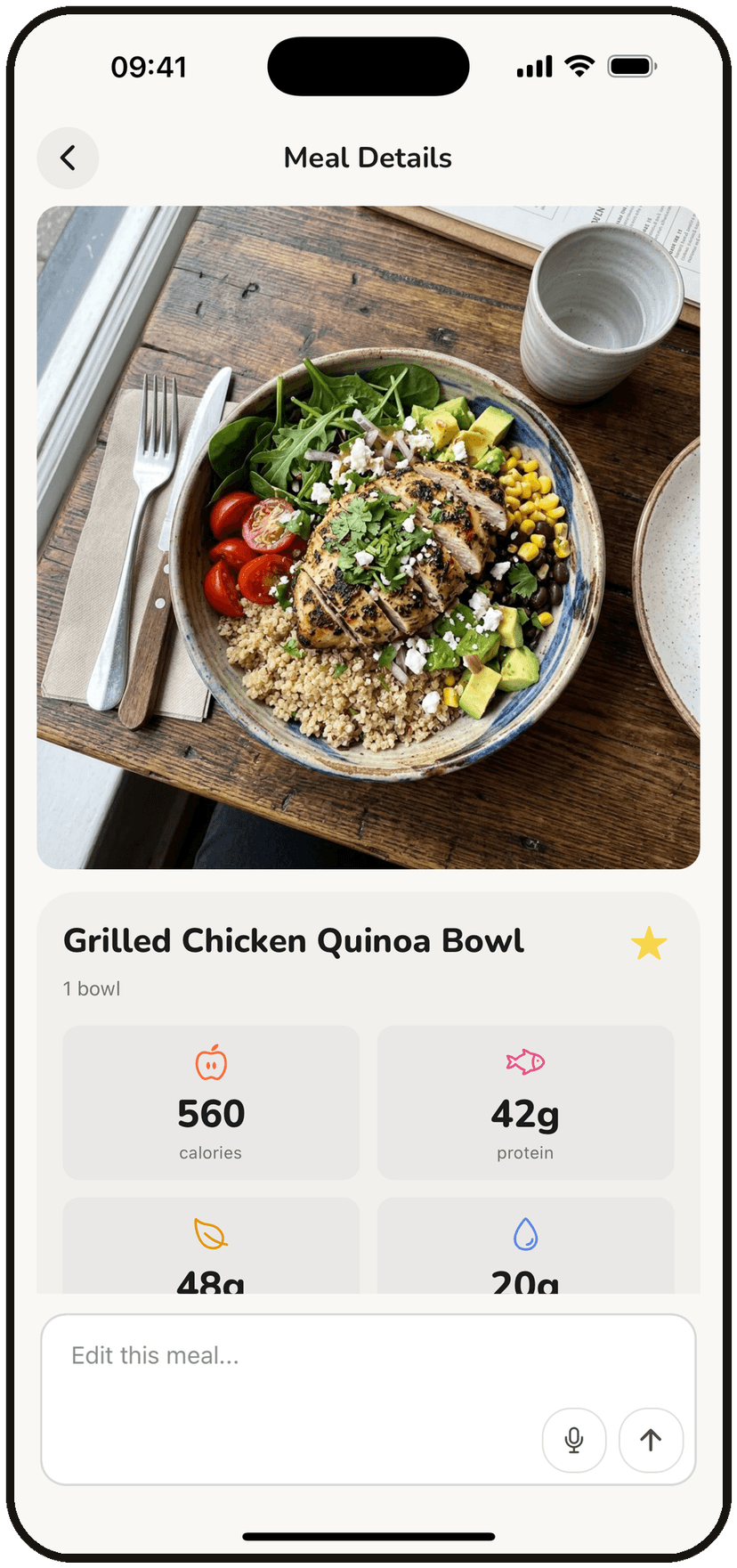
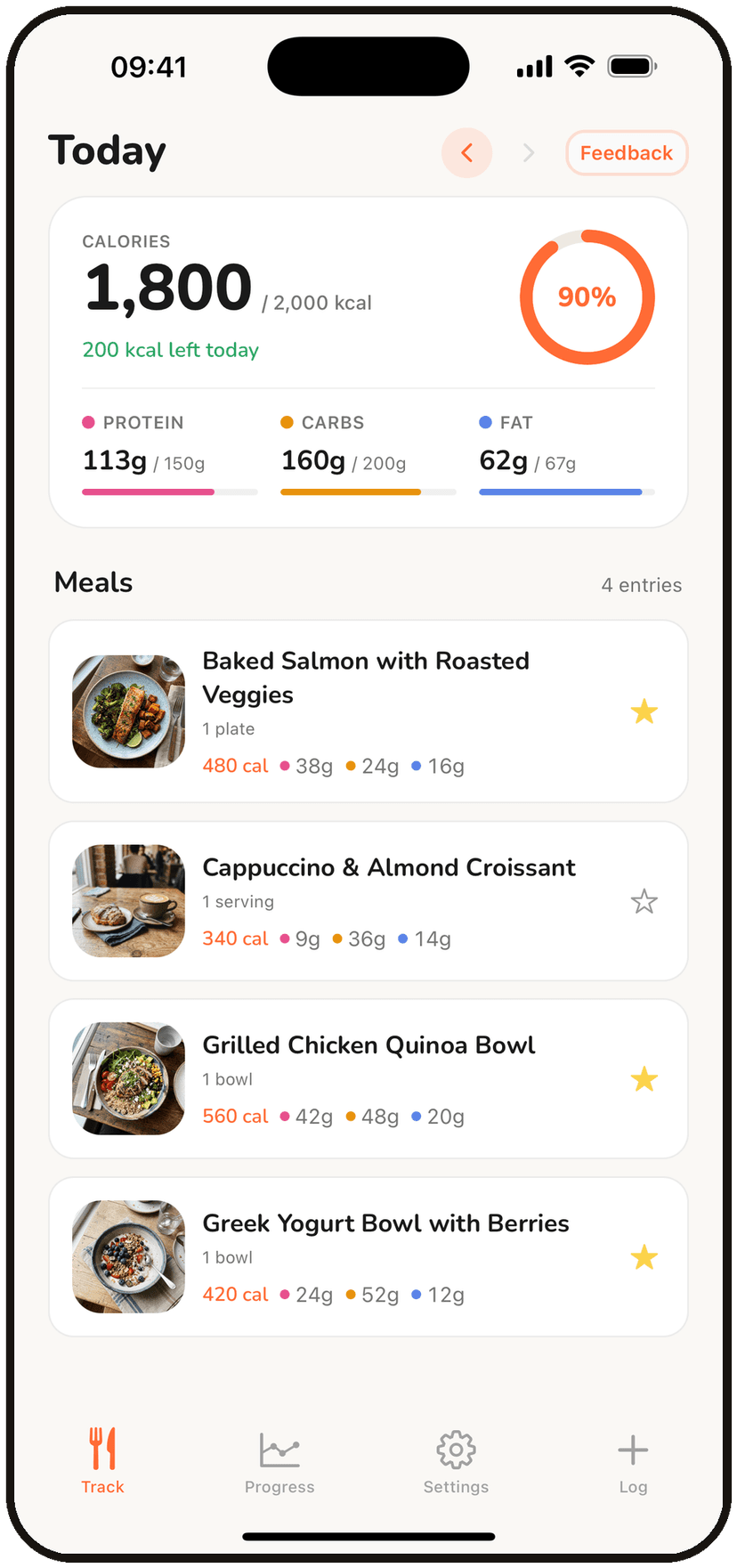
Portion guesses add up fast. BiteKit's AI estimates what's actually on your plate — oils, sides and all — so your log stays close to what you really ate.
- Log meals by photo, voice, or text
- Calories & macros estimated in seconds
- Syncs with Apple Health and Apple Watch
Free download · 3-day free trial, cancel anytime.
Scan with your iPhone camera