Does ACV Break a Fast? A Science-Backed Guide for 2026
Does ACV break a fast? Get an evidence-based answer. We explain calories, insulin, autophagy, and give practical tips for using ACV while fasting.
You wake up, skip breakfast, drink water, and feel good about staying inside your fasting window. Then the question hits. Someone online swears by apple cider vinegar for appetite control and blood sugar. Someone else says any calories ruin the fast.
That tension is real. You want the benefits of fasting, but you do not want to sabotage them with a wellness habit that sounds healthy and turns out to be counterproductive.
The short answer is reassuring. Standard servings of liquid apple cider vinegar typically do not break a fast. The longer answer is more useful, because fasting is not one single biological state. People fast for different reasons, and each goal has its own “line” for what counts as breaking the fast.
The Fasting Dilemma Is ACV Friend or Foe
A common fasting moment goes like this. You are several hours into your fast, not starving but definitely aware of your stomach, and you remember that bottle of ACV in the pantry. You have heard it may help with hunger. You have also heard it “contains calories,” which makes it sound risky.
Both ideas hold a piece of the truth.
ACV is not the same as a meal, a protein shake, or a sugary drink. It sits in a gray area that confuses people because fasting advice often gets oversimplified into rigid rules. “Only water.” “Anything with calories breaks a fast.” “Vinegar boosts fat burning.” The internet loves clean slogans. Human metabolism is less dramatic.
Why people get mixed messages
Part of the confusion comes from people using the word fasting to mean different things.
Some people care mostly about keeping calories very low. Others are trying to avoid an insulin rise. Some want to stay in ketosis. A smaller group is focused on autophagy, the cellular cleanup process that gets a lot of attention in longevity conversations.
ACV may fit comfortably into one of those goals and still make someone doing a stricter protocol uncomfortable. That does not mean the science is contradictory. It means the goal matters.
Key idea: The best answer to “does acv break a fast” starts with a second question. What kind of fast are you trying to protect?
The practical answer most readers need
If you are doing intermittent fasting for weight management, appetite control, or steadier blood sugar, liquid ACV in a small diluted serving is usually compatible with your plan.
If you are doing a stricter fast for extended periods and care about every possible variable, the conversation becomes more nuanced. Understanding the biology helps to clarify this. Once you know what “breaking a fast” means inside the body, ACV becomes much easier to judge.
What Breaking a Fast Means
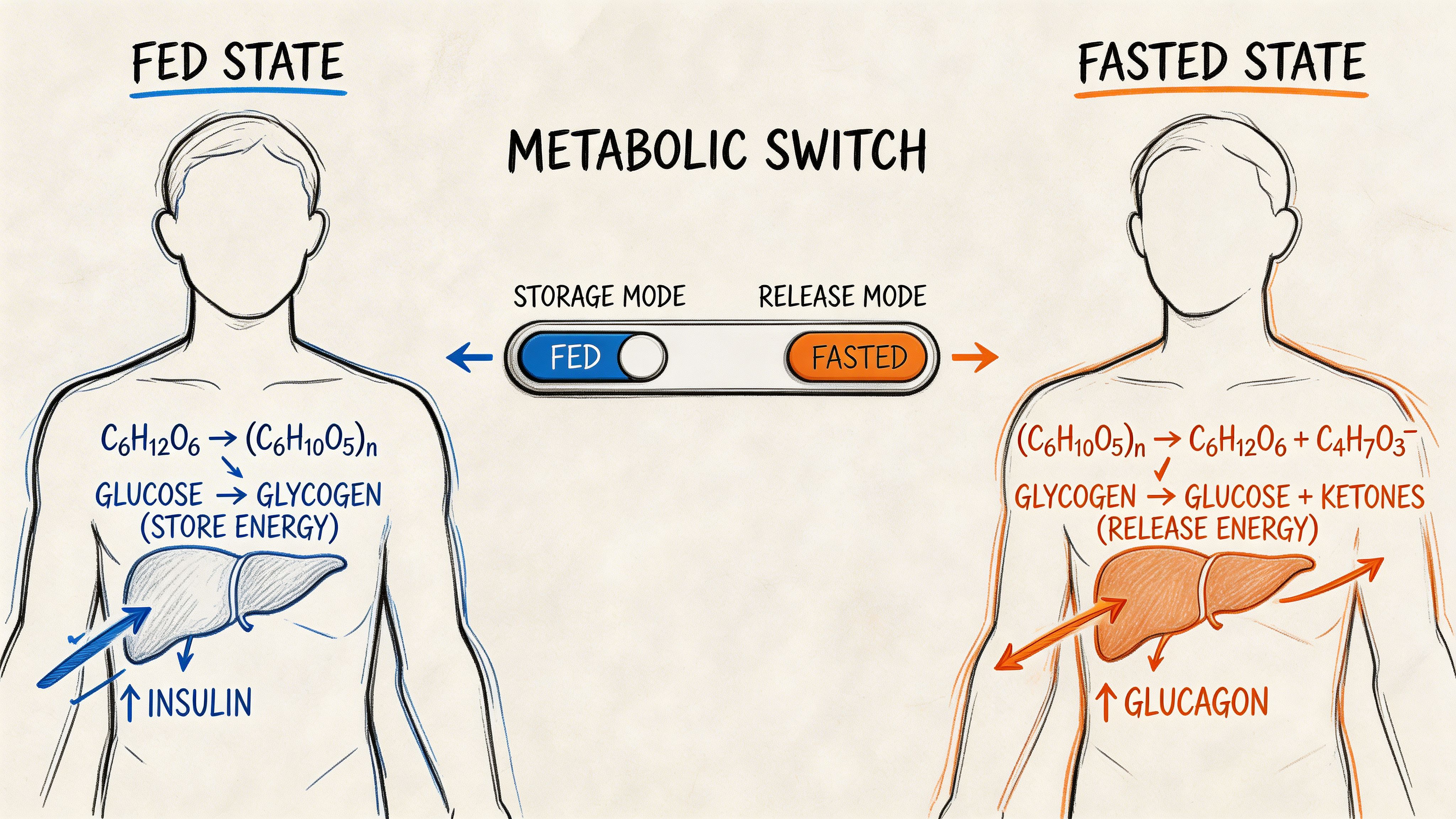
“Breaking a fast” sounds like one event, like flipping a light switch. In the body, it is closer to a set of switches. Different inputs change different processes.
If you have ever wondered why black coffee is often allowed while other drinks are debated, the same logic applies. This guide on can you drink black coffee while fasting is useful because it shows how fasting-friendly drinks are judged by metabolic impact, not by a simplistic yes-or-no label.
Caloric fasting
This is the easiest version to understand. If your goal is to avoid meaningful energy intake, then a fast is broken when you consume enough calories to count as feeding.
Think of this as your body’s budget view. If a meal is a paycheck, a tiny splash of something low-calorie is pocket change. It still exists, but it does not function like breakfast.
This is the version many beginners are using without realizing it. They are fasting to reduce overall intake, create structure, and avoid endless snacking.
Metabolic fasting
This one focuses less on calories and more on hormones, especially insulin.
Insulin acts like a storage key. When you eat carbohydrate or protein, insulin helps the body move nutrients into storage or use. During fasting, insulin stays lower, which helps shift your body away from meal processing and toward using stored fuel.
A food or drink can be low in calories but still matter if it triggers a noticeable insulin response. That is why some “healthy” products are less fasting-friendly than they sound.
Ketogenic fasting
Ketosis is about fuel source. During fasting, the body leans more on stored fat and ketones instead of incoming glucose from food.
The carbohydrate load is an important factor. A small amount may do very little. A larger amount can nudge the body back toward glucose use.
A simple analogy helps. Your body can run on two main fuel tanks. Fasting pushes it toward the fat-based tank. Enough carbs tell it to switch back.
Autophagic fasting
This is the strictest and most misunderstood category.
Autophagy is the cell’s cleanup and recycling process. It is often described as taking out damaged parts and reusing useful pieces. One pathway involved here is mTOR, which responds strongly to amino acids. You can think of mTOR as a pause signal for cleanup when building materials are plentiful.
That is why protein is usually the biggest concern in an autophagy-focused fast. The issue is not only calories. It is whether the body receives signals that say, “Stop cleanup. Resources are coming in.”
| Fasting goal | Main thing that interrupts it | Simple way to think about it |
|---|---|---|
| Caloric fasting | Meaningful energy intake | Did I feed the body? |
| Metabolic fasting | Insulin response | Did I turn on storage mode? |
| Ketogenic fasting | Enough carbs to shift fuel use | Did I push the body back toward glucose? |
| Autophagic fasting | Signals tied to amino acids and mTOR | Did I pause cellular cleanup? |
Once you separate these goals, the ACV question becomes much less fuzzy.
The Nutritional Profile of Apple Cider Vinegar
Apple cider vinegar is mostly water plus acetic acid, the compound that gives it its sharp smell and sour bite. Nutritionally, it is sparse. That is the main reason it stays in the fasting conversation.
According to Vively’s review of whether apple cider vinegar breaks a fast, apple cider vinegar contains approximately 3 calories and less than 1 gram of carbohydrates per tablespoon, and intake under 10 calories generally is not expected to spike insulin levels or interrupt a fasted state. The same source notes that liquid ACV has shown effects on fasting blood glucose, while ACV gummies will break a fast because of added sugars and higher caloric content.
What matters inside that tablespoon
The important point is not that ACV is “zero” in a strict chemistry sense. It is that the amount is so small that it behaves very differently from food.
If a full meal is like tossing logs on a fire, ACV is more like a spark. It exists, but it does not create the same physiological shift.
That helps explain why people often tolerate it during fasting windows without losing the effects they care about.
Liquid ACV and ACV gummies are not the same thing
Many people are misled by this.
A bottle of plain liquid ACV is one product. A gummy marketed as “apple cider vinegar support” is another. Gummies often come with sweeteners, fillers, and a much more meal-like profile. Even if the label highlights vinegar, the fasting impact comes from the ingredients surrounding it.
For readers who want a broader lifestyle look at how people use vinegar beyond fasting, this article on unlock the natural power of apple cider vinegar gives useful context. For fasting, though, the distinction is simple: plain diluted liquid ACV is the form under discussion, not candy-like supplements.
Why the form changes the answer
Use this quick comparison when shopping or deciding what to take during a fasting window:
- Plain liquid ACV: Low calorie, very low carbohydrate, usually the fasting-friendly option.
- Gummies: Added sugars and extra calories make them a poor fit for fasting.
- Capsules: More variable. Some include fillers, so the label matters.
Practical takeaway: If your question is “does acv break a fast,” make sure you mean liquid apple cider vinegar diluted in water, not a flavored supplement.
How ACV Affects Each of Your Fasting Goals
Once you know what your fast is trying to protect, the answer gets precise instead of vague. Standard liquid ACV servings fit most fasting goals surprisingly well.
If your goal is calorie control
For people using intermittent fasting as a structure for eating less, ACV is usually a non-issue.
A standard serving is so small in energy terms that it does not behave like a snack or mini-meal. If your main target is staying inside a fasting window without adding meaningful intake, ACV generally fits.
That is why many people treat it more like black coffee or unsweetened tea than like food.
If your goal is steady insulin and blood sugar
At this point, ACV becomes more interesting than “it probably does not matter.”
According to this review discussing ACV and fasting physiology, ACV does not break a fast when consumed in standard servings because it contains only 0.01 to 3 calories and less than 1 gram of carbohydrate per tablespoon, which is too little to trigger a significant insulin or glucose response. The same source notes that acetic acid has minimal insulinogenic effects and may help by blunting post-meal glucose and insulin spikes when paired with meals.
That matters for readers fasting to improve metabolic control. In plain language, ACV is not just “allowed.” It may support the same blood sugar stability many people want from fasting in the first place.
Key takeaway: If your fast is about avoiding the fed-state hormone pattern, ACV is far less disruptive than anything sugary or protein-based.
If your goal is staying in ketosis
Ketosis depends on keeping carbohydrate intake low enough that your body continues leaning on fat and ketones for fuel.
ACV’s carb load is tiny, so for most intermittent fasters it is not enough to matter in a practical sense. A tablespoon of diluted vinegar is not comparable to fruit juice, milk, or even many flavored waters.
The easier way to think about it is this. Ketosis is disturbed by substantial carb intake, not by a trace amount in a sharply acidic liquid.
If your goal is autophagy
Autophagy-focused fasters often become most anxious concerning this.
Autophagy-focused fasters worry about anything entering the body because they do not want to interfere with cellular cleanup. That caution makes sense. But the key signal here is not acidity. It is the kinds of nutrients that tell the body to shift into growth and building mode.
ACV does not bring in protein or amino acids, which are the major concern for mTOR activation. Therefore, it is not generally viewed as a meaningful autophagy disruptor in the way a collagen drink, amino acid supplement, or protein coffee would be.
That said, strict purists may still choose water-only fasting to minimize every variable. That is a preference for maximal strictness, not proof that ACV acts like a meal.
A quick decision guide
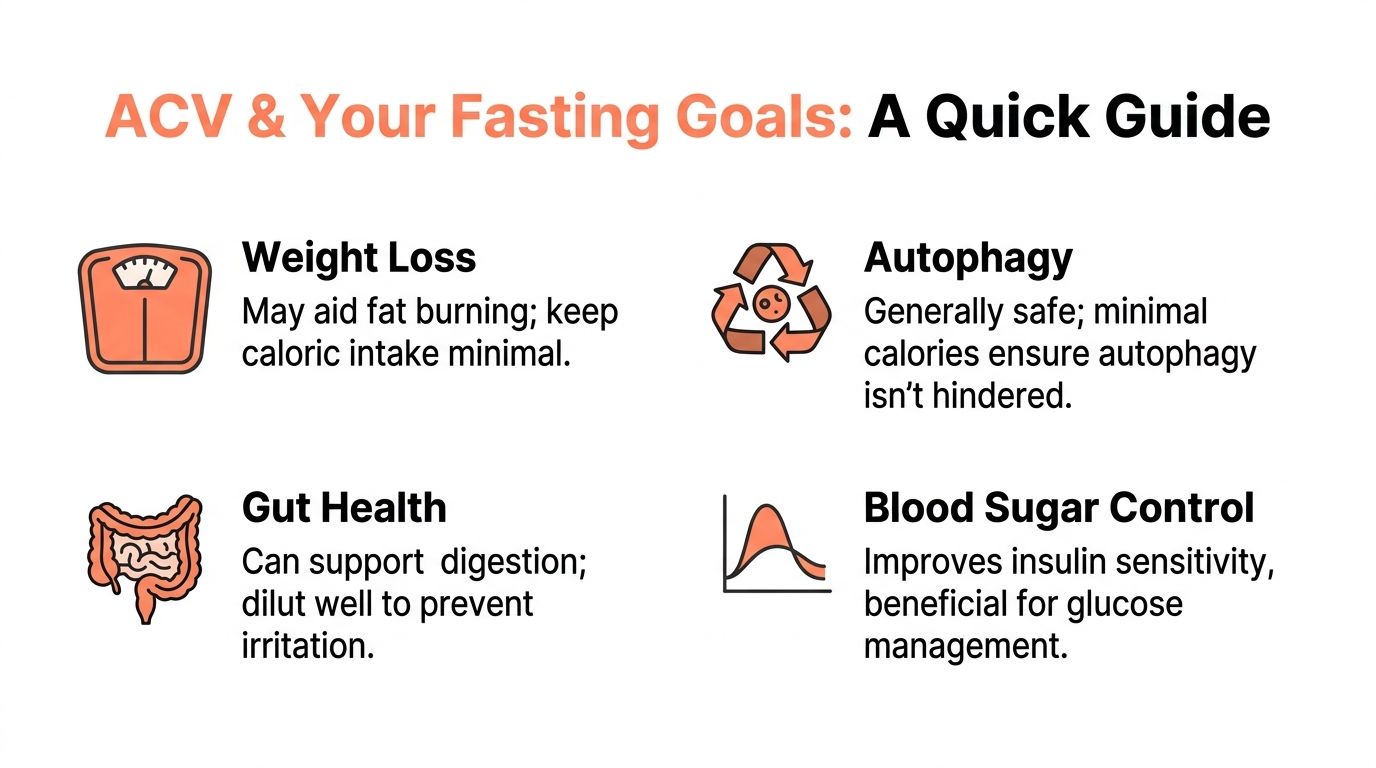
- Weight loss fasting: Usually compatible.
- Blood sugar focused fasting: Often compatible, and may be helpful.
- Ketosis focused fasting: Generally fine in standard diluted amounts.
- Autophagy focused fasting: Usually acceptable, though strict water-only fasters may still avoid it.
If you are timing longer fasting windows and want a simple tool to stay consistent, this autophagy fasting timer can help you map your routine without guessing.
A Practical Guide to Using ACV While Fasting
Knowing ACV is usually fasting-friendly is one thing. Using it safely is another.
The simplest safe routine
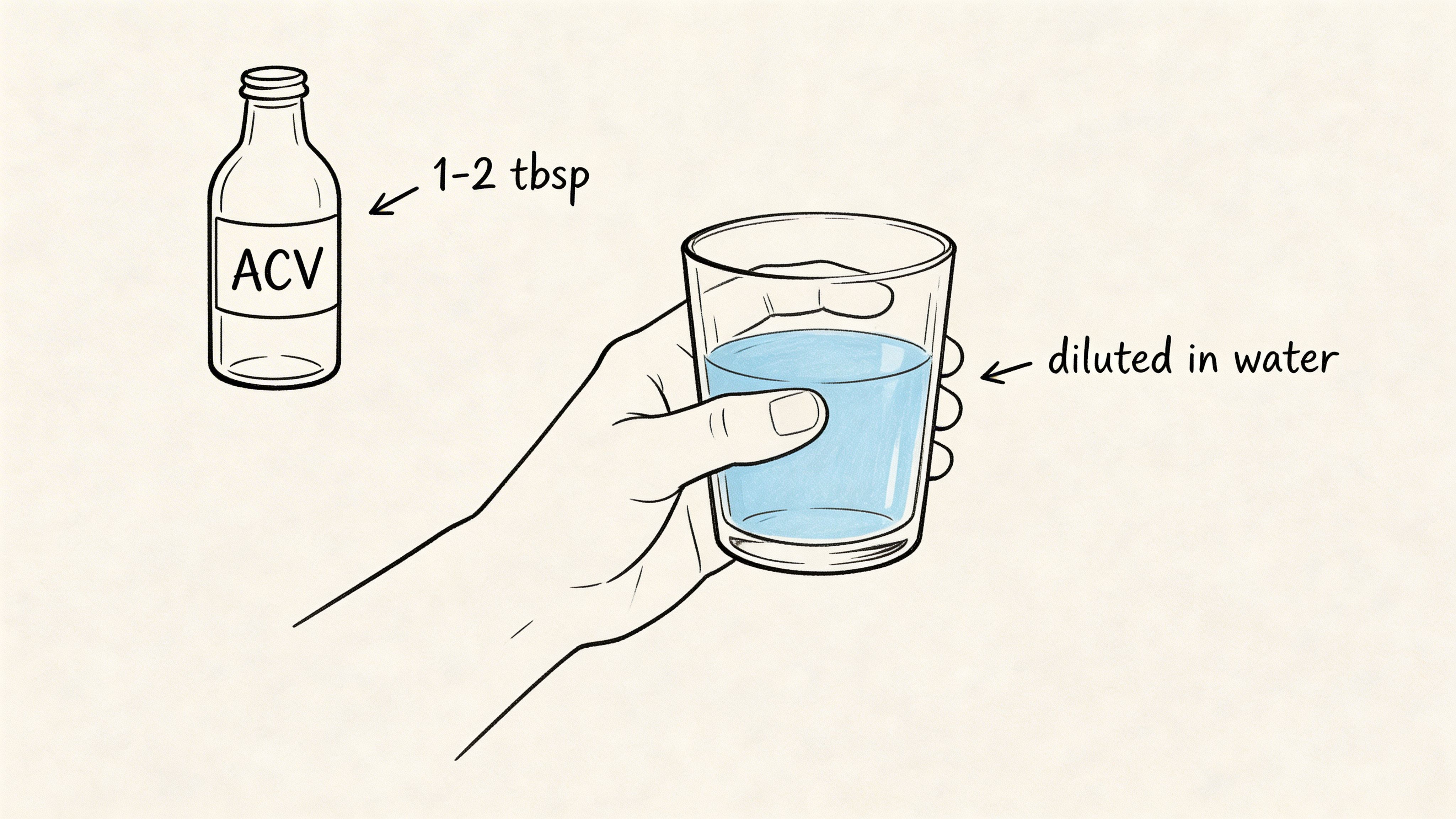
Registered dietitian guidance cited by Vively recommends 1 to 2 tablespoons diluted in at least 8 ounces of water once or twice daily during fasting windows. Another source in the verified data suggests 8 to 16 ounces of water as a practical dilution range.
That tells you two things right away. First, ACV should be diluted, not taken straight. Second, more is not automatically better.
How to use it without making fasting harder
A straightforward routine looks like this:
- Start small. If you are new to ACV, begin with the lower end instead of jumping into a strong drink on an empty stomach.
- Dilute it well. The point is not only taste. Acidity can be harsh on teeth and the upper digestive tract.
- Use it when hunger rises. Many people prefer it during the part of the fast when cravings show up.
- Skip the extras. Do not turn it into a tonic with honey, juice, or sweeteners if your goal is to stay fasted.
Tip: If ACV makes your stomach feel off, stop forcing it. A fasting aid that creates nausea is not helping your routine.
When timing may matter
Some people like ACV during the fasting window itself. Others prefer it near the first meal of the day.
If your main goal is appetite management, taking diluted ACV during a hunger wave may feel useful. If your main goal is smoother blood sugar around meals, using it closer to your eating window may make more sense.
The key is keeping the practice simple enough that it does not become another rigid rule.
A broader guide to fasting-friendly drinks can help if you are comparing ACV with coffee, tea, electrolytes, and other options. This article on what can I drink while fasting is a good companion read.
Common mistakes to avoid
- Taking it straight: This increases the chance of irritation.
- Buying gummies instead of liquid: The marketing sounds similar. The fasting effect is not.
- Using huge amounts: More acidity is not the same as better results.
- Treating it like a cure-all: ACV can support a routine. It cannot replace sleep, food quality, or consistency.
A quick visual explanation can make the dosing advice easier to remember.
Long-Term Risks and Emerging 2026 Research
ACV gets talked about as though the only question is whether it breaks a fast. That is too narrow.
The better question is whether it remains a good idea when used regularly over time, especially during stricter fasting patterns.
The old concern is still real
The most obvious issue is acidity.
Undiluted or frequent ACV use can be rough on dental enamel and may irritate the mouth, throat, or stomach in some people. This does not mean ACV is dangerous for everyone. It means the form and frequency matter.
The newer concern is the microbiome
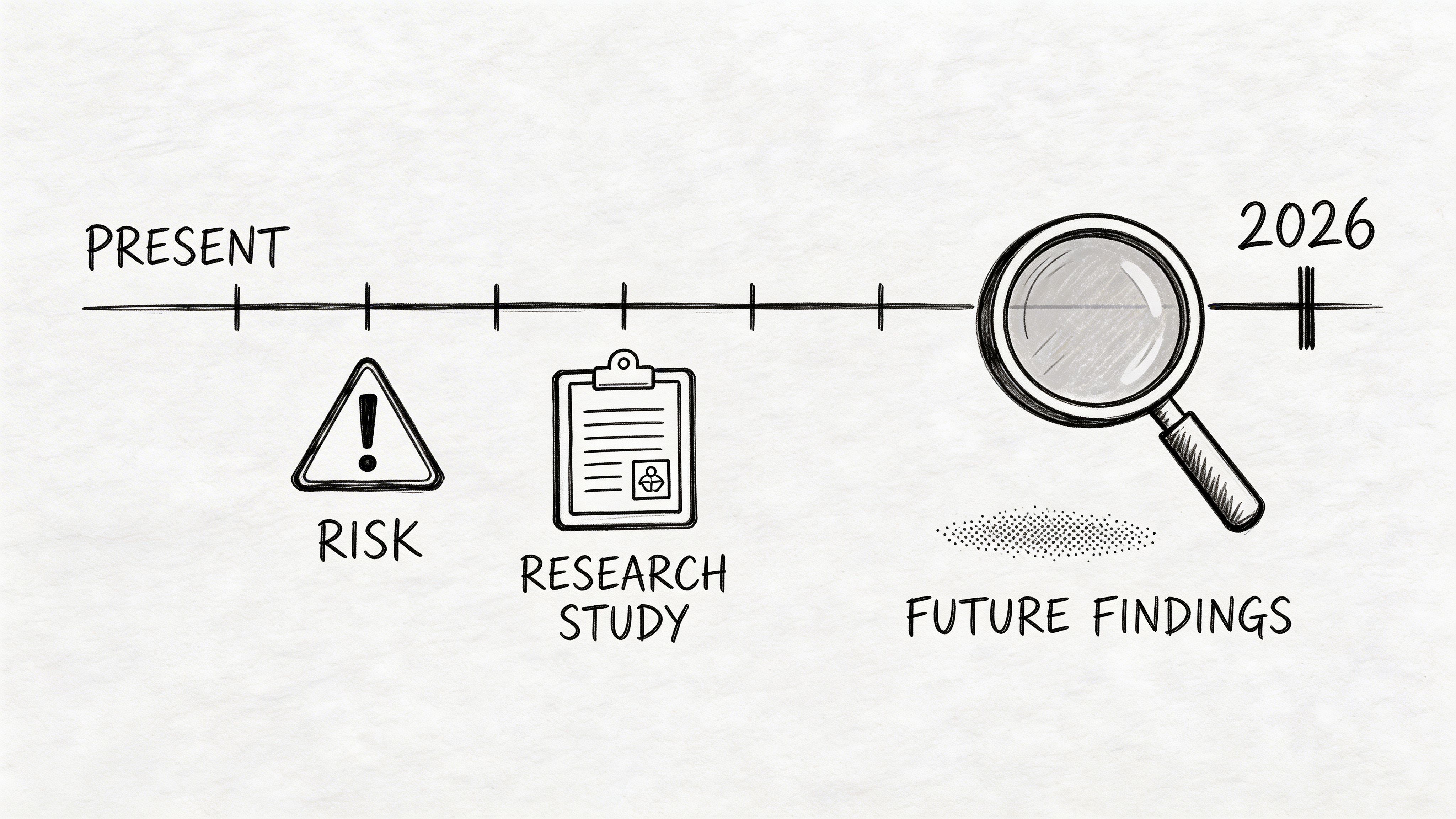
A more interesting wrinkle comes from emerging research summarized by Hone Health’s discussion of whether apple cider vinegar breaks a fast. That source describes a 2025 Gut Microbes pilot study in which daily ACV use during OMAD fasting reduced Akkermansia muciniphila by 25% in some participants, raising questions about whether chronic use could interfere with some benefits people hope to get from fasting.
This does not overturn the practical advice that ACV usually does not break a fast. It does add caution to the “more is always better” mindset.
How to apply that nuance in real life
If you use ACV occasionally or in a modest fasting routine, the immediate concern is usually tolerance and safe dilution.
If you use it every day for long stretches, especially during more aggressive fasting protocols, it makes sense to stay observant. Pay attention to digestive comfort, reflux, and whether a habit that once felt helpful starts feeling irritating.
You can also look at your broader metabolic context instead of focusing only on one ingredient. Tools like this insulin resistance calculator can help frame the bigger picture when blood sugar control is part of your reason for fasting.
Balanced view: ACV can be useful. Daily, long-term use during extended fasting is less settled than the internet often suggests.
Final Verdict Your Fasting Strategy with ACV
For most intermittent fasters, does acv break a fast? No. In standard diluted liquid servings, it is generally compatible with fasting.
The reason is not magic. It is metabolism. ACV is very low in calories and carbohydrates, does not act like a meaningful insulin trigger in standard servings, does not bring in protein that would strongly affect mTOR, and is unlikely to interfere with ketosis in practical fasting routines.
The details still matter.
Keep these rules in mind
- Choose liquid ACV, not gummies
- Dilute it in water
- Use moderate servings
- Stop if it irritates your teeth, throat, or stomach
- Be more cautious with daily long-term use during extended fasting protocols
If your fasting style is simple and sustainable, ACV can be one small tool in the toolbox. Not a miracle. Not a loophole. Just a low-impact option that may help with appetite or blood sugar management when used correctly.
If you want to track meals, fasting windows, calories, and macros without turning nutrition into a chore, BiteKit makes logging fast with photos, voice, or simple text. It is a practical way to keep your routine consistent while you test what works for your body.