Butter Popcorn Calories: The Ultimate Guide for Trackers
Curious about butter popcorn calories? This guide breaks down movie, microwave, and homemade popcorn, with tips for accurate tracking and lower-calorie swaps.
You buy popcorn because it feels like part of the movie. Then the tracking brain kicks in.
Was that bowl a light snack, a full meal’s worth of calories, or something in between?
That confusion is completely reasonable. Butter popcorn calories vary a lot, and the gap between one version and another can be massive. A plain bowl at home and a theater tub with butter topping aren’t remotely the same food from a calorie-tracking perspective.
The good news is that popcorn doesn’t need to become a “forbidden food.” It just needs a better estimate. Once you understand what changes the numbers, you can enjoy it with far less guesswork.
The Unavoidable Allure of Butter Popcorn
The smell gets you first. You may have been planning to skip concessions, but once that warm, salty, buttery aroma hits, your plan starts to wobble.
That’s not a lack of willpower. It’s a food that’s designed to be appealing, easy to eat, and strongly tied to habit. For a lot of people, popcorn is part of the entertainment itself.
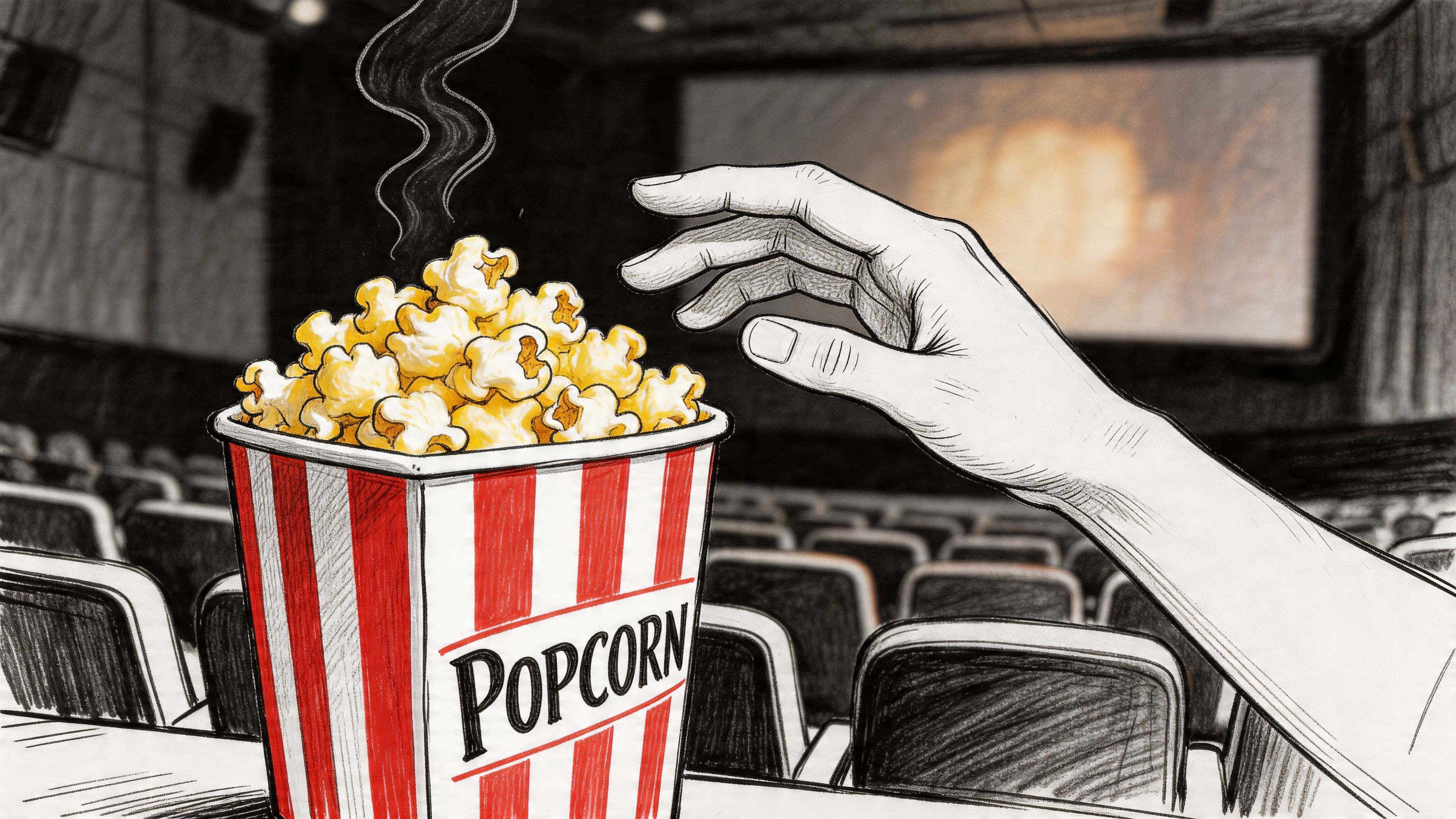
The tricky part is that the phrase “butter popcorn” sounds simple, but it covers very different foods. It might mean air-popped popcorn with a light butter spray. It might mean a microwave bag made with oil and butter flavoring. Or it might mean theater popcorn that was popped in oil and then topped again.
Why people underestimate it
The misjudgment of popcorn isn't due to carelessness. It occurs because popcorn is bulky and light.
A giant container can look less calorie-dense than it really is. Your eyes see fluff. Your body gets a concentrated mix of starch, oil, and flavoring.
Popcorn is one of those foods where the serving container often tells you less than the preparation method.
That’s why guilt isn’t useful here. Information is. If you know what kind of popcorn you’re looking at, how it was prepared, and roughly how much topping it carries, you’re already making a smarter choice than many others in line at the theater.
The Calorie Spectrum of Butter Popcorn
Butter popcorn covers a wide range. A homemade bowl with a light butter spray and a movie theater tub may both be called "butter popcorn," but they behave very differently in your calorie log.
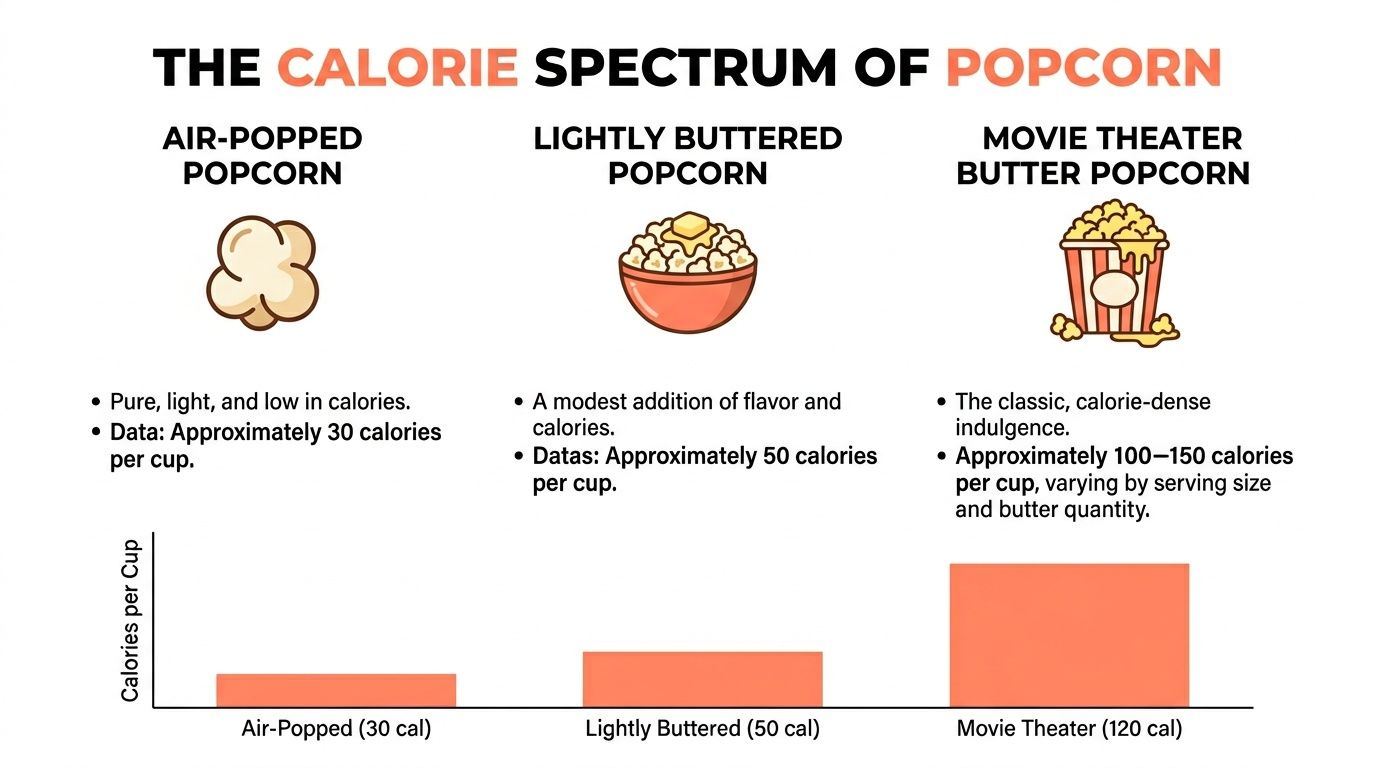
A useful way to size it up is to picture three tiers: light, middle, and heavy. The light tier is popcorn with little or no added fat. The middle tier includes many microwave butter products. The heavy tier is theater popcorn, where the oil used for popping and the topping added afterward can stack up fast.
Light end: plain or lightly buttered popcorn
Air-popped popcorn gives you the cleanest baseline. It is still a grain with calories, but it is much less energy-dense than versions cooked in oil or soaked with buttery topping.
That baseline matters because it gives you a starting point for estimating. If your bowl looks fluffy, dry, and only lightly coated, your estimate should stay closer to plain popcorn than to theater popcorn.
Middle range: microwave butter popcorn
Microwave butter popcorn often sits in the middle because the bag can hide a lot of oil and flavoring. One brand may be fairly moderate per popped cup, while another is closer to a small meal once you finish the whole bag.
The practical lesson is simple. Log the bag if you have the package. Log by popped cups if you served it into a bowl. If you are unsure, treat it as more calorie-dense than plain popcorn and less extreme than a theater tub unless the popcorn feels visibly greasy.
If you like comparing how different fats change the math, this overview of olive oil vs butter calories helps explain why a modest pour can shift a snack upward quickly.
Heavy end: theater-style butter popcorn
The theater version is where estimates often drift far from reality. The container is large, the popcorn is airy, and the topping is easy to underestimate. A better mental model is this: you are not only logging popped kernels. You are also logging the cooking fat and any extra buttery topping layered on after popping.
That is why two buckets that look similar can land very differently in your tracker. One may be lightly seasoned. Another may carry enough added fat to change the calorie density of the whole serving. Using a caloric density calculator for foods that look big but pack more energy per bite can make that difference easier to spot.
Here is the takeaway for real-world logging:
- Plain or lightly buttered popcorn: lower calorie density, easier to fit into a snack budget
- Microwave butter popcorn: moderate to high, depending on brand, bag size, and how much you eat
- Theater butter popcorn: high, especially if extra topping was added
If you use a photo logger or voice entry tool such as BiteKit, this spectrum gives you a practical script. "About 4 cups lightly buttered popcorn" belongs near the light end. "Half a bag of microwave movie butter popcorn" fits the middle. "Large theater popcorn with extra butter" belongs at the heavy end. That kind of rough sorting is often more accurate than guessing one fixed number for every kind of butter popcorn.
Key Factors That Inflate Popcorn Calories
A bowl of popcorn gets calorie-heavy for three main reasons. The kernels matter. The fat used to pop them matters more. The topping and portion size often matter most.
Oil changes the whole equation
Plain popcorn starts as a relatively simple grain. Once you pop it in oil, each kernel carries extra fat before any topping even shows up.
That’s why “homemade” doesn’t automatically mean low calorie. Home popcorn can be very light, or it can become rich fast depending on how much oil goes into the pot.
If you cook popcorn on the stovetop, using an oil calorie calculator for cooking fats is one of the easiest ways to tighten your estimate.
Butter flavor is often mostly fat
A lot of people picture a small pat of melted butter. Theater-style topping is often much more concentrated than that mental image suggests.
One verified reference puts butter popcorn at about 45 to 50 kcal per 10g serving, with fat contributing 60 to 70% of calories from butter flavorings. That same source notes slower gastric emptying and reports postprandial triglycerides 25% higher than whole grains in this context (NutritionValue).
That doesn’t mean popcorn is “bad.” It means a butter-heavy version behaves less like a plain whole-grain snack and more like a starch-plus-fat combo food.
Practical rule: If the popcorn tastes glossy, rich, and intensely buttery, assume the calories came more from added fat than from the kernels themselves.
Portion distortion is real
Popcorn takes up a lot of visual space. That’s helpful for fullness, but it also makes people trust the bucket instead of the calorie load.
A medium tub at the movies can look like a shareable snack and still deliver far more energy than expected. At home, eating straight from the microwave bag creates the same problem on a smaller scale. You stop paying attention to servings because the package feels like “one snack.”
A better approach is to ask three questions:
- How was it popped
- What was added after popping
- Am I estimating the container, or the actual amount eaten
Those questions won’t make the number perfect, but they’ll make it much closer.
How to Accurately Estimate and Log Popcorn Calories
You pour butter popcorn into a bowl, log “1 serving,” and move on. Later, you realize the serving on the label referred to unpopped kernels, the bowl held closer to two servings, and the extra butter spray never made it into your log.
That kind of miss is common because popcorn expands, containers vary, and “butter popcorn” can describe several very different foods. The fix is to estimate it the same way you would estimate cooked pasta or cereal. First identify the version, then match it to the right unit, then add anything poured on top.
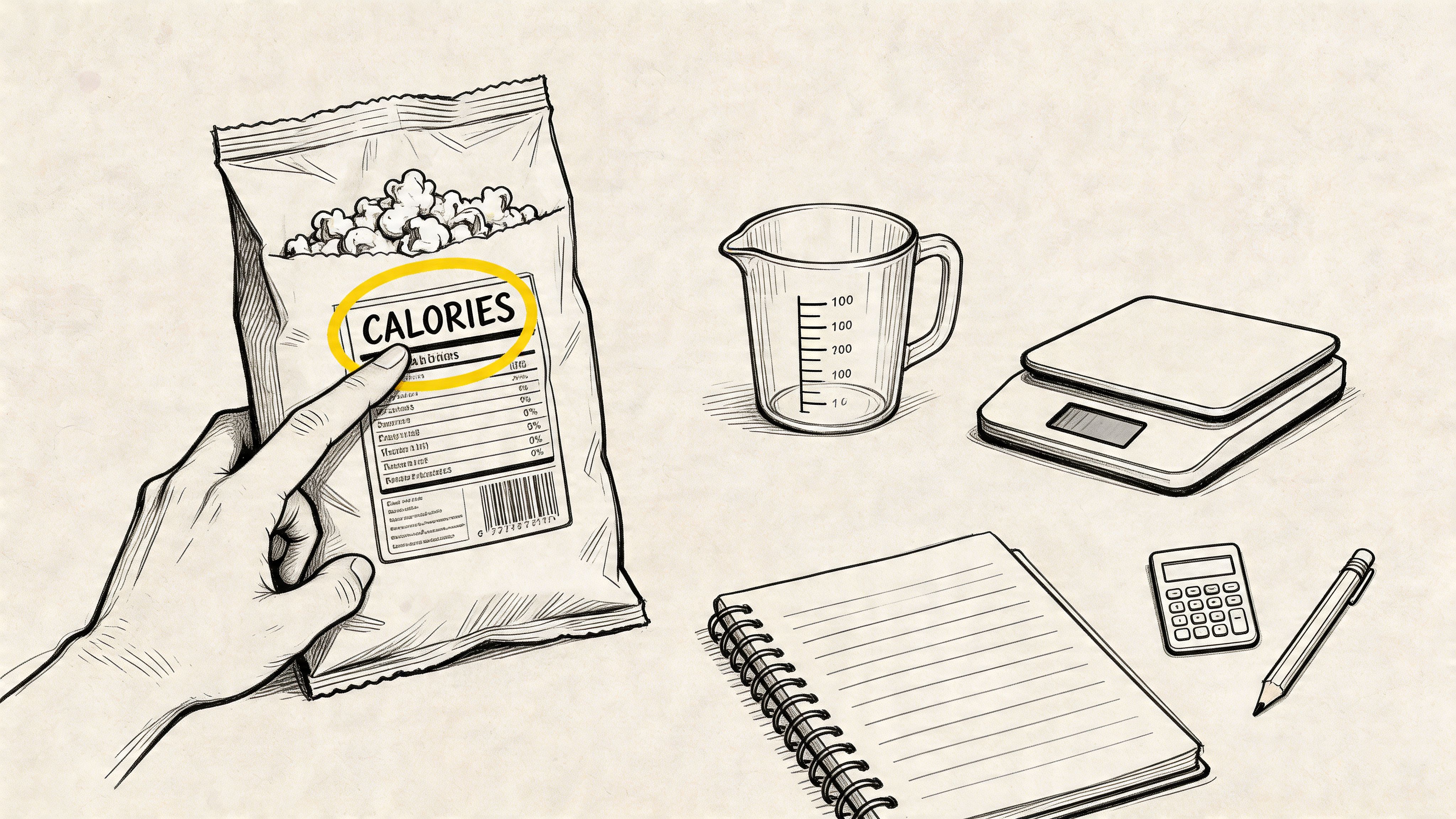
For microwave popcorn, start with the label
Microwave popcorn gives you the best chance of getting close because the package gives you a serving framework. The catch is that the framework often starts with unpopped kernels, while you are eating a big pile of popped popcorn.
Treat the label like a recipe card. It tells you what went into the bag before heat changed the size and texture. If the bag lists multiple servings, logging the whole bowl as one serving will usually undercount what you ate.
If label wording throws you off, this guide on how to read nutrition labels can help you sort out serving size, servings per container, and whether the calories refer to the prepared or unprepared product.
A simple habit helps a lot. Log the bag before you open it, then adjust only if you share it or leave some behind.
For bowls, calibrate your usual portion once
A bowl works like a measuring shortcut only after you teach yourself what that bowl holds.
Use a measuring cup with your usual snack bowl once or twice at home. Fill it with popped popcorn and count how many cups fit comfortably. After that, your eye gets better. You are no longer guessing from the size of the bowl alone. You are comparing it to a reference you already built.
This is also where modern logging tools can save time. If you use a photo or voice logger such as BiteKit, give it context that a picture cannot capture on its own: “microwave butter popcorn, about 5 cups, ate three quarters of the bowl, added one small drizzle of butter spray.” A photo shows volume. Your voice note adds the details that usually change calories.
For restaurant or theater popcorn, use the closest match
Movie theater popcorn is harder because you often have a tub size, a brand name if you are lucky, and very little else. As noted earlier, theater-style butter popcorn can vary a lot. Your goal is not perfection. Your goal is choosing the closest entry and making a reasonable adjustment.
Start with the container size. Then ask two questions: was it a butter-flavored popcorn only, or did liquid butter topping go on after? Did you finish the tub, share it, or refill it?
Those details matter more than tiny differences between database entries.
If you added butter topping, log that separately when possible. A “medium theater popcorn” and a “medium theater popcorn with extra butter” are closer to two different snacks than one small variation.
This walkthrough helps if you prefer a visual explanation before trying a more consistent method:
A simple logging checklist
Use this order when you want a fast estimate that is still useful:
-
Identify the type
Air-popped, microwave butter, kettle-style, or theater butter. -
Choose the best unit
Whole bag, cups popped, or the closest menu or database entry. -
Add the extras
Butter topping, oil, cheese powder, caramel drizzle, or candy mixed in. -
Log what you ate
Half the tub means half the entry. Shared snacks count too. -
Save a reference for next time
A quick photo, voice note, or saved meal entry makes repeat logging much easier.
Consistency beats precision you cannot repeat. If your method lets you estimate the same snack the same way each time, your calorie log becomes much more useful for weight loss, maintenance, or understanding your habits.
Smarter Swaps for Popcorn Lovers
If you love popcorn, the best strategy usually isn’t cutting it out. It’s changing the version you eat most often.
A few small swaps can keep the experience satisfying while bringing butter popcorn calories down in a way that feels sustainable.
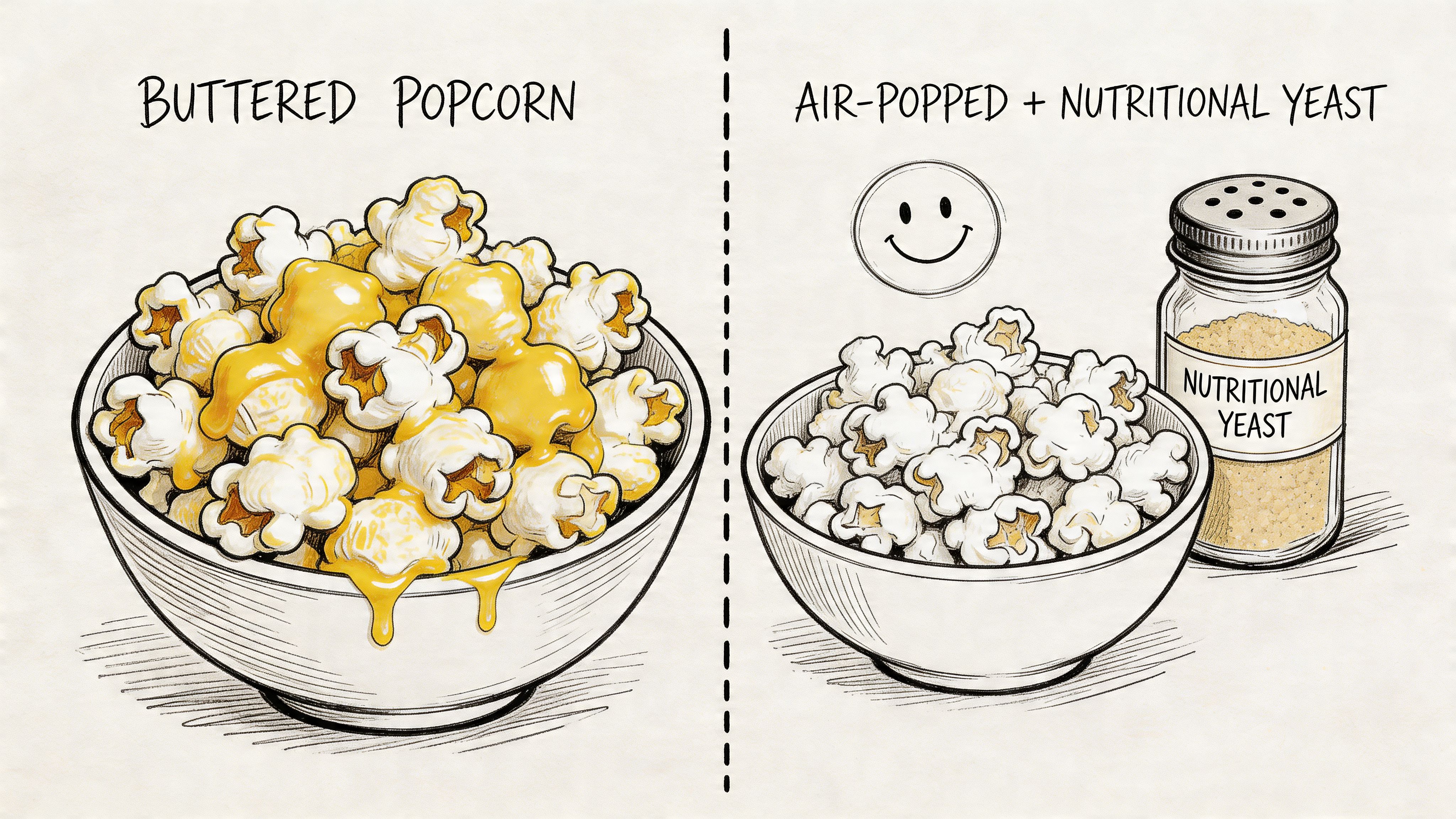
Better ways to keep the flavor
Air-popped popcorn is the obvious starting point, but it doesn’t need to taste bland.
Try options like these:
- A light mist instead of a pour: A small spray helps seasoning stick without soaking the popcorn.
- Savory flavor boosters: Nutritional yeast, smoked paprika, garlic powder, and black pepper can add depth without recreating theater-style heaviness.
- Serve it in a bowl: Eating from the bag makes it harder to notice how much you’ve had.
What to look for in store-bought versions
“Light butter” isn’t always perfect, but it can be a useful middle ground. Verified data notes that recent developments in 2025 to 2026 show a trend toward lighter palm oil-based butter styles that can reduce calories by 20 to 40% compared with traditional recipes, with some products dropping from 170 calories per serving to around 100 to 120 (FatSecret).
Because that reference discusses a future-dated product trend, treat it as a developing category rather than a guarantee that every newer popcorn is lighter.
The most realistic mindset
You don’t need to turn every bowl into diet food. You just need to decide what role it plays.
If it’s a planned indulgence, enjoy it and log it thoughtfully. If it’s a default weeknight snack, make the lower-calorie version easier to reach.
The smartest swap is the one you’ll repeat without feeling deprived.
Popcorn Calorie Quick Reference and FAQs
A quick reference works best when it helps you make a fast, realistic estimate. Popcorn is one of those foods that can look light but swing widely in calories depending on the bowl, bag, butter, and topping style. Use this table like a field guide, not a math test.
Butter Popcorn Calorie Cheat Sheet
| Popcorn Type & Serving | Estimated Calories |
|---|---|
| Small butter-free AMC popcorn | 300 |
| Small cinema butter popcorn, 48g | 315 |
| Jolly Time butter popcorn, 1 popped cup | 35 |
| Standard 3.5 oz bag microwave movie theater butter popcorn | 400 to 500 |
| Medium AMC popcorn without added butter | 1,200 |
| Large refillable AMC tub | 1,080 |
| 1 tablespoon theater butter topping | 130 |
Why do microwave labels use unpopped measurements
Because popped popcorn is inconsistent by design. One bag can end up fluffy and voluminous, while another has more unpopped kernels and a smaller final yield. Listing the serving in unpopped tablespoons gives manufacturers a steadier reference point than “one bowl” or even “one cup popped.”
For logging, that matters. If you eat the whole bag, log the whole bag. If you split it, divide the bag into halves or thirds instead of guessing from the size of the bowl.
Is popcorn good for weight loss
It can be, especially when the popcorn itself stays relatively light and the extras stay controlled.
Plain popcorn tends to give you a lot of chewing volume for fewer calories than snack foods like chips. Butter popcorn changes that equation because added oil and butter flavoring raise the calories quickly without adding much fullness. The easiest way to think about it is density. Airy popcorn starts out like a puffy winter coat. Butter turns it into the same coat with weights sewn into the lining.
If your goal is fat loss, popcorn can still fit. The version and portion are what matter most.
How much does extra theater butter matter
More than many people expect.
A topping pump or heavy pour can shift popcorn from “reasonable snack” to “meal-sized calorie hit” fast. That is why theater popcorn is often under-logged. People remember the bucket but forget the butter.
If you saw butter added in layers, or the popcorn tastes glossy and saturated, log on the higher end of the range.
What’s the easiest way to avoid under-logging
Match your log to the form you ate:
- Whole microwave bag if you finished the bag
- Measured cups if you made it at home and portioned it out
- Closest theater size if you bought it at the movies
- Add a butter entry if topping was pumped on or poured over
A good estimate beats a perfect guess that never gets logged.
One practical method is to use a quick note or photo the moment you start eating. If you use BiteKit, you can snap a photo of the bucket or microwave bag, say “medium butter popcorn with extra topping,” and log it while the details are still fresh. That works well in real life, where popcorn rarely shows up in neat serving cups with nutrition labels attached.