10 Science-Backed Protein Shakes Recipes for Any Fitness Goal in 2026
Discover 10 delicious and easy protein shakes recipes. Backed by science for weight loss, muscle gain, and recovery, with macros for easy tracking.
Protein shakes are a cornerstone of modern fitness, but not all are created equal. This guide moves beyond simply mixing powder and water, exploring the science-backed principles for crafting effective protein shakes recipes. A well-designed shake isn't just a supplement; it’s a strategic meal that can accelerate results by targeting specific physiological responses.
We'll delve into how different ingredients impact muscle protein synthesis, promote satiety for weight management, and speed up post-exercise recovery. Understanding the 'why' behind each component is key. For example, adding fiber from oats can slow digestion and keep you full longer, while the timing of carbohydrate intake can replenish glycogen stores more effectively after a workout. Beyond just flavor, understanding the role of protein powder for weight loss can help you tailor your shakes to specific dietary goals.
This collection of recipes provides a blueprint for building shakes that are not only delicious but also precisely aligned with your body's needs. Each one includes macronutrient estimates and actionable tips for customization, helping you create a purposeful tool for your health journey. Whether you're building muscle, seeking a meal replacement, or simply boosting wellness, you will learn how to construct a shake that works for you.
1. Classic Whey Protein & Banana Shake
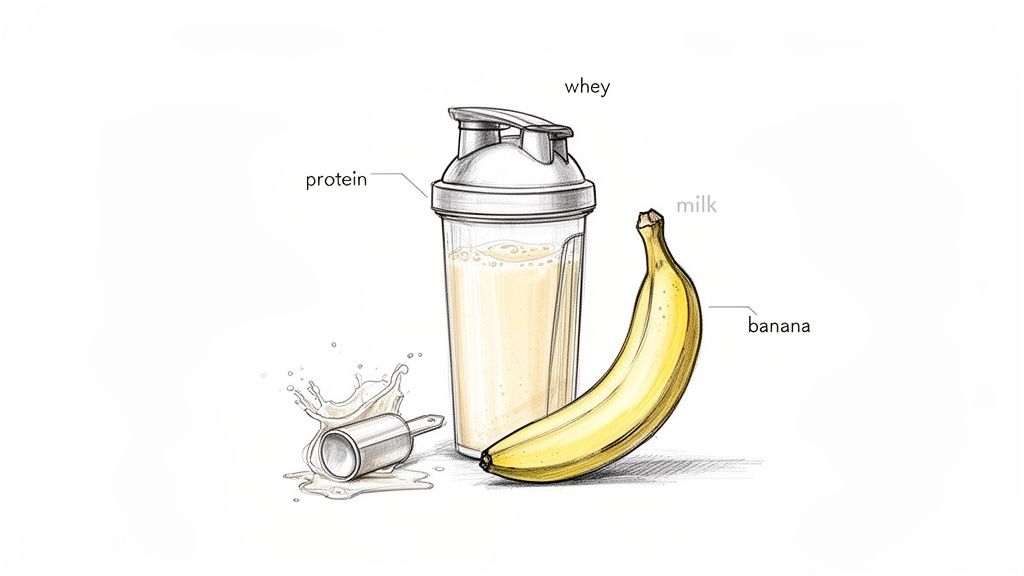
The Classic Whey Protein & Banana Shake is a cornerstone of post-workout nutrition for good reason. Its simplicity makes it one of the most effective and widely used protein shakes recipes. This blend combines fast-digesting whey protein, which is rich in essential amino acids like leucine, with natural carbohydrates from a banana. This combination is ideal for muscle repair and glycogen replenishment after intense exercise.
Why It Works for Recovery
Scientific evidence consistently shows that consuming protein and carbohydrates post-exercise enhances recovery. A 2017 meta-analysis in the Journal of the International Society of Sports Nutrition confirmed that protein intake stimulates muscle protein synthesis (MPS). The rapid absorption of whey protein, rich in leucine, quickly initiates this muscle repair process. Simultaneously, the simple carbohydrates from the banana replenish muscle glycogen stores, which is critical for restoring energy and preparing for the next training session.
Example Recipe:
- Ingredients: 1 scoop vanilla whey protein powder, 1 medium banana, 250ml (about 1 cup) low-fat milk.
- Approximate Macros: ~280 calories, 28g protein, 28g carbs, 5g fat.
Customization and Pro Tips
- Creamier Texture: Freeze banana chunks beforehand. This creates a thick, creamy consistency without needing ice, which can dilute the flavor and nutrient density.
- Protein Boost: Add 100g of plain Greek yogurt to increase the protein content to nearly 40 grams and introduce beneficial probiotics.
- Precise Tracking: For accurate macro counting in the BiteKit app, weigh your banana instead of logging it as "1 medium." This accounts for natural size variations. To explore more combinations and fine-tune your macros, you can use a protein shake builder to experiment with different ingredients.
2. Greek Yogurt & Berries Power Shake
The Greek Yogurt & Berries Power Shake is a nutrient-dense option that goes beyond simple protein delivery. This recipe is popular among nutritionists and weight-loss programs because it combines high-quality, slow-digesting casein protein from Greek yogurt with antioxidants and fiber from berries. This makes it a highly satiating shake, ideal for a weight-loss-focused meal or a filling snack that helps control hunger.
Why It Works for Satiety and Nutrient Intake
This shake's effectiveness for weight management lies in its high protein content and fiber. Research published in the American Journal of Clinical Nutrition demonstrates that high-protein diets increase satiety and lead to reduced calorie intake. The casein in Greek yogurt digests slowly, providing a sustained release of amino acids and prolonging feelings of fullness. Berries add fiber, which further enhances satiety, and are rich in anthocyanins—antioxidants shown to combat oxidative stress.
Example Recipe:
- Ingredients: 200g plain 0% fat Greek yogurt, 150g frozen mixed berries, 150ml unsweetened almond milk.
- Approximate Macros: ~220 calories, 28g protein, 18g carbs, 2g fat.
Customization and Pro Tips
- Sweetness Control: If you need extra sweetness, add 1 tablespoon of honey (adds ~64 calories and 17g carbs). Blend thoroughly for at least 30 seconds for a completely smooth texture.
- Cost-Effective & Consistent: Purchase frozen berries in bulk. They are available year-round, are often more affordable than fresh, and provide more consistent macro values for easier tracking.
- Accurate Logging: When logging this recipe in the BiteKit app, use the photo logging feature to capture the portion size of your berries. This is more accurate than estimating, ensuring your calorie and carb counts are precise.
3. Peanut Butter & Oats Muscle Building Shake
For those focused on gaining mass and strength, the Peanut Butter & Oats Muscle Building Shake is a powerhouse. This calorie-dense option is a staple in many protein shake recipes for bulking because it delivers a balanced profile of macronutrients. It combines complete protein for muscle synthesis, complex carbohydrates from oats for sustained energy, and healthy fats from peanut butter for satiety and hormone production. This makes it an ideal choice for a meal replacement or a post-workout recovery shake for hard gainers.
Why It Works for Muscle Gain
To build muscle, a caloric surplus is necessary, as confirmed by numerous studies on resistance training and hypertrophy. This shake provides a convenient way to achieve that surplus. The complex carbohydrates from oats offer a sustained energy release, preventing blood sugar spikes and crashes. The combination of protein and healthy monounsaturated fats from peanut butter slows gastric emptying, ensuring a steady supply of amino acids and nutrients to muscles over several hours, crucial for an anabolic state.
Example Recipe:
- Ingredients: 1 scoop chocolate protein powder, 2 tbsp (32g) natural peanut butter, 1/2 cup (40g) rolled oats, 300ml (about 1.25 cups) whole milk.
- Approximate Macros: ~560 calories, 41g protein, 45g carbs, 24g fat.
Customization and Pro Tips
- Prevent Clumping: To avoid a sticky mess at the bottom of your blender, add the milk and peanut butter first and blend for a few seconds before adding the other ingredients. This creates a smooth, even consistency.
- Control Macros: Opt for natural peanut butter with no added sugar or oils. This gives you control over your fat and carbohydrate intake for more precise tracking. If you're looking for other ways to reach your daily protein goals, you can learn how to eat more protein through various whole foods and supplements.
- Quick Logging: For fast and accurate tracking in the BiteKit app, use voice logging by saying "two tablespoons of peanut butter" and "one-half cup of oats" to instantly add the ingredients to your meal log.
4. Chocolate Avocado Wellness Shake
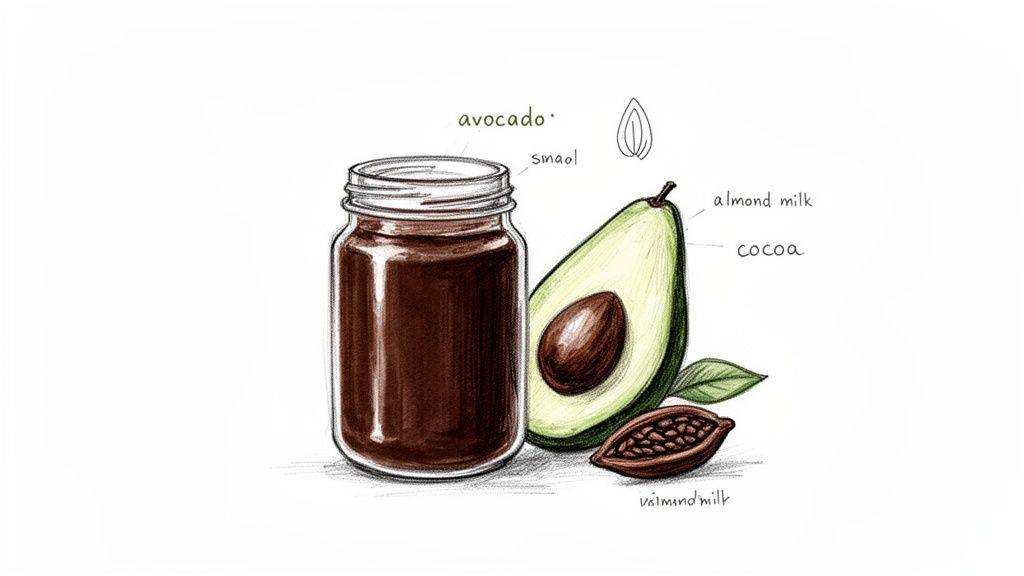
The Chocolate Avocado Wellness Shake has gained popularity within the clean eating movement for its incredible creaminess and nutrient density. This blend is one of the most satisfying plant-forward protein shakes recipes, combining rich cocoa with healthy fats from avocado. This shake delivers a complete protein source, heart-healthy monounsaturated fats, and beneficial polyphenols from cocoa powder.
Why It Works for Wellness
The health benefits of this shake are rooted in its unique ingredients. Avocados are rich in monounsaturated fatty acids, which studies in the Journal of the American Heart Association have linked to improved cardiovascular health profiles. These fats also increase satiety. Cocoa is a potent source of flavanols, antioxidants that research suggests can improve blood flow and reduce inflammation. This combination makes it a nutrient-dense shake that supports overall wellness without a significant glycemic impact.
Example Recipe:
- Ingredients: 1 scoop chocolate protein powder (25g), 1/2 avocado (60g), 2 tbsp unsweetened cocoa powder (12g), 250ml almond milk.
- Approximate Macros: ~290 calories, 28g protein, 22g carbs, 12g fat.
Customization and Pro Tips
- Sugar Control: Use unsweetened cocoa powder to manage sugar intake effectively. If you need more sweetness, add 5-10 grams of stevia or another zero-calorie sweetener.
- Prevent Oxidation: Cut the avocado right before blending to prevent it from browning and developing a bitter taste. For best results, consume the shake within two hours.
- Accurate Logging: To log your portion precisely in the BiteKit app, use the photo logging feature. It can accurately estimate the calories and macros from an image of your half avocado, which often vary in size.
5. Cottage Cheese & Pineapple Recovery Shake
This Cottage Cheese & Pineapple Recovery Shake is a powerful, yet often overlooked, option in the world of protein shakes recipes. It moves beyond standard powders by using cottage cheese as its protein foundation, which is rich in slow-digesting casein. This is combined with Greek yogurt for an extra protein boost and pineapple, a fruit containing the enzyme bromelain. This unique blend supports sustained muscle recovery, making it a favorite among bodybuilders and athletic recovery coaches.
Why It Works for Recovery
The dual-protein source is key. Whey from Greek yogurt offers rapid amino acid delivery, while the casein from cottage cheese provides a slow, steady release. A study in Medicine and Science in Sports and Exercise found that consuming casein before sleep boosts overnight muscle protein synthesis. This makes the shake ideal for both post-workout recovery and as a pre-bedtime meal. Furthermore, clinical trials have suggested that bromelain, the enzyme in pineapple, may help reduce exercise-induced muscle damage and inflammation.
Example Recipe:
- Ingredients: 150g low-fat cottage cheese, 150g frozen pineapple chunks, 100g plain Greek yogurt, 100ml milk.
- Approximate Macros: ~310 calories, 38g protein, 22g carbs, 4g fat.
Customization and Pro Tips
- Smooth Consistency: To avoid a grainy texture from the cottage cheese, blend the ingredients for a full 60 seconds until completely smooth.
- Flavor Boost: A splash of vanilla extract can enhance the flavor profile without adding any calories.
- Accurate Logging: For precise tracking in the BiteKit app, use the photo feature to create a visual reference for your cottage cheese portions, ensuring consistent logging over time.
6. Green Smoothie Protein Bowl
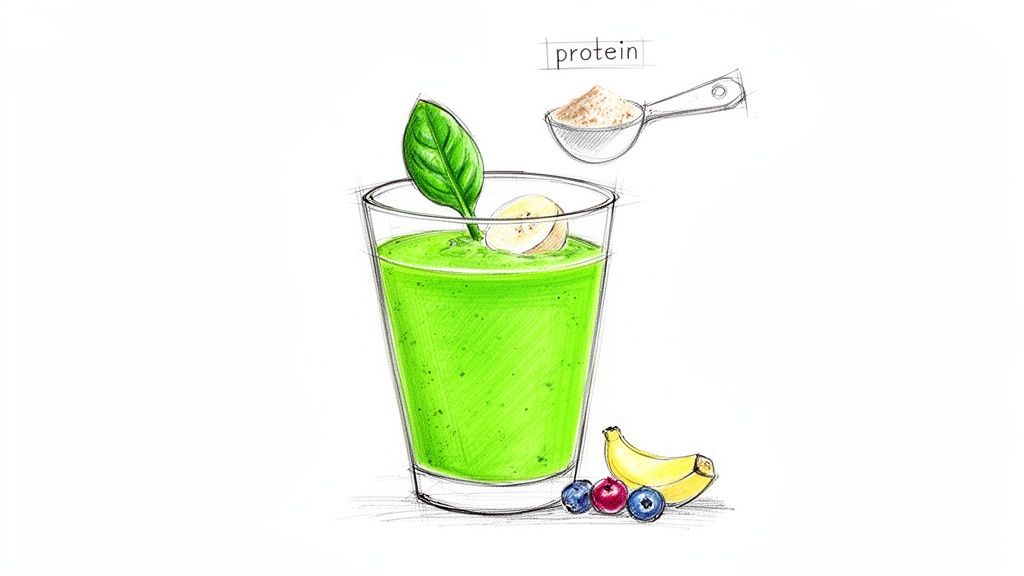
The Green Smoothie Protein Bowl is a powerhouse of micronutrients, making it one of the most nutrient-dense protein shakes recipes available. It blends leafy greens like spinach or kale with protein powder, fruit, and plant-based milk. This combination delivers a substantial dose of vitamins, minerals, and fiber while maintaining balanced macros ideal for both weight management and overall wellness.
Why It Works for Nutrient Optimization
This blend's strength lies in its micronutrient density. Leafy greens like spinach are rich in nitrates, which research in Acta Physiologica suggests can improve mitochondrial efficiency and exercise performance. The high fiber content from the greens and fruit promotes digestive regularity and enhances satiety, a key component of successful weight management strategies. Consuming a diverse array of vitamins and minerals from whole foods supports numerous metabolic and immune functions. You can learn more about how to incorporate these types of blends into your diet by exploring fruit smoothies for weight loss.
Example Recipe:
- Ingredients: 2 cups raw spinach, 1 scoop vanilla protein powder, 1 small banana, 150g mixed berries, 250ml (about 1 cup) oat milk.
- Approximate Macros: ~280 calories, 28g protein, 35g carbs, 3g fat.
Customization and Pro Tips
- Smooth Consistency: Blend the leafy greens and liquid first until completely smooth. Then, add the protein powder, fruit, and other ingredients to prevent a gritty texture.
- Mask the Greens: If you're new to green smoothies, add a teaspoon of honey or a few dates. The natural sweetness effectively masks any bitter taste from the kale or spinach.
- Accurate Logging: In the BiteKit app, log spinach as "2 cups raw" to capture its micronutrients accurately. The caloric impact is minimal, but logging it correctly helps track your vitamin intake.
7. Collagen & Coffee Protein Shake
This functional recipe combines the muscle-building power of protein with the joint and skin benefits of collagen peptides, all delivered with a caffeine kick. The Collagen & Coffee Protein Shake is a popular morning choice among busy professionals and individuals over 35 who want to support both their fitness goals and long-term joint and skin health. This blend offers a convenient, multi-benefit start to the day.
Why It Works for Recovery
This shake supports the body's entire structural matrix. While whey provides leucine for muscle synthesis, collagen peptides deliver glycine and proline—amino acids crucial for connective tissue health. A study in the American Journal of Clinical Nutrition found that vitamin C-enriched collagen supplementation before exercise accelerates collagen synthesis, potentially aiding tendon repair and preventing injury. The caffeine from coffee is a well-documented ergogenic aid that improves performance and alertness.
Example Recipe:
- Ingredients: 1 scoop vanilla whey protein (25g), 1 scoop unflavored collagen peptides (10g), 250ml (about 1 cup) cold brew coffee, 150ml (about 2/3 cup) unsweetened almond milk.
- Approximate Macros: ~200 calories, 35g protein, 8g carbs, 2g fat.
Customization and Pro Tips
- Sustained Energy: Add 1 tablespoon of MCT oil to provide an additional 120 calories from fat, promoting mental clarity and lasting energy. This is a common practice in the biohacking community.
- Convenient Prep: For a smooth, less acidic coffee base that blends seamlessly, consider learning How to Make Cold Brew Coffee at home. Prepare a batch the night before for a quick morning routine.
- Quick Logging: When tracking in the BiteKit app, use the voice logging feature to quickly input "cold brew coffee, 250ml" and your other ingredients for fast, accurate macro counting.
8. Vegan Protein Power Shake (Pea & Hemp)
This Vegan Protein Power Shake offers a complete amino acid profile, a common concern for those on plant-based diets. It combines pea protein isolate with hemp seeds, creating a synergistic blend that supports muscle growth and repair. Popularized by vegan athletes and bodybuilders, this recipe delivers high-quality protein and healthy fats, making it one of the most effective plant-based protein shakes recipes available.
Why It Works for Recovery
Combining plant proteins is a scientifically-backed strategy to create a complete protein source. Pea protein is high in lysine but lower in methionine, while hemp protein is rich in methionine. Together, they provide an amino acid profile comparable to whey. Research in the Journal of the International Society of Sports Nutrition showed that pea protein isolate can produce similar gains in muscle thickness as whey protein. Hemp seeds also provide an optimal ratio of omega-6 to omega-3 fatty acids, which have anti-inflammatory properties beneficial for recovery.
Example Recipe:
- Ingredients: 1 scoop (25g) pea protein powder, 2 tbsp hemp seeds, 1 medium banana, 250ml (about 1 cup) unsweetened oat milk.
- Approximate Macros: ~310 calories, 35g protein, 32g carbs, 8g fat.
Customization and Pro Tips
- Flavor Masking: The earthy taste of pea protein can be strong. Blending it thoroughly with a ripe banana and a few drops of vanilla extract effectively masks any undesirable flavors.
- Control Your Carbs: Always opt for unsweetened plant milk, like oat or almond milk, to keep sugar and carbohydrate counts low and predictable.
- Accurate Logging: In the BiteKit app, use the photo feature to log ingredients like hemp seeds. Remember that volume can be deceiving; 2 tablespoons of hemp seeds weigh about 32 grams, so weighing them provides the most accurate macro data.
9. High-Protein Tiramisu Shake (Mascarpone Alternative)
This dessert-style protein shake recipe offers the rich, decadent flavors of tiramisu without the high fat and sugar content. By swapping traditional mascarpone for protein-rich Greek yogurt, this blend satisfies sweet cravings while delivering a substantial protein hit. It combines whey protein, coffee, and cocoa to create a sophisticated flavor profile perfect for a post-dinner treat or a satisfying afternoon snack.
Why It Works for Cravings
This shake is a strategic tool for managing cravings, a key factor in long-term diet adherence. The high protein content from whey and Greek yogurt significantly increases satiety, as established by numerous nutritional studies. This feeling of fullness helps prevent unhealthy, late-night snacking. Furthermore, satisfying a craving with a high-protein, low-sugar alternative can improve psychological well-being and dietary compliance without causing the large insulin spikes associated with traditional desserts.
Example Recipe:
- Ingredients: 1 scoop vanilla or chocolate whey protein, 150g plain Greek yogurt, 1 tbsp unsweetened cocoa powder, 1 tsp instant coffee, 150ml (about 2/3 cup) unsweetened almond milk.
- Approximate Macros: ~280 calories, 30g protein, 15g carbs, 3g fat.
Customization and Pro Tips
- Coffee Kick: For a smoother blend, dissolve the instant coffee in 30ml of hot water first. Let it cool before adding it to the blender to avoid clumping.
- Sweetness Control: Add 5g of a zero-calorie sweetener like monk fruit or stevia for authentic dessert sweetness without adding sugar or calories.
- Accurate Logging: When logging in the BiteKit app, be specific with your cocoa powder entry. Logging "1 tablespoon unsweetened" accurately captures its carbohydrate and calorie contribution, which is crucial for macro-focused diets.
10. Tropical Island Recovery Shake (Mango, Coconut, Protein)
The Tropical Island Recovery Shake offers a refreshing alternative to standard protein shakes recipes, making it perfect for post-workout nutrition, especially after training in hot weather. This blend combines fast-digesting whey protein with a mix of simple and complex carbohydrates from mango and orange juice. The addition of lite coconut milk provides a creamy texture and electrolytes, creating a flavor profile that feels more like a treat than a recovery supplement.
Why It Works for Recovery
Effective post-exercise recovery involves rehydration, glycogen replenishment, and muscle repair. This shake addresses all three. The combination of glucose and fructose from the fruits rapidly restores muscle glycogen. A study in the Journal of Applied Physiology found that co-ingesting glucose and fructose can enhance post-exercise liver glycogen re-synthesis. Tropical fruits like mango and coconut water are natural sources of electrolytes, particularly potassium, which is essential for rehydration and muscle function after being lost through sweat.
Example Recipe:
- Ingredients: 1 scoop whey protein (25g), 150g fresh mango, 100ml lite coconut milk, 100ml orange juice, 100ml water.
- Approximate Macros: ~310 calories, 28g protein, 38g carbs, 4g fat.
Customization and Pro Tips
- Thicker and Colder: Use frozen mango chunks instead of fresh. This provides a consistently thick, slushie-like texture without diluting the shake with ice and ensures your mango doesn't spoil.
- Electrolyte Focus: For a lower-calorie, electrolyte-rich version, substitute the orange juice with an equal amount of coconut water. This reduces the total sugar content while boosting hydration.
- Carb Control: If you are managing your carbohydrate intake, reduce the orange juice to 50ml or omit it entirely. Mango provides enough natural sweetness and carbs for effective recovery.
- Accurate Logging: When tracking in the BiteKit app, use the photo feature to log your mango. Since fruit sizes vary, the app’s portion-sensitive recognition will provide a more precise calorie count (~60 calories per 100g).
Top 10 Protein Shake Recipes Comparison
| Shake | Implementation Complexity | Resource Requirements | Expected Outcomes | Ideal Use Cases | Key Advantages |
|---|---|---|---|---|---|
| Classic Whey Protein & Banana Shake | Very low — simple mix/blend | Basic pantry items: whey, banana, milk, shaker | Rapid protein delivery, quick recovery | Post-workout, breakfast replacement, muscle building | Easy to track, cost-effective, fast absorption |
| Greek Yogurt & Berries Power Shake | Low — straightforward blending | Greek yogurt, berries (fresh/frozen), plant or dairy milk | High satiety, probiotics, antioxidant intake | Weight loss, filling meal replacement, breakfast | Micronutrient-rich, supports fullness and gut health |
| Peanut Butter & Oats Muscle Building Shake | Low–medium — thicker blend, prep oats | Peanut butter, oats, protein powder, milk — calorie-dense | Calorie surplus, sustained energy, long satiety | Muscle gain, strength athletes, calorie surplus days | High calories/protein, filling, customizable density |
| Chocolate Avocado Wellness Shake | Low — simple blending, fresh produce sensitive | Avocado, cocoa, protein, almond milk — perishable fruit | Healthy fats, antioxidants, nutrient-dense fullness | Wellness goals, plant-forward diets, heart health | Vegan/dairy-free option, creamy texture, anti-inflammatory |
| Cottage Cheese & Pineapple Recovery Shake | Medium — requires thorough blending to smooth texture | Cottage cheese, pineapple, Greek yogurt, milk — perishable | Sustained amino acid release (casein+), reduced soreness | Nighttime recovery, post-workout muscle repair | Very high protein, casein slow-release, anti-inflammatory enzyme |
| Green Smoothie Protein Bowl | Medium — multiple ingredients to balance taste | Leafy greens, protein powder, fruit, plant milk — varied produce | High micronutrient and fiber intake, low calorie density | Nutrient optimization, weight loss, breakfast | Comprehensive vitamins/minerals, high volume, filling |
| Collagen & Coffee Protein Shake | Low — simple mix, coffee prep | Collagen peptides, cold brew, protein powder, almond milk — specialty supplement | Joint and skin support, sustained energy from caffeine | Busy professionals, anti-aging focus, morning energy | Supports collagen synthesis, energizing without sugar crash |
| Vegan Protein Power Shake (Pea & Hemp) | Low — standard blending, taste management | Pea protein, hemp seeds, banana, plant milk — sometimes pricier | Complete plant protein, omega-3 intake, digestibility | Vegan/vegetarian athletes, sustainability-focused users | Vegan-friendly complete protein, omega-3s, hypoallergenic |
| High-Protein Tiramisu Shake (Mascarpone Alternative) | Medium — flavor layering and mixing for balance | Greek yogurt, whey, cocoa, instant coffee, almond milk | Dessert satisfaction with high protein and moderate calories | Dessert replacement, post-dinner satiation, weight-loss plans | Indulgent flavor with macro control, prevents cravings |
| Tropical Island Recovery Shake (Mango, Coconut, Protein) | Low — simple fruit blend | Mango, lite coconut milk, whey, orange juice — seasonal fruit | Fast glycogen replenishment, electrolytes, hydration | Post-workout in hot climates, carb-refeed days, summer training | Refreshing, hydrating, natural electrolytes and vitamin C |
Integrating Your Perfect Shake Into a Winning Nutrition Strategy
You now have a full menu of ten diverse, nutrient-packed protein shakes recipes designed to support your unique fitness and wellness objectives. From the muscle-building power of the Peanut Butter & Oats Shake to the refreshing recovery benefits of the Tropical Island blend, these recipes offer far more than just a quick protein fix. They represent a strategic approach to nutrition, where every ingredient serves a purpose.
The journey from simply knowing these recipes to achieving your goals hinges on two critical factors: consistency and accuracy. Consuming a high-protein shake is beneficial, but consistently hitting your specific daily macronutrient targets is what drives real, measurable progress. This is where many well-intentioned fitness plans falter. The daily chore of manually logging meals, calculating macros for every custom shake, and tracking progress can become tedious and inexact.
From Recipe to Routine: Making It Stick
The true value of these protein shakes recipes is unlocked when they become a seamless part of your daily life. To achieve this, your tracking method must be as effortless as your blending process. An imprecise or time-consuming logging system can sabotage your efforts, leading to inaccurate data and waning motivation.
Consider the practical application:
- Morning Rush: You quickly blend the Collagen & Coffee Protein Shake. Instead of manually entering ingredients, you need a way to log it in seconds.
- Post-Workout: After a tough session, you make the Cottage Cheese & Pineapple Recovery Shake but add a handful of spinach. Your tracking should instantly account for this small but important modification.
- Meal Prep: You prepare three days' worth of the Vegan Protein Power Shake. Accurately logging this in advance helps you plan the rest of your week's meals with confidence.
The Power of Effortless, Accurate Tracking
This is where a dedicated nutrition tracking tool, especially one with modern features, can make all the difference. Imagine simply taking a photo of your Chocolate Avocado Wellness Shake. An AI-powered app like BiteKit can analyze the image, identify the ingredients and their volumes, and provide an immediate, accurate breakdown of calories, protein, carbs, and fats.
Key Takeaway: The less friction there is between making your meal and logging it, the more likely you are to stay consistent. Effortless tracking is the bridge between a good recipe and a great result.
By removing the manual data entry, you are no longer just guessing. You are collecting precise data that empowers you to make informed decisions. You can look at your weekly trends, see how your energy levels correlate with your protein intake, and adjust your next shake with scientific precision, not just guesswork. For busy professionals, fitness beginners, and anyone targeting specific weight loss or muscle gain goals, this level of accuracy is the key to sustained success.
These protein shakes recipes are your new nutritional toolkit. By pairing them with smart, simple tracking, you transform them from one-off meals into a cornerstone of a winning, long-term health strategy. Start blending, start tracking, and get ready to see the powerful results of your consistency.