Hot Cheetos Calories: A Complete Nutrition Guide for 2026
Hot cheetos calories - Curious about Hot Cheetos calories? Our guide breaks down macros, serving sizes, and sodium for all varieties. Learn to track them
You open a bag for “just a few,” then look down and realize most of it is gone. That’s usually the primary question behind hot cheetos calories. Not “What’s on the label?” but “What did I eat?”
That difference holds more significance than commonly assumed. With Flamin’ Hot Cheetos, the label can look manageable at first glance, yet actual intake shifts rapidly when a snack turns into a full bag, a car ride habit, or a desk-side handful that keeps repeating. For anyone trying to lose weight, hit macros, or alleviate confusion from snack foods, practical nutrition becomes essential.
Hot Cheetos can fit into a healthy diet. The catch is that you need to track the amount you eat, not the amount the package suggests in theory.
The Hot Cheetos Nutrition Label Decoded
Start with the part of the label that gets missed most often. Serving size for Cheetos Crunchy Flamin' Hot is 21 pieces or 1 oz (28g). On that portion, the label lists 150 calories.
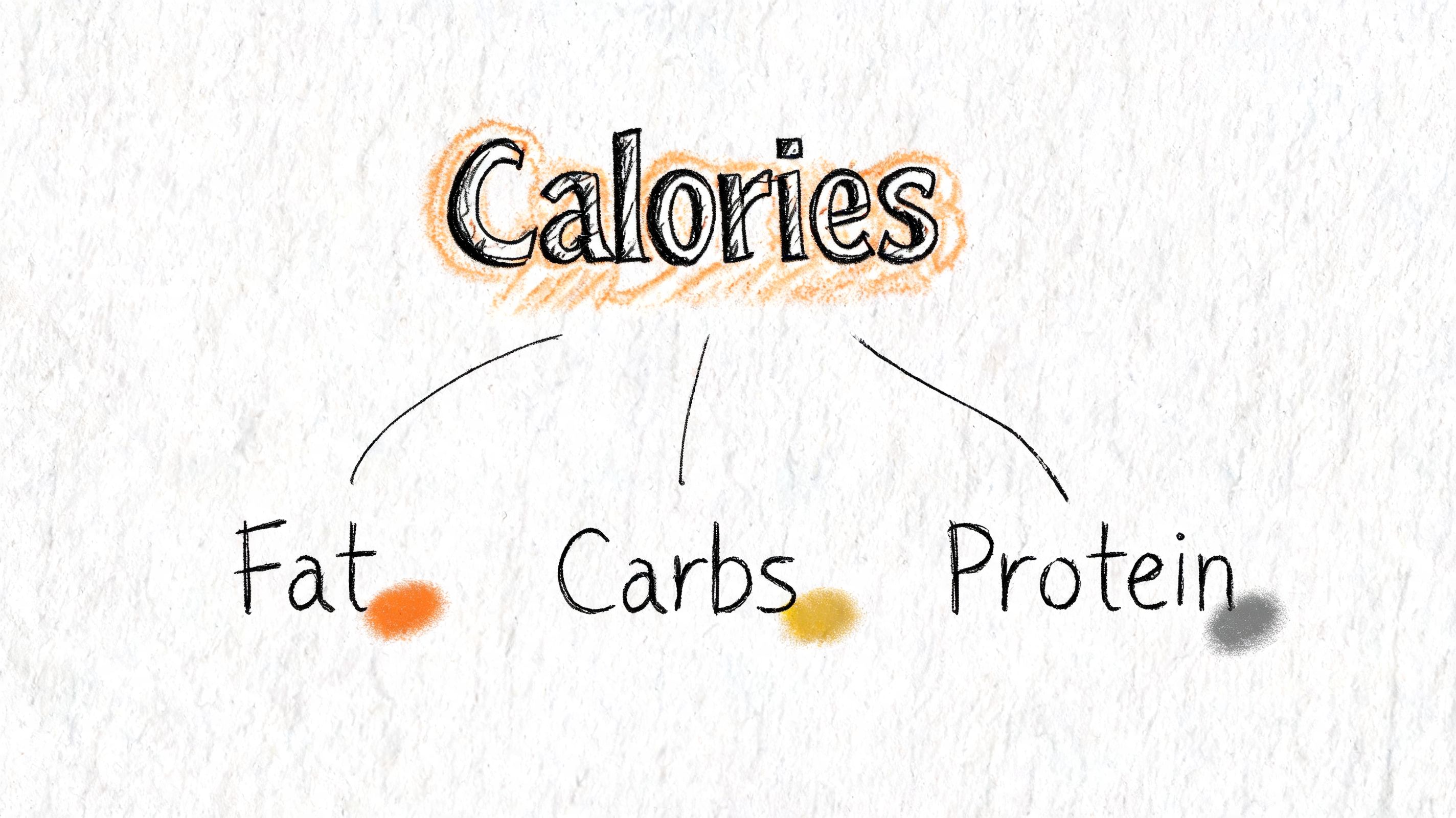
What those numbers mean
Calories tell you how much energy is packed into the serving. The rest of the label explains how that serving is built. For Flamin' Hot Cheetos, a typical serving is driven mostly by fat and carbs, with very little protein. In practice, that usually means strong flavor and easy snacking, but less staying power than a snack with more protein or fiber.
That trade-off is the point.
A serving like this can fit into a balanced diet. It just helps to log it accurately and recognize what you are getting. You are not buying much fullness. You are buying crunch, heat, and convenience.
The label also shows low protein and fiber, along with a meaningful amount of sodium for a small portion. That combination is common in highly palatable snack foods. They are easy to keep eating because the portion is small, the texture is light, and the flavor is intense.
Practical rule: Treat Hot Cheetos as a planned snack food, not a hunger-fixing food. If you want them, portion them first and pair them with something more filling if you need the snack to hold you over.
If label reading still feels inconsistent, use a simple framework and repeat it on every package: check serving size first, then calories, then protein, fiber, fat, and sodium. This guide on how to read nutrition labels is a useful refresher, especially for people who log calories but forget to compare the serving size with what they are likely to eat.
The Serving Size Trap Why You Eat More Than You Think
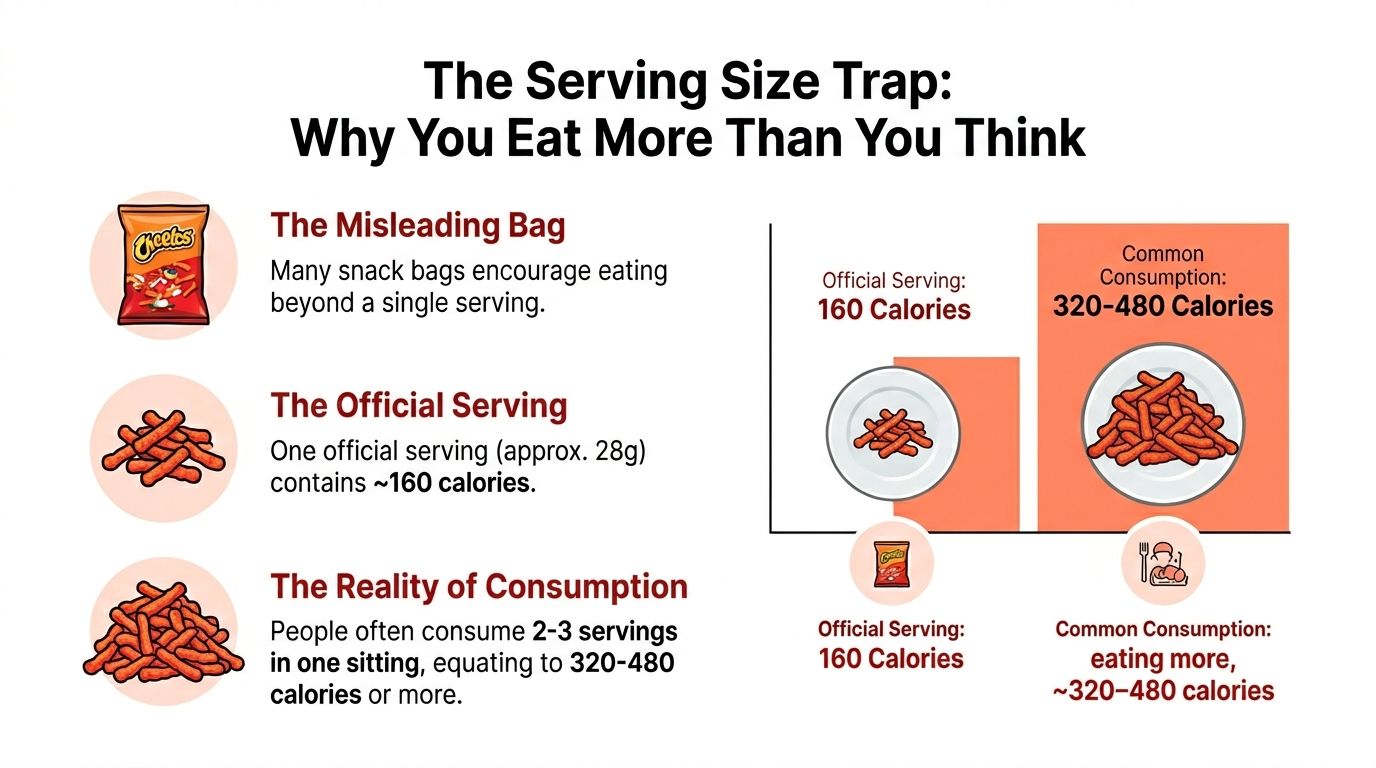
The biggest mistake people make with hot cheetos calories isn’t misunderstanding calories. It’s assuming one bag equals one serving.
That’s rarely how these products are structured. A serving is a measured amount. A package is a container. Those two things often don't match, and with snack foods that gap can be large enough to throw off your day.
The bag is not the serving
A common 3.25 oz package contains 3.5 servings, and eating the whole bag adds up to about 640 calories and 44g of fat, based on QFC’s product listing for Cheetos Flamin’ Hot Crunchy Cheese Snacks.
That’s the number many people miss.
Someone checks the front or glances at the serving line and mentally logs “about one snack.” But if the whole bag disappears during a movie, commute, or afternoon slump, the total entry is much larger than expected. This is why snack tracking often feels “unfair.” The label wasn’t lying. It just described a portion many people don’t consistently stop at.
What works better than guessing
A small handful can look harmless. The problem is that spicy, highly palatable snacks don’t give clear stopping cues. By the time you think you’ve had “some,” you may have had a lot more than one official portion.
What helps in practice:
- Pour before eating. If you eat from a bowl, you at least create a visible boundary.
- Track the package, not your intention. If you opened a multi-serving bag and finished it, log the full amount.
- Use visual tools when you can’t weigh. A shared bowl, a gas-station bag, or leftovers from someone else’s snack stash are hard to estimate manually.
If you’re trying to get better at eyeballing portions, a portion size calculator can help you build a more realistic sense of what a serving looks like before you rely on memory.
The moment that changes progress for most people isn’t learning the calories per serving. It’s realizing how often they eat multiple servings without noticing.
A Guide to Popular Hot Cheetos Varieties
Once you understand the classic Crunchy version, the next useful question is whether other Flamin’ Hot varieties are meaningfully different. In most cases, the answer is no. Across major labels, they stay in a similar range.
According to FoodsCo’s product listing for Flamin’ Hot Cheetos, major 2020s labels show a consistent base of around 160 calories per 28g serving, with 11g fat, 15g carbs, and 210mg sodium, though minor variations can exist across types like Puffs or Limón.
Hot Cheetos nutritional comparison per 28g serving
| Variety | Calories | Total Fat (g) | Sodium (mg) | Carbs (g) |
|---|---|---|---|---|
| Crunchy Flamin’ Hot | around 160 | 11 | 210 | 15 |
| Flamin’ Hot Puffs | around 160 | 11 | 210 | 15 |
| Flamin’ Hot Limón | around 160 | 11 | 210 | 15 |
| XXTRA Flamin’ Hot | around 160 | 11 | 210 | 15 |
How to use that table in real life
The practical takeaway isn’t that every variety is identical. It’s that switching flavors usually won’t create a major calorie advantage. If you choose one over another, do it because you enjoy the texture or heat level more, not because you expect a dramatically lighter snack.
That’s useful in the grocery aisle. People often spend energy hunting for a “better” version when the bigger lever is portion size. Flavor choice matters less than whether you stop at a measured amount or finish the bag.
Beyond Calories The Hidden Costs of Sodium and Fat
Calories matter for weight change. They aren’t the only thing worth noticing.
For a standard serving, label data commonly shows 11g total fat, including 1.5g saturated fat, and 210mg sodium, with that sodium listed as 9% daily value on a 2,000-calorie diet in the verified nutrition data above. H-E-B also reports a slightly different label in some cases, with 250mg sodium, which is a reminder that minor formulation differences can happen.
Why this matters for day-to-day eating
Flamin’ Hot Cheetos don’t contribute much in the way of protein, fiber, or broad micronutrition. That doesn’t make them “bad.” It does mean they’re better treated as a discretionary snack than as something you depend on to keep you full or nutritionally balanced.
If you already eat a diet with a lot of packaged foods, sauces, takeout, deli meats, or restaurant meals, sodium can add up unnoticed across the day. The same goes for saturated fat. A single snack serving may fit your plan, but repeated servings plus the rest of a typical day can crowd out better choices.
A smarter way to frame it
Use Hot Cheetos as a flavor-first food, not a hunger-management food.
That usually looks like this:
- Pair them with something filling. Add a more balanced meal or snack alongside them instead of expecting them to hold you over.
- Watch the context. Eating them while driving, working, or scrolling makes portion awareness worse.
- Keep the trade-off explicit. If you want them, enjoy them, then balance the rest of the day with foods that bring more protein, fiber, and produce.
A snack can fit your calories and still be a weak choice for fullness. Those are two different questions, and both matter.
How Hot Cheetos Stack Up Against Other Snacks
A common tracking mistake looks small on paper and big in real life. Someone compares Hot Cheetos to another snack by the label serving, then eats the full bag. The more useful comparison is the amount people finish, not the neat 28-gram line on the package.
As noted earlier, Hot Cheetos are fairly calorie-dense for the amount of physical volume they give you. A small pile can carry more calories than people expect, which is why they often feel “light” while still taking a noticeable bite out of a calorie budget.
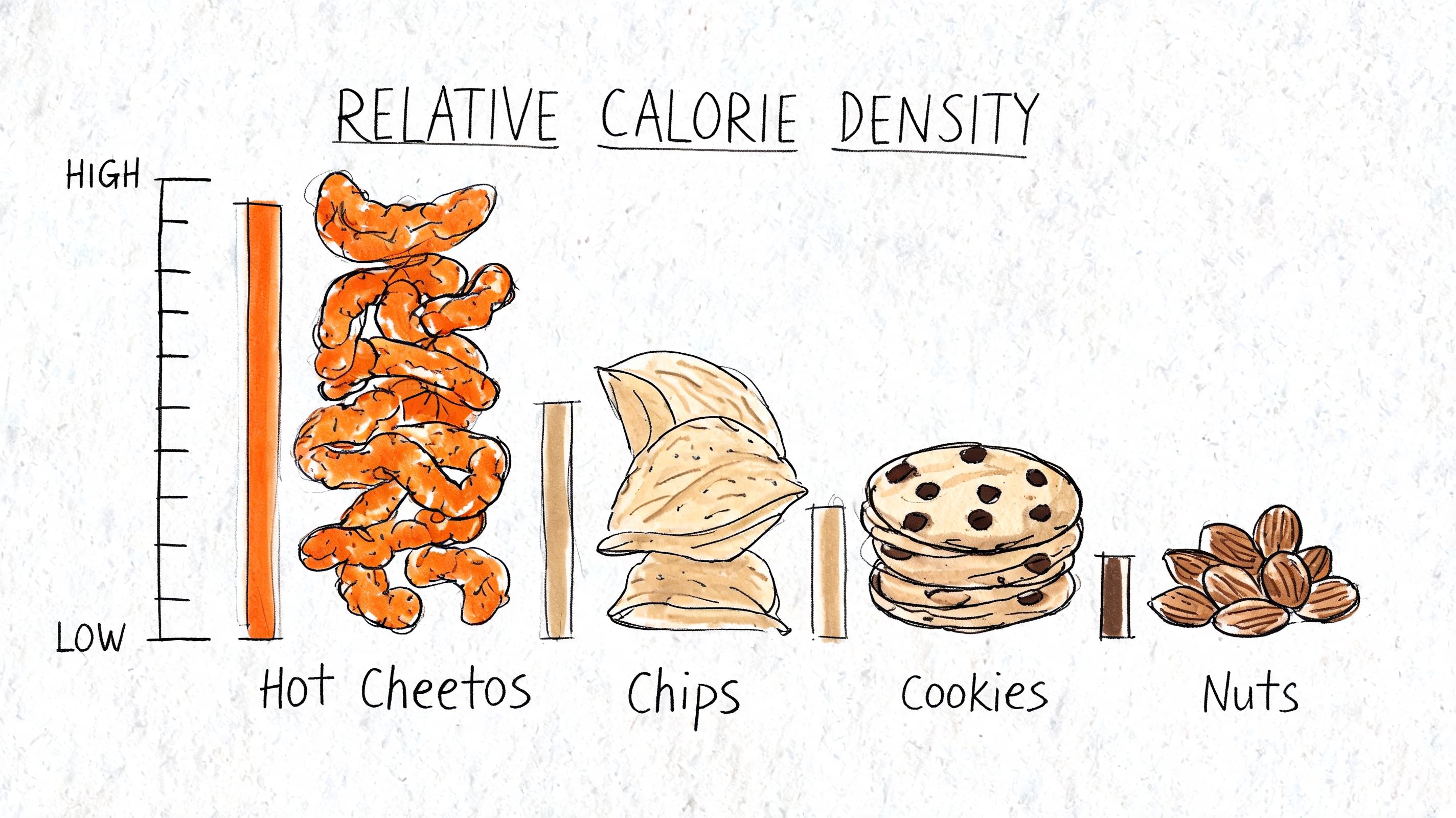
That puts them in a familiar category with other easy-to-overeat snacks such as chips, crackers, and cookies. Nuts can be just as calorie-dense or higher, but they usually bring more protein and staying power. Air-popped popcorn, roasted edamame, Greek yogurt, or jerky tend to give people a better fullness return per calorie, especially if the goal is to avoid circling back for a second snack an hour later.
The practical question is not whether Hot Cheetos are “worse” than every other snack. It is whether they fit the job. If the job is craving satisfaction, they do that well. If the job is fullness, steady energy, or easier calorie control, other snacks usually perform better.
I coach clients to compare snacks on three points:
- Craving payoff: does it satisfy the flavor you want?
- Fullness per serving: will it hold you, or just start a grazing cycle?
- Realistic portion control: are you likely to stop at one serving, or finish the package?
Hot Cheetos usually score high on craving payoff and lower on fullness and control. That trade-off is manageable if you plan for it. Logging the full package when you eat the full package is more accurate than pretending the label serving is what happened. If you want help estimating portions from what is in front of you, a photo calorie counter for real-world snack tracking is more useful than guessing after the bag is gone.
If you want alternatives that still feel snacky, spicy, or savory, it helps to widen the pool beyond standard chips. This roundup of best vegan snack brands is useful if you want more options with different textures and nutrition trade-offs.
Effortless Tracking for Smart Snacking
A common tracking mistake happens after the bag is empty. Someone remembers eating “about a serving” of Hot Cheetos, logs 170 calories, and moves on. In real life, that snack may have been half the bag, the whole small bag, or several handfuls from a larger one. The problem is rarely math. It is matching the label serving to the amount that was really eaten.
Manual logging gets messy fast. A few bites from a coworker’s bag, a party bowl, or a partly finished package with no label in sight can all turn into rough guesses. Add in conflicting database entries, and people stop trusting the process.
What accurate tracking looks like in practice
Use a simple workflow that starts with the package, not the serving fantasy on the label.
- Log the package size first. If you ate a 1-ounce bag, track the bag. If you ate half of a larger bag, log half the package, not “1 serving” unless those are the same thing.
- Estimate from what was in front of you. A few pieces, half a bowl, and a full convenience-store bag are different calorie totals. Treat them that way.
- Pick one logging method and stick with it. Switching between random database entries creates avoidable error.
- Adjust for distracted eating. If you were driving, working, or watching a game, your first estimate is usually low. Build in that correction.
That package-first approach is what closes the gap between official serving size and realistic intake.
Why low-friction logging matters
Tracking falls apart when it takes too many steps. People do not need more nutrition theory in that moment. They need a fast way to capture what they ate before the details fade.
Photo-based logging helps because it starts with the food in front of you, not a search bar. A good photo calorie counter for real-world snack tracking can estimate portions from an image, which is far more useful for open bags, shared snacks, and mixed portions than trying to reverse-engineer the label afterward. BiteKit is especially helpful here because snacks like Hot Cheetos are not hard to identify. The hard part is portion drift, and that is exactly what visual logging helps catch.
For readers who also use time-restricted eating, the Pretty Progress fasting tool can help you check whether a planned snack fits your eating window before you open the bag. That will not change the calories, but it can reduce the unplanned snacking that makes tracking less accurate.
Conclusion Enjoy Your Snacks Without the Guilt
Hot Cheetos don’t derail progress by themselves. What causes problems is the mismatch between the label serving and the amount people really eat.
If you remember one thing, make it this: the official number only helps when it matches your actual portion. Once you start thinking in real servings instead of theoretical ones, hot cheetos calories become much easier to manage. You stop treating the food as “bad” and start treating it as a choice with a clear cost.
That’s a healthier mindset. It leaves room for cravings, social eating, convenience, and enjoyment. It also protects your goals because you’re making decisions with open eyes.
Eat them if you want them. Portion them on purpose. Track the whole bag when that’s what happened. Then move on without guilt.
If you want tracking to feel less like homework, BiteKit makes it easier to log snacks, meals, and mixed foods with photos, voice, or simple text. That’s especially helpful for foods like Hot Cheetos, where portion size is the main challenge.